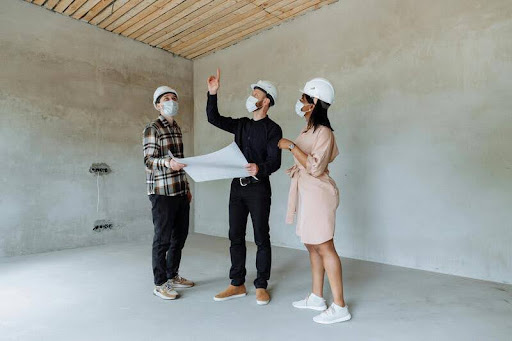
Efficient commercial property management starts with strong foundations—both literally and operationally.
So, you’ve got a commercial property, or you’re thinking about managing one. Maybe it’s a small office building, a few retail spaces, or a mixed-use setup. Whatever it is, here’s the truth: running commercial real estate efficiently takes more than collecting rent and calling a plumber when the toilet clogs.
It takes systems, clear communication, a bit of tech-savviness, and a whole lot of planning. But don’t worry, you don’t need to be a real estate mogul to get it right. This guide breaks it all down into clear, manageable steps.
Let’s dive in.
What does it mean to manage commercial property efficiently?
Efficient commercial property management means keeping everything running smoothly, tenants happy, bills paid, repairs done on time, and revenue flowing in without unnecessary hiccups. It’s about staying proactive instead of constantly putting out fires.
When your property’s well managed, tenants stick around longer, maintenance costs stay low, and your investment becomes a whole lot less stressful.
How do you set smart goals for your property?
Start by deciding what “success” looks like for you. Is it full occupancy? Steady cash flow? Fewer maintenance calls?
Setting clear goals helps you stay focused. Maybe you want to reduce tenant turnover by 20% this year or lower repair costs by doing more preventive maintenance. Whatever your targets are, write them down and revisit them regularly.
Use key performance indicators (KPIs) like:
- Occupancy rate
- Net operating income (NOI)
- Maintenance costs per square foot
- Rent collection rate
These metrics keep you grounded in facts, not guesswork.
What’s the best way to keep tenants happy (and paying)?
Communication. Simple as that.
Tenants want to feel heard. When something breaks, they want to know someone’s on it. When a lease renewal is coming up, they want clarity, not confusion or surprise rent hikes.
Here are a few ways to build strong relationships:
- Respond to issues quickly (preferably within 24 hours)
- Keep lease terms transparent and easy to understand
- Check in periodically, don’t wait until there’s a problem
A tenant who feels respected and supported is way more likely to stick around. And long-term tenants? That’s gold.
How do you handle maintenance without getting overwhelmed?
Maintenance can eat up time and money, especially when you’re reacting instead of creating a calendar of routine checks:
- HVAC systems (every season)
- Plumbing (annually)
- Roof and gutters (twice a year)
- Fire safety systems (quarterly)
Use property management software to set reminders and track service history. Not only will this save you from surprise breakdowns, but it also helps extend the life of major systems and avoid costly emergencies.
How do you stay on top of your property’s financial health?
Numbers don’t lie, so track them closely.
Use spreadsheets, accounting tools, or property management platforms to monitor:
- Rent collection
- Utility expenses
- Property taxes
- Maintenance costs
- Vendor payments
Compare monthly and yearly performance to spot trends. Is your energy bill spiking? Is a tenant consistently late on rent? Are repair costs creeping up?
Stay proactive. Adjust your budget, renegotiate contracts, or offer incentives to prompt on-time payments. Think of it like regular health checkups. But for your building.
What laws and regulations should you be paying attention to?
Let’s be real: legal stuff isn’t fun, but it’s critical.
You need to comply with:
- Local zoning laws
- Americans with Disabilities Act (ADA) standards
- Safety codes and fire regulations
- Environmental rules
- Lease agreement laws (at the state level)
Failing to follow the rules can lead to fines or lawsuits. Not fun.
Stay updated by checking with your local building department or consulting a property attorney once a year. Set a calendar reminder to do a quick legal audit; it could save you serious money and headaches down the line.
What tech tools can make property management easier?
We live in a digital world, so we might as well make it work for you.
Here are a few tools that can seriously streamline your day-to-day:
- Property management software like AppFolio, Buildium, or TenantCloud
- Online rent payment platforms to reduce late payments
- Maintenance tracking systems that allow tenants to submit requests digitally
- Digital inspection checklists that simplify documentation
These tools can automate the boring stuff so you can focus on the big picture. Bonus: They also make your property look more professional to tenants.
How often should you inspect your commercial property?
Don’t wait until a tenant complains or a pipe bursts.
Regular property inspections help you catch small issues before they turn into budget-busting problems. Set up:
- Quarterly walk-throughs for common areas
- Semi-annual checks on HVAC, roof, and major systems
- Annual full-property inspections
planning. That’s why a solid preventive maintenance schedule is key. Document everything with photos and notes. This helps with insurance claims, tenant disputes, and long-term maintenance planning.
What’s the best way to manage vendors and contractors?
You’re only as good as the people you hire.
Whether it’s landscaping, cleaning, HVAC repair, or snow removal, vendor management matters. Here’s how to do it right:
- Get multiple bids before hiring
- Check licenses and insurance
- Keep clear contracts outlining responsibilities and deadlines
- Track performance over time
Use a vendor log to record contact info, costs, issues, and review dates. It’s like your personal accountability tracker.
How do you prepare for emergencies and unexpected risks?
Commercial property isn’t all smooth sailing. Fires, floods, power outages, or even a tenant going out of business can catch you off guard.
That’s why having a risk management plan matters:
- Make sure you have solid property insurance (review your policy annually)
- Create emergency procedures (and share them with tenants)
- Keep backups of important documents off-site or in the cloud
- Regularly test smoke alarms, exit signs, and fire suppression systems
Hope for the best, but plan for the worst. It’s not paranoia, it’s smart.
How often should you revisit your management strategy?
At least once a year.
Maybe your building needs more energy-efficient upgrades. Maybe your lease terms aren’t keeping up with the market. Maybe tenant expectations have changed (they probably have).
Set aside time to evaluate:
- What’s working?
- What’s costing too much?
- What do your tenants keep asking for?
Invite feedback, an anonymous tenant survey can uncover issues you didn’t know about. Use the insights to adjust, refine, and improve.
Efficient property management isn’t set-it-and-forget-it. It evolves.
Quick FAQ: Commercial Property Management Essentials
Q: What’s the best software for managing commercial property? A: AppFolio, Buildium, and TenantCloud are popular, user-friendly options for property owners managing multiple tenants or properties.
Q: How often should I raise rent on commercial tenants? A: Typically, once every 1–3 years, based on market trends and lease terms. Always give proper notice and keep increases reasonable to maintain relationships.
Q: Do I need a license to manage my commercial property? A: In most states, no license is needed to manage your property. However, managing for others usually requires a real estate license.
Q: What’s considered a good occupancy rate for commercial buildings?
A: Ideally, you should aim for a rate of 90% or above, though this can differ based on the location and type of property. In areas with high tenant turnover, lower rates may be acceptable.
Q: What are some ways to minimize tenant turnover? A: Effective communication, prompt responses to concerns, leasing options that offer flexibility, and maintaining the property in good condition are all crucial for keeping tenants.
Ready to Enhance Your Property Management Strategy?
If you’re in charge of a commercial property, keep this in mind: being efficient doesn’t mean skimping on quality; it’s about working smarter, staying organized, and establishing robust systems.
Take it step by step. You don’t have to achieve perfection; consistency is key. Whether it’s setting up automated rent payments, refining your lease agreements, or planning regular property inspections, incremental changes can lead to significant improvements.
About the Author