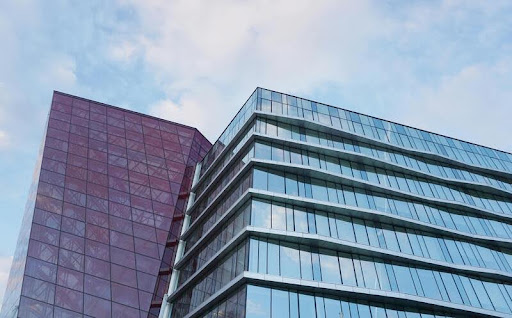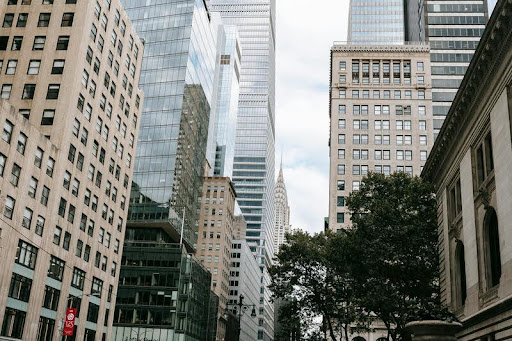
City skylines are evolving as commercial real estate adapts to 2025 trends in design, sustainability, and technology.
What is Commercial real estate in the U.S.? It isn’t what it used to be, and that’s not a bad thing. From hybrid workspaces to smarter buildings and more eco-conscious investments, 2025 is shaping up to be a year of realignment, innovation, and strategic thinking. Whether you’re an investor, a broker, or just curious about what’s going on in the market, it’s worth asking:
What’s happening in U.S. commercial real estate this year, and what should you be paying attention to?
Let’s break it down.
What types of commercial properties are in demand in 2025?
Multifamily, industrial, and mixed-use spaces are topping the list, while traditional offices are being reimagined.
Demand is shifting, and fast. Office buildings, once the crown jewel of commercial portfolios, are no longer the safe bet they used to be. Hybrid and remote work continue to reshape how companies think about space. In many cities, full floors of cubicles sit unused, prompting a wave of redesigns, downsizing, or full-on repurposing.
On the flip side, multifamily housing and industrial spaces are having a moment. People want more flexibility in where they live and work, and e-commerce is fueling a huge need for storage and logistics space. And mixed-use properties? They’re thriving because they meet modern needs, think retail, offices, and residential units all in one space.
How is technology transforming commercial real estate?
Proptech, smart buildings, and AI-driven tools are changing how properties are built, managed, and marketed.
Gone are the days when tech was just an add-on. Now, it’s baked into every part of commercial real estate, from building systems to lease management. Property technology (or proptech) is streamlining maintenance, reducing energy waste, and giving owners real-time data about how their buildings perform.
Smart buildings equipped with sensors, automation, and predictive analytics can adjust lighting, HVAC, and even security systems automatically. AI is also helping investors analyze deals, predict rental income, and reduce risk. If it sounds like something out of the future, it kind of is, but it’s already here in 2025.
Why is sustainability such a big deal in commercial real estate now?
ESG factors are now essential; they are expected in today’s market.
Environmental, Social, and Governance (ESG) objectives have moved beyond being mere trends; they are becoming standard practice. Sustainable buildings are no longer optional; they have become essential. Demand from tenants is increasing, while investors are placing them at the forefront of their priorities. Many local governments are providing incentives like tax credits and zoning advantages to promote these buildings.
Structures that are LEED or ENERGY STAR certified typically achieve higher rental rates and attract more stable tenants. Additionally, newer constructions featuring sustainable technologies can lower operational expenses in the long run. In a competitive landscape, this is a mutually beneficial scenario: advantageous for business and beneficial for the environment.
Is there a trend of more people relocating to suburban areas, and what implications does it have for commercial real estate (CRE)?
Indeed. The suburban commercial real estate market is gaining momentum as urban areas transform.
The pandemic initiated this trend, but by 2025, a growing number of individuals will be residing and working in suburban or secondary cities. This shift is fueling commercial growth in locations that previously saw minimal activity. New retail hubs, office spaces, and mixed-use developments are emerging outside of major metropolitan areas.
At the same time, urban centers are changing. There is a noticeable increase in initiatives aimed at converting older structures for new purposes. Consider outdated office buildings being repurposed into residential units or community facilities. Cities aren’t diminishing in size; they are simply adapting how their environments are utilized.
What is the current state of CRE financing in 2025?
Interest rates and cautious investors are impacting transactions, but innovative financing options are becoming more popular.
Recent increases in interest rates have complicated financing. Access to traditional loans has become more challenging, and lending standards have become stricter. As a result, many investors are seeking alternative solutions, such as private equity, crowdfunding, or joint ventures.
Some are also exploring seller financing or sale-leaseback structures as strategies to finalize deals. The main point to note? Investors remain active, but they are approaching capital deployment with greater strategy and caution.
What does adaptive reuse mean in commercial real estate, and why is it gaining popularity?
It involves the conversion of outdated properties into contemporary spaces that fulfill current demands, and it’s trending upwards.
Imagine an old shopping center or office space that’s no longer profitable. Instead of demolishing it, developers are discovering inventive ways to revamp those locations. For instance, it could be transformed into a data center or a healthcare facility.
Or even affordable housing options.
Adaptive reuse proves to be sustainable, budget-friendly, and typically quicker than constructing new buildings. Zoning regulations are becoming increasingly permissive to facilitate these changes, particularly in regions with limited land or high vacancy levels.
Is the industrial real estate sector still expanding in 2025?
Particularly in logistics, warehousing, and last-mile delivery sectors.
As online shopping continues to rise, the need for warehouses remains strong. However, it’s not just about the size of these facilities anymore; it’s more about their location and operational efficiency. Industrial properties situated near urban areas are highly sought after for “last-mile delivery” purposes. Businesses aim to expedite shipping to customers, which necessitates positioning operations closer to residential zones.
Automation plays a significant role in this landscape as well. Warehouses are increasingly incorporating smart technologies such as robotics, artificial intelligence, and sophisticated tracking systems to enhance efficiency and reduce labor expenses.
What do commercial space tenants desire in 2025?
Adaptability, amenities, and cost-effectiveness.
Modern tenants are considering more than just square footage. They evaluate how a space aligns with their lifestyle, brand identity, and financial constraints. Flexibility is essential, particularly in light of hybrid work arrangements or seasonal variations. Shorter lease agreements and customizable designs are becoming more prevalent.
Also, the significance of quality amenities should never be overlooked. From fitness facilities and green areas to robust Wi-Fi and technological infrastructure, tenants are looking for spaces that enhance their well-being and productivity.
Key Insights for Commercial Real Estate in 2025
So what’s the overarching theme here?
The market is changing rapidly. Flexibility, sustainability, and technology are fundamental to these shifts.
Investors are making adjustments. Despite challenges in financing, there are still opportunities for innovative and strategic deals.
Tenants have elevated expectations. Landlords and developers who cater to these needs will maintain their competitiveness.
Location is no longer the sole priority. Functionality, design, and versatility are equally crucial.
If you are engaged in commercial real estate or thinking about entering the field, 2025 is the time to adopt a fresh perspective and act with intention.
Frequently Asked Questions About U.S. Commercial Real Estate Trends in 2025
Here’s a concise summary of recurring inquiries to keep you updated.
What is currently the best type of commercial property to invest in? Multifamily and industrial properties continue to perform well, especially in expanding markets and suburban regions.
Is investing in office space still viable in 2025?
It varies by location and flexibility. Conventional office spaces carry risks, but updated, adaptable areas still hold significance.
How are interest rates impacting commercial real estate? Increased rates have slowed certain transactions, yet investors are exploring alternative financing and value-add approaches.
What’s the predominant trend in commercial real estate currently? It’s a blend of sustainability, adaptive reuse, and an uptick in property technology utilization.
How is remote work influencing the commercial real estate sector? It’s decreasing the need for traditional office environments and encouraging growth in suburban areas and mixed-use projects.
Interested in exploring further? If you’re involved in commercial real estate, as an investor, tenant, or developer, stay attuned to these trends. While the market is evolving, it also signifies the emergence of new opportunities. Be mindful of what people require, what the data indicates, and how properties can function more efficiently.
Have any insights or inquiries? Feel free to leave a comment, share your thoughts, or get in touch. Commercial real estate in 2025 is dynamic, and so are the individuals who are shaping it.
Let me know if you’d like this content formatted for WordPress or enhanced with internal/external links!
About the Author