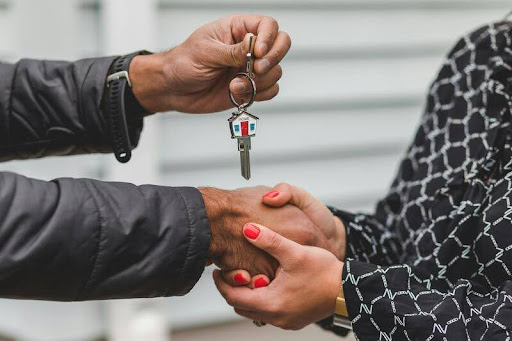
Closing the deal—when all the paperwork pays off
Ever wondered what a real estate agent does all day? You’re not alone. Whether you’re buying your first home, selling your third, or just curious about how the whole thing works, understanding a real estate agent’s role can make the process feel a whole lot less overwhelming.
In this guide, we’re breaking it all down, no sales pitch, just real talk. From setting prices and showing homes to negotiating deals and sorting through paperwork, we’ll walk through exactly what real estate agents do and why it matters. Let’s get into it.
What is a real estate agent, and what do they do?
A real estate agent is a licensed professional who helps people buy, sell, or rent properties. Sounds simple, right? But in reality, the job is much more layered.
Agents work with clients to guide them through the entire transaction process, from listing or searching, all the way to closing. Some focus solely on helping buyers, while others specialize in working with sellers. Many do both.
Agents must be licensed in the state where they operate. That means they’ve passed a state exam and taken coursework in real estate law, ethics, contracts, and local market practices. They often work under a real estate broker, who is someone with additional training and oversight responsibilities.
What does a buyer’s agent do for homebuyers?
A buyer’s agent represents the person or people looking to buy a home. Their job? Help you find the right place, for the right price, with the least amount of stress possible. Here’s how they do that:
1. Help you find properties that fit your budget and needs
Buyer’s agents don’t just send Zillow links and call it a day. They dig into your must-haves, nice-to-haves, and deal-breakers. Then they use access to MLS (Multiple Listing Service) data, where homes are listed in real-time, to curate options that match.
2. Coordinate showings and open houses
Once you’ve got a list, your agent sets up tours so you can see the properties in person. They’ll work around your schedule and make sure everything’s lined up with the sellers.
3. Give insights on neighborhoods and market trends
Not sure if the asking price is fair? Wondering if the area’s walkable or has decent schools? A good agent has the scoop. They’ll help you read between the lines and avoid overpaying in a hot market.
4. Help you make a smart, competitive offer
When you’re ready to make an offer, your agent drafts the paperwork and helps you decide on things like price, closing timeline, and contingencies (like inspections or financing).
5. Negotiate on your behalf
This is one of the most valuable parts of their job. A skilled agent can help you negotiate repairs, credits, or even a lower price, especially if the home inspection reveals any issues.
6. Guide you through inspections and closing
Once your offer is accepted, your agent stays involved. They help coordinate the inspection, review the results, and assist in negotiating repairs or credits if needed. They also make sure everything stays on track until the keys are in your hand.
What does a listing agent do for home sellers?
A listing agent helps homeowners sell their property, and ideally, sell it quickly and for top dollar. Their job involves everything from pricing and marketing to negotiating and closing. Here’s what they handle:
1. Help you price your home accurately
Pricing too high scares off buyers. Pricing too low leaves money on the table. Listing agents analyze recent sales in your area, current market conditions, and your home’s features to land on the sweet spot.
2. Advise on home prep and staging
Even small changes, like decluttering or adding better lighting, can boost buyer interest. Your agent will recommend updates and staging tips to help your home show at its best.
3. Create a custom marketing plan
This can include professional photography, listing on MLS and major real estate sites, social media promotion, and even direct outreach to buyers’ agents. Their goal is simple: get eyes on your property.
4. Coordinate showings and open houses
They’ll handle the scheduling, communicate with buyers’ agents, and gather feedback from potential buyers. You don’t have to play host unless you want to.
5. Review offers and negotiate terms
When offers come in, your agent helps you evaluate each one. It’s not always about price, timing, contingencies, and financing type matter too. Then, they negotiate on your behalf to get the best deal.
6. Manage the paperwork and closing process
Once you accept an offer, your agent keeps things moving: they stay in touch with the buyer’s agent, coordinate with the title company, and make sure all the deadlines are met.
What do real estate agents do behind the scenes?
It’s easy to see the “showy” parts of the job, like touring homes or hosting open houses, but agents do a ton of work behind the scenes.
Here’s some of what you don’t always see:
- Drafting contracts and reviewing legal documents
- Coordinating with lenders, attorneys, inspectors, and appraisers
- Following up on deadlines, disclosures, and contingencies
- Keeping up with local market shifts, laws, and regulations
- Making sure every step of the deal stays compliant and on schedule
It’s part project manager, part negotiator, part paperwork wizard, and all of it helps you avoid costly delays or mistakes.
How do real estate agents get paid?
Here’s a question a lot of folks have: How do real estate agents make money?
In most U.S. transactions, agents are paid by commission. That’s usually 5–6% of the home’s sale price, split between the buyer’s and seller’s agents. For example, if a home sells for 0,000 at a 6% commission,000 would be divided between both agents, often with part of that going to their broker.
Who pays the commission? Traditionally, the seller pays the commission out of the sale proceeds. So if you’re a buyer, you typically don’t pay your agent directly.
When do they get paid? Only at closing. If a deal falls through, the agent doesn’t get paid. That’s why most work hard to make sure things go smoothly from start to finish.
Why does working with a real estate agent matter?
Can you buy or sell a house without an agent? Technically, yes. But most people choose not to, and for good reason.
Agents bring experience, market knowledge, and negotiation skills to the table. They help you avoid common pitfalls, understand the fine print, and navigate what’s probably one of the biggest financial decisions of your life.
Plus, they handle the legwork. All the calls, emails, forms, deadlines, follow-ups… that’s their job, not yours.
FAQ: Quick Answers About Real Estate Agents
What’s the difference between a real estate agent and a Realtor?
All Realtors are licensed real estate agents, but not all agents are Realtors. A Realtor is a member of the National Association of Realtors (NAR) and follows a specific code of ethics.
Can I work with just one agent for buying and selling?
Yes, many agents handle both sides of the transaction. Some even specialize in helping clients buy and sell at the same time.
Do I need a real estate agent to buy a house?
No, but it’s strongly recommended. A buyer’s agent protects your interests, helps you avoid mistakes, and doesn’t cost you anything out-of-pocket in most cases.
Are there agents who specialize in certain property types?
Absolutely. Some agents focus on condos, luxury homes, rural properties, or investment properties. It’s smart to choose someone who understands your specific needs.
Final Thoughts: So, what does a real estate agent do?
In short? A lot more than just unlocking doors.
Real estate agents are your guide, advocate, negotiator, and paperwork pro. Whether you’re buying your dream home or selling your current one, having the right agent can make all the difference.
If you’re getting ready to jump into the real estate market, don’t go it alone.
About the Author