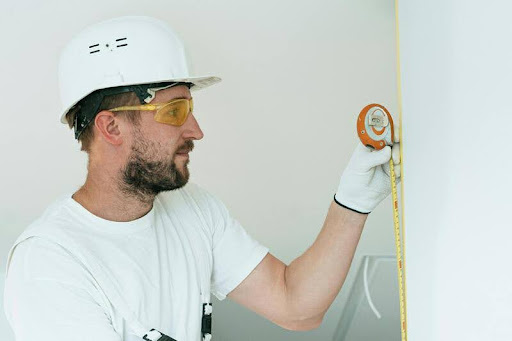
Precision matters—always measure twice before choosing your contractor.
Let’s face it, home projects are exciting, but finding the right contractor? That part can feel overwhelming. Whether you’re planning a bathroom remodel, a new deck, or a full-on renovation, choosing the wrong person for the job can cost you time, money, and a whole lot of stress.
But don’t worry, you don’t need to be an expert to make a smart choice. You just need to know what to look for, what to avoid, and how to trust your gut along the way.
So, let’s break it all down, step by step.
What Should I Know Before Hiring a Contractor?
Start with a clear picture of your project. Before you even reach out to contractors, spend some time thinking through what you want done, how much you’re willing to spend, and how soon you want it finished.
Ask yourself:
- What’s the full scope of the project?
- Do I have a realistic budget?
- Am I on a tight deadline, or can the project take a few months?
Being specific up front helps you communicate clearly and avoid misunderstandings later. It also helps you figure out if you need a general contractor, someone who oversees the entire job, or a specialist, like a plumber or electrician.
Where Can I Find a Reliable Contractor?
There’s no shortage of contractors out there, but not all of them are a good fit for your project, or your standards.
Here are a few places to start your search:
- Word of mouth: Ask friends, neighbors, or coworkers you trust.
- Online directories: Websites like Angi, HomeAdvisor, or even local Facebook groups.
- Hardware stores: Many big box retailers like Lowe’s or Home Depot have bulletin boards or referral services.
Once you’ve got a few names, do a quick reputation check. Read through reviews, look for patterns. A single bad review isn’t the end of the world, but if several people mention missed deadlines or poor communication, that’s a red flag.
How Do I Know If a Contractor Is Licensed and Insured?
Here’s the deal: Every legit contractor should have a license and insurance, no exceptions. These aren’t just nice to have; they’re there to protect you.
Make sure to:
- Ask for their license number and verify it with your state’s licensing board.
- Confirm they have general liability insurance and, if applicable, workers’ comp.
In many states, it’s illegal for contractors to operate without a license. Plus, if they’re not insured and something goes wrong? You could be stuck with the bill.
Stat check: According to the National Association of Home Builders, over 30% of homeowners reported delays or cost overruns due to hiring unlicensed contractors. Don’t take that risk.
What Questions Should I Ask a Contractor Before Hiring?
Once you’ve narrowed your list, it’s time to have some real conversations. Don’t be shy, this is your home, and you deserve answers.
Here are some solid questions to ask:
- How long have you been in business?
- Can you walk me through your process?
- What kind of projects do you specialize in?
- Will you be on-site every day, or will someone else manage the crew?
- How do you handle unexpected changes or delays?
You’re not just looking for technical answers. Pay attention to how they respond. Are they clear? Confident? Rushed? Defensive?
Good communication upfront is usually a sign of smooth sailing later on.
How Many Quotes Should I Get from Contractors?
Always, always get at least three quotes. This gives you a better sense of the going rate and helps you spot outliers.
When comparing estimates, don’t just look at the final number. Break down:
- Labor and material costs
- Timeline and availability
- Payment schedule
- Warranties or guarantees
A quote that’s way lower than the others might seem like a win, but it could signal poor materials, rushed work, or surprise fees later on. Likewise, the most expensive bid isn’t always the best.
Look for a detailed, transparent estimate, not a vague, handwritten one-pager.
Should I Check References or Past Work?
Absolutely. And don’t skip this step just because someone “seems nice.”
Ask for a few recent references and take the time to call them. A quick five-minute conversation can tell you a lot:
- Were they happy with the quality of work?
- Was the project finished on time and within budget?
- Would they hire the contractor again?
You can also ask to see a portfolio or photos of past jobs. Look for consistency in craftsmanship, not just one flashy project.
What Should Be Included in a Contractor Agreement?
Before any work begins, get everything in writing. A proper contract protects both you and the contractor, and helps avoid confusion down the line.
Your contract should clearly outline:
- Total cost and payment schedule
- Start and end dates
- Materials and brands to be used
- Responsibilities for permits
- How changes or issues will be handled
- Warranty or follow-up work
Don’t be afraid to ask for clarification or suggest edits. A reputable contractor won’t mind; it shows you’re paying attention.
How Can I Tell If a Contractor Is the Right Fit?
Beyond licenses, references, and pricing, trust your instincts. Do they respect your time? Do they listen to your concerns? Are they easy to get in touch with?
If something feels off, like pressure to make a quick decision or vague answers to direct questions, it probably is.
Good contractors want long-term relationships and word-of-mouth referrals. They’ll take the time to earn your trust.
And remember: Don’t rush it. The best time to make a decision is before the demo starts, not when your walls are already open.
Why Taking Your Time Pays Off
Choosing the right contractor might take a little more time upfront, but it’s time well spent. Think of it like dating, would you propose on the first date? Hopefully not.
Permit yourself to say no, ask more questions, or wait for a better fit.
Because in the end, this isn’t just a job, it’s your home.
Quick Tips to Remember:
- Always get multiple estimates.
- Check licenses and insurance.
- Talk to past clients.
- Don’t skip the contract.
- Go with your gut.
FAQ: Hiring a Home Contractor
What’s the best way to find a licensed contractor near me?
Start with online directories like Angi, or ask friends and neighbors. Always verify the license with your local state board.
How do I know if a contractor’s quote is fair?
Compare at least three estimates. A fair quote is detailed, includes labor and material costs, and aligns with local pricing trends.
Should I pay a contractor upfront?
Never pay the full amount upfront. A small deposit (10–20%) is normal, with the rest paid in stages based on progress.
What’s the difference between a contractor and a handyman?
A contractor handles larger jobs and usually oversees a team. A handyman handles smaller repairs or one-off tasks without the need for permits.
What’s a red flag when hiring a contractor?
Avoid anyone who pressures you to sign quickly, won’t show proof of insurance, or gives vague answers about the project.
Final Thoughts: You’ve Got This
Choosing a contractor doesn’t have to be stressful. With the right approach, a bit of research, and a healthy dose of curiosity, you’ll find someone who’s qualified, reliable, and easy to work with.
If you’re planning your next project, take a breath, trust the process, and don’t settle for less than you deserve.
About the Author