A small spark, big savings—energy efficiency starts with bright ideas.
Energy expenses can catch you off guard, can’t they? One month you’re managing fine, and then, suddenly, your electric or heating bills soar. If you’ve found yourself looking at a utility bill in disbelief and thinking, “Why is this amount so high?” you’re not alone.
The good news? You can regain control. Implementing energy-efficient home improvements is one of the smartest strategies to reduce monthly expenses, enhance comfort, and even boost property value. Let’s explore how these upgrades function and what steps you can take to begin saving.
What does it mean for a residence to be energy-efficient?
In simple terms, an energy-efficient home consumes less energy for the same activities, such as heating, cooling, lighting, and running appliances. It’s about achieving more comfort with lower costs.
Energy-efficient enhancements minimize energy waste throughout daily routines. They assist your home in maintaining comfortable temperatures without overworking your HVAC system or driving up utility costs. Additionally, they typically offer an added benefit: a reduced carbon footprint.
Why should I be interested in energy-efficient home improvements?
Aside from monetary savings (which is significant), energy-efficient upgrades are frequently:
Increase comfort in your home throughout the year.
Diminish outdoor noise.
Lower your ecological footprint.
Enhance your home’s resale value.
According to the U.S. Department of Energy, households can potentially save up to 25% on utility expenses simply by implementing a few strategic upgrades. That represents a considerable amount of money, potentially thousands of dollars annually.
Where should I concentrate my efforts in the house?
If you’re unsure where to begin, you’re not alone. Most homes tend to lose energy in several common areas. Here’s where you should prioritize your efforts first.
Is insulation a worthwhile investment for saving money?
It’s one of the most efficient methods for reducing energy waste.
Insulation serves as a thermal layer for your home. Without it, heat escapes in the winter and penetrates in the summer, forcing your HVAC system to overwork itself.
Aim to insulate:
Attics
Crawlspaces
Walls
Basements
And don’t overlook air sealing. Gaps around windows, doors, and ducts can create drafts that make it challenging to heat or cool your home
A quick DIY fix with caulk or weather stripping can go a long way
What are the benefits of energy-efficient windows and doors?
They keep your indoor air where it belongs and outside air out.
Old or single-pane windows are notorious for letting energy slip through the cracks. Upgrading to double or triple-pane models with low-E coatings helps reduce heat transfer and block harmful UV rays.
Energy-efficient doors, especially those made with insulated cores, also reduce drafts and help stabilize indoor temperatures.
Tip: Adding storm windows or even heavy curtains can offer an affordable efficiency boost if a full upgrade isn’t in the cards yet.
Should I upgrade my HVAC system for better efficiency?
If your system is more than 10–15 years old, it might be time.
Heating and cooling accounts for nearly half of the average U.S. home’s energy use. That means even a modest improvement in efficiency can lead to noticeable savings.
Look into:
- High-efficiency furnaces or heat pumps
- Ductless mini-splits for zoned heating/cooling
- Programmable or smart thermostats
A smart thermostat can help you save up to 10% annually on heating and cooling by automatically adjusting temperatures when you’re asleep or away.
How can I make my water heating more energy-efficient?
Start with a better water heater and smarter usage habits.
Water heating typically eats up 15-20% of your utility bill. You can save money by:
- Switching to an energy-efficient water heater (like a tankless or heat pump model)
- Lowering the thermostat to 120°F
- Insulating your water heater tank and hot water pipes
Don’t want a full replacement? Simply cutting down on hot water usage, like washing clothes in cold water, can still make a dent.
What’s the best lighting for energy efficiency?
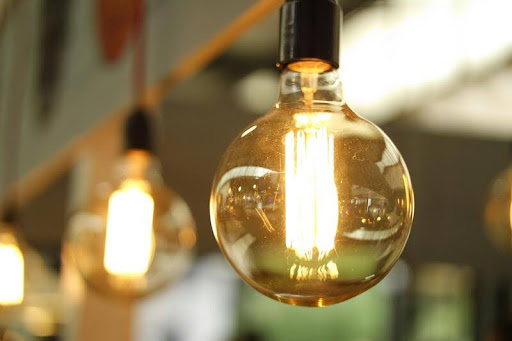
LEDs are your wallet’s best friend.
They use up to 90% less energy than traditional incandescent bulbs and last 15–25 times longer. That means fewer bulb changes and lower electric bills.
Swap out:
- Overhead lights
- Lamps
- Outdoor lighting
And take advantage of natural light during the day by opening curtains or using lighter wall colors that reflect daylight.
How do energy-efficient appliances help lower bills?
They use less power to do the same jobs.
Appliances with the ENERGY STAR® label meet strict efficiency standards and use less energy without sacrificing performance. Common upgrades include:
- Refrigerators
- Dishwashers
- Washing machines
- Dryers
You can also reduce energy waste by:
- Using cold water for laundry
- Running full loads
- Air-drying clothes and dishes when possible
Don’t forget electronics. TVs, gaming consoles, and computers still draw power in standby mode. Using smart power strips can cut “phantom” energy use.
How do I know which upgrades will save me the most?
That’s where a home energy audit comes in.
An energy audit is a room-by-room assessment (often with thermal cameras and blower door tests) that shows where your home is losing energy. You’ll get a customized list of suggested improvements, ranked by impact and cost.
Many utility companies in the U.S. offer audits for free or at a discount, so it’s worth checking.
Do energy-efficient improvements cost a lot up front?
Some do, but many are surprisingly affordable.
The key is to think of these improvements as long-term investments. Sure, you might spend a few hundred (or even a couple thousand) dollars, but the savings often pay for themselves in just a few years.
For example:
- Sealing leaks and adding insulation can offer a return on investment (ROI) of over 100%.
- Smart thermostats pay for themselves in about 2 years.
- LED lighting pays for itself in just a few months.
Are there rebates or tax incentives for energy-efficient upgrades?
Yes, and they can significantly lower your out-of-pocket costs.
Depending on where you live, you may qualify for:
- Federal tax credits for energy-efficient home improvements
- State-level rebates
- Utility-sponsored incentive programs
These programs can cover a portion of the cost of new windows, insulation, HVAC systems, water heaters, and more.
It’s worth researching what’s available in your state. The Department of Energy and Energy Star websites are good places to start.
Final Thoughts: Small Changes, Big Savings
You don’t have to overhaul your entire home overnight to see a difference. Even a few targeted upgrades, like sealing drafty doors, switching to LED bulbs, or installing a smart thermostat, can put money back in your pocket month after month.
Plus, you’ll feel the difference in more than just your wallet. A more efficient home is usually quieter, more comfortable, and better for the planet.
So if you’ve been asking, “What are the best energy-efficient home improvements to save money?”, now you’ve got your answer.
Start with what fits your budget, and build from there.
Quick FAQ: Energy-Efficient Home Upgrades
What is the most cost-effective energy-efficient upgrade? Sealing air leaks and adding insulation often offer the best return on investment and immediate comfort improvements.
How much can I save on my energy bills? Homeowners can save up to 25% annually by making basic energy-efficient upgrades.
Do energy-efficient improvements increase home value? Yes, many improvements, especially windows, insulation, and HVAC, can raise your home’s resale value.
Can I get tax credits for making my home more energy-efficient? Yes, under the Inflation Reduction Act, you may qualify for federal tax credits for upgrades like insulation, HVAC systems, and efficient windows.
Do I need a professional for every upgrade? Not always. Many improvements, like weather stripping, smart thermostat installation, and LED bulb swaps, are easy DIY projects.
Ready to Save?
Take a walk around your house this week and look for areas that feel drafty, rooms that heat unevenly, or appliances that need replacement. Starting small can still lead to big savings.
Need help planning your energy-efficiency game plan? Reach out to a local energy auditor or check with your utility company for a free assessment.
About the Author