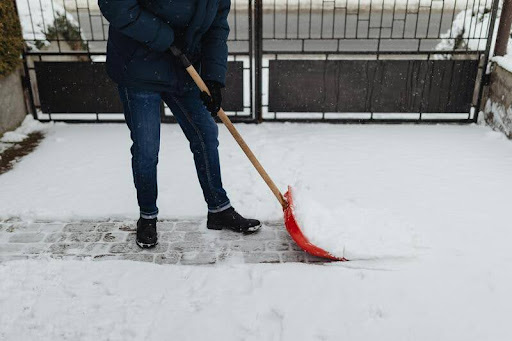
Clearing the way—shoveling snow is a key part of winter home prep
Start by checking common problem spots: windows, doors, vents, and even electrical outlets on exterior walls. If you feel a breeze, that’s a leak.
- Use weather stripping around doors to close gaps.
- Apply caulk to seal cracks around window frames.
- Install door sweeps at the bottom of exterior doors.
- Check attic insulation. Heat rises, and if your attic isn’t properly insulated, all that warm air you’re paying for is escaping fast.
Pro tip: A lit candle or incense stick near windows and doors can help you spot subtle drafts. Just watch how the smoke moves.
What should I do to prepare my heating system?
You don’t want to discover a heating issue on the coldest night of the year.
- Test your furnace early, before you need it. Turn it on and make sure it heats up properly.
- Replace your filters. A dirty air filter can restrict airflow and make your system work harder.
- Clean vents and registers to allow for even airflow throughout your home.
- Consider a smart thermostat. It can help you manage temps and save energy, especially when you’re asleep or away.
If your system hasn’t had professional maintenance in a while, schedule a check-up. Even if everything seems fine, a tech can catch problems before they become big ones.
How do I protect my pipes from freezing?
How to Prepare Your Home for Winter Weather (Without the Stress)
Winter might bring cozy nights and hot cocoa, but it can also deliver freezing temps, high energy bills, and the kind of repairs no one wants to deal with. So, the question is: Is your home ready for the cold months ahead? If you’re not sure, or just want to double-check, you’re in the right place.
This guide walks you through exactly how to prepare your home for winter weather. We’ll cover everything from sealing drafty windows to protecting pipes and checking your roof, no fluff, just practical tips that’ll help you stay warm, safe, and one step ahead of winter surprises.
Why is winterizing your home important?
Because ignoring it can cost you, literally.
According to the U.S. Department of Energy, heating accounts for about 29% of the average American home’s energy use. That means if your house isn’t buttoned up tight, you’re throwing money out the window. Plus, things like frozen pipes and ice dams can cause serious (and expensive) damage.
Getting ahead of the cold helps keep your home energy-efficient, safe, and way more comfortable. So, let’s jump into how to do it right.
How do I seal drafts and keep cold air out?
Frozen pipes are one of winter’s worst home disasters. They can burst, flood, and ruin walls, flooring, and insulation.
Here’s how to avoid that:
- Insulate exposed pipes, especially in basements, attics, and crawl spaces.
- Shut off and drain outdoor water lines and hoses. If you don’t use them in winter, get rid of the risk.
- Open cabinet doors under sinks on cold nights to let warm air circulate.
- Let faucets drip slightly in extreme cold. It keeps water moving and reduces pressure buildup.
Even a bit of prevention goes a long way here.
What’s the best way to clean gutters before winter?
It might not be fun, but it’s necessary. When leaves and debris clog up your gutters, melting snow can’t drain properly. That causes ice dams, which can damage your roof and lead to leaks inside your home.
- Clear out leaves, twigs, and debris with gloves or a small scoop.
- Flush gutters with a hose to make sure water flows freely.
- Check downspouts to ensure they direct water at least 5 feet away from your home’s foundation.
- Inspect gutter brackets, tighten anything loose before winter snow weighs them down.
Need a reminder? Do this once all the leaves have fallen, but before the first big freeze.
Should I check my roof before winter?
Absolutely. Snow and ice can be heavy and unforgiving.
- Look for missing, curling, or damaged shingles.
- Inspect flashing around chimneys and vents, these are prime leak spots.
- Check for sagging areas or places where moisture may collect.
- Peek in the attic for signs of water stains, daylight, or mold; those mean the roof isn’t sealed properly.
Even small issues can become big headaches under a layer of snow.
Do I need to clean or inspect my fireplace?
If you’re planning to use it, yes.
- Clean out ashes from the last use (but leave a small layer if it’s a wood-burning fireplace; it helps with insulation).
- Make sure the damper opens and closes easily.
- Look for blockages or critters that may have taken shelter in your chimney.
- Consider a professional chimney sweep if it’s been more than a year since your last inspection.
Gas or electric? Still do a quick safety check, and if you smell gas or something seems off, get it serviced.
What should I stock up on before the snow hits?
Don’t wait until the first storm to realize you’re out of salt or the shovel’s broken.
- Snow shovel or snow blower, check condition and fuel if needed
- Ice melt or sand for sidewalks and driveways
- Flashlights and batteries in case of power outages
- Blankets and warm layers for emergency warmth
- Canned or dry food, bottled water, and medications for at least 3–5 days
Being prepared beats scrambling when everyone else is panic-buying.
How can I protect outdoor spaces and landscaping?
Winter doesn’t just hit the inside of your home.
- Cover or store patio furniture, grills, and tools. Keep them protected from rust and damage.
- Secure fences, gates, and outdoor structures. Wind and heavy snow can knock things loose.
- Wrap delicate plants or shrubs in burlap or frost cloth to help them survive.
- Check walkways and railings; you’ll want those safe and slip-free once ice arrives.
What safety checks should I do before winter?
This is your final sweep, and it’s all about peace of mind.
- Test smoke and carbon monoxide detectors. Heating systems increase the risk of CO leaks.
- Replace old batteries and consider smart detectors with alerts.
- Review emergency plans with your household, what to do if the power goes out or a pipe bursts.
- Check your fire extinguisher to make sure it’s charged and accessible.
You don’t need to go overboard, but being a little prepared now can save a lot of stress later.
Wrapping Up: Is your home ready for winter?
It just takes a little planning, a bit of elbow grease, and knowing what to check.
So here’s your challenge: Pick one area from this list and tackle it today. Then come back and keep going. Before you know it, your home will be cozy, energy-smart, and winter-ready.
Need a printable checklist? Let me know, and I’ll create one for you!
Winter Weather Prep FAQ
How early should I start winterizing my home?
Start in early fall, September or October, so you’re ready before the first cold snap.
What temperature causes pipes to freeze?
Pipes can freeze when temps hit 28°F or below for several hours, especially if uninsulated.
Can I winterize my home on a budget?
Absolutely. Focus on sealing drafts, changing filters, and protecting pipes. These are low-cost fixes with big impact.
Do smart thermostats save money?
Yes. Smart thermostats can cut heating costs by 8% or more, according to ENERGY STAR data.
Should renters winterize too?
Yes! While some tasks fall to landlords, renters can seal drafts, use heavy curtains, and prep their living space for comfort and safety.
Preparing your home for winter weather doesn’t have to be complicated.
About the Author