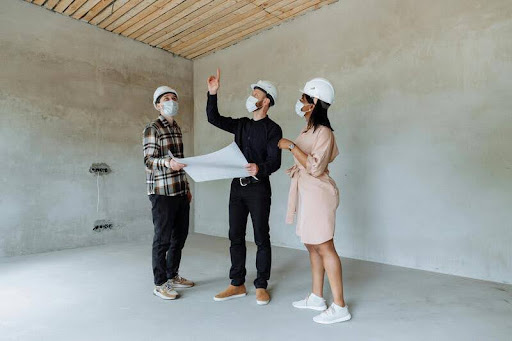
Open spaces, endless possibilities—this layout brings everything together in one seamless flow.
Open floor plans are everywhere, from modern homes and new builds to popular home renovation shows. But are they actually the best layout for how you live? If you’ve ever stood in your living room wondering whether knocking down a wall is a brilliant idea or a future regret, you’re not alone.
Let’s dig into the real advantages and downsides of open floor plans, no fluff, no sales pitch. Just the info you need to make the right call for your space and lifestyle.
What is an open floor plan, exactly?
An open floor plan refers to a home layout where two or more traditionally separate rooms, like the kitchen, dining area, and living room, are combined into a single large, shared space without walls dividing them.
Think of it as one big, open area where activities blend together. Instead of cooking in a closed-off kitchen while everyone else hangs out in another room, everything happens in the same space. This layout often includes high ceilings, lots of natural light, and a modern, airy vibe.
Why are open floor plans so popular in the U.S.?
There are a few reasons, and many of them come down to lifestyle and aesthetics. American families today often value connection, multitasking, and flexibility. Open layouts let parents cook while keeping an eye on kids. They also make entertaining easier since guests and hosts can mingle freely.
In fact, according to the National Association of Home Builders (NAHB), about 84% of new single-family homes built in the U.S. feature at least a partially open layout between the kitchen and dining area, and 79% between the kitchen and living areas. Clearly, it’s a trend that’s stuck around.
But is it right for you? Let’s explore.
What are the advantages of an open floor plan?
Open floor plans do come with a bunch of benefits, especially if you value light, space, and social interaction. Here’s what makes them appealing:
1. More Natural Light
Fewer walls mean sunlight from your windows can travel across the room more easily. If you love a bright, cheerful space, this is a big win.
2. Improved Flow and Air Circulation
With fewer obstructions, air can move more freely, and the overall flow of the home feels less boxed in. It can even help make smaller homes feel bigger.
3. Easier Communication and Socializing
Open layouts make it easy to talk and interact. Whether you’re entertaining or just chatting with your family while cooking dinner, everyone can stay connected.
4. Flexible Space Usage
Need your living room to double as a home office? Or want to add a play area for the kids? Open spaces are easy to reconfigure, which is a big plus in today’s multitasking households.
5. Modern, Stylish Look
If you’re into that clean, contemporary style, open layouts deliver. The uninterrupted space and cohesive design elements look sleek and intentional.
What are the disadvantages of an open floor plan?
It’s not all sunshine and flow. While open floor plans sound amazing, they do come with trade-offs that are worth thinking through.
1. Noise Travels
Without walls to block sound, conversations, TV, and kitchen noise all blend together. That can be frustrating, especially in busy households or if someone’s working or studying from home.
2. Lack of Privacy
It’s hard to find a quiet corner when everything’s wide open. Whether you’re taking a Zoom call or just need a moment to yourself, privacy can be hard to come by.
3. Temperature Control Challenges
Heating and cooling one large open area efficiently can be tricky. You may end up spending more on utilities or dealing with uneven temperatures throughout the space.
4. Less Wall Space for Storage or Decor
No walls means fewer spots for artwork, bookshelves, cabinets, or even outlets. If you’re short on storage already, that can be a big drawback.
5. Everything Is Always On Display
An open layout makes it easier to see the whole space, which also means you’ll notice every mess. If someone drops their bag in the middle of the floor or leaves dishes out, it’s visible from pretty much anywhere.
How do I know if an open floor plan is right for my lifestyle?
Here’s where it gets personal. Ask yourself:
- Do you entertain often?
- Do you like multitasking across rooms?
- Do you have young kids you want to keep an eye on while doing other tasks?
- Are you okay with noise and less privacy?
- Do you prefer a minimalist, modern look over traditional room structure?
If you answered yes to most of those, an open layout might work well for you. But if you value quiet time, defined spaces, or extra storage, a more traditional setup may be better.
Are open floor plans still in style?
Yes, but the trend is shifting slightly. During the pandemic, a lot of folks realized that they needed separate spaces to work, study, and relax. According to a 2024 Zillow report, homes with dedicated home offices and enclosed rooms saw increased buyer interest, especially among remote workers.
That doesn’t mean open layouts are going away, though.
Many newer homes now use “semi-open” floor plans, which offer openness with partial separation, like kitchen islands that define space or sliding partitions that provide some flexibility.
What’s the best way to make an open floor plan feel cozy?
Great question, open doesn’t have to mean cold or impersonal. You can warm things up by:
- Using area rugs to define zones (like a sitting area or dining space)
- Adding lighting layers, think floor lamps, pendant lights, and task lighting
- Mixing materials and textures (wood, textiles, stone)
- Arranging furniture in groupings that promote conversation and flow
- Incorporating shelves or half-walls for subtle division without fully closing things off
It’s all about creating a sense of structure while keeping that airy, open feel.
Can you close off an open floor plan later?
Technically, yes, but it may take more than just a curtain or room divider. If you want to reintroduce walls, you’ll need to consider structural changes, permits, and possibly electrical or HVAC updates. That can get costly.
If you’re unsure, start with flexible options, like large bookcases, sliding doors, or movable panels. That way, you get the best of both worlds without fully committing either way.
Is an open floor plan more expensive to build or renovate?
Not always. In fact, open plans can be more cost-effective during construction because they require fewer materials, like interior walls and doors. But there’s a catch: to achieve that large, open space, builders often need to add beams or structural supports, especially if they’re removing load-bearing walls.
For renovations, that part can get pricey. Expect to pay anywhere from $3,000 to $10,000 or more if structural changes are involved.
Final Thoughts: Should You Go Open or Stick with Traditional?
At the end of the day, it depends on your needs and how you live. Open floor plans can be light-filled, modern, and perfect for social living. But they also come with noise, clutter, and privacy trade-offs.
Not sure? Try living with the layout you have while experimenting with space dividers, furniture arrangements, or lighting changes before making any big decisions. And remember, your home should fit you, not a trend.
Frequently Asked Questions (FAQ)
What is an open floor plan in a house? An open floor plan is a layout where major rooms like the kitchen, dining, and living areas are combined into one shared space without separating walls.
Are open floor plans good for families? Yes, many families find them helpful for staying connected and keeping an eye on kids, but they may lack privacy and quiet.
Do open floor plans affect home value? They can, especially if buyers prioritize modern layouts. However, in recent years, there’s growing interest in homes with defined spaces too.
How can I make an open floor plan more functional? Use rugs, lighting, furniture placement, and shelving to create “zones” within the space for different activities.
Can I add walls to close off part of an open floor plan? Yes, but it often requires structural work, permits, and design adjustments. Consider flexible or non-permanent dividers first.
About the Author