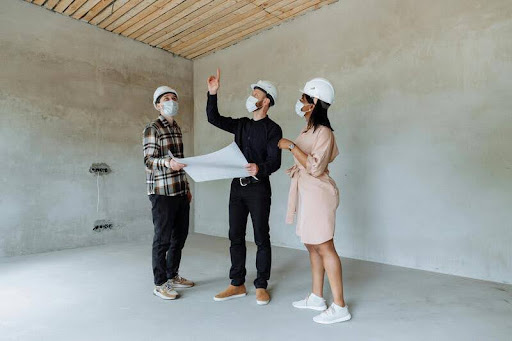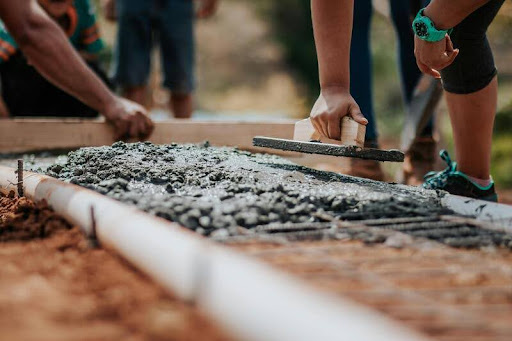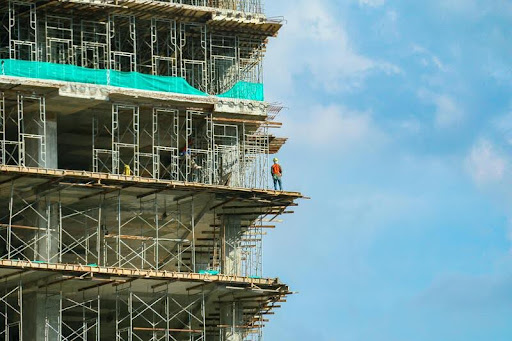
Hands-on at the job site—where planning meets progress.
Thinking about building a home from the ground up? Whether you’re dreaming of a cozy bungalow or planning a custom forever home, understanding the main steps in residential construction is essential. It’s not just about pouring concrete and nailing boards. There’s a whole process behind it, and knowing what to expect can help you feel more confident, avoid costly mistakes, and stay on top of your project.
So, what actually goes into building a house? Let’s walk through it together, step by step.
What happens during the planning stage of residential construction?
The very first phase is all about setting the foundation, but not in the concrete sense just yet.
Pre-construction planning includes:
- Choosing a plot of land
- Setting your budget
- Hiring your architect or designer
- Deciding on a construction timeline
This stage lays the groundwork for everything that follows. It’s where you figure out what you want, what you can afford, and how to make it all fit together. A lot of people start with a dream board or a list of must-haves and work from there. It’s also when you determine what kind of construction works best for your location and goals, modular? stick-built? something custom?
Keep in mind that the average cost to build a new single-family home in the U.S. was about $313,000 in 2023, according to the National Association of Home Builders (NAHB). But that can vary a ton based on region, materials, and the size of the home.
Why are permits and approvals necessary before construction?
Because you can’t just grab a hammer and go.
Before any physical work begins, you’ll need to get the proper permits and make sure your plans align with local zoning laws. Depending on your location, that might include:
- Building permits
- Electrical and plumbing approvals
- Environmental impact reviews
- Utility connection requests
Skipping this step (or cutting corners) can lead to major delays, or worse, legal trouble. Your builder or general contractor will usually help manage this process, but it’s good to understand what’s involved.
What is site preparation in home construction?
Now we’re getting into the physical work.
Site prep is exactly what it sounds like: getting the land ready for building. That includes clearing away trees, rocks, or debris, leveling the ground, and digging for the foundation.
Once the land is prepped, it’s time to lay the foundation, which could be a concrete slab, a crawl space, or a full basement.
This choice depends on your design plans and local climate. (For example, basements are common in colder northern states but rare in the South.)
After pouring the foundation, inspectors will check things like footings, drainage, and structural integrity to make sure everything meets code.
What does framing a house involve?
Framing is where your house finally starts to take shape. It’s often called the “skeleton” of the home.
During this stage, crews will:
- Build the floor system, walls, and roof
- Install sheathing (that plywood or OSB you see on exterior walls)
- Cut out space for windows and doors
- Add roof trusses or rafters
If you’ve ever driven by a new build and seen it go from flat foundation to full skeleton in a week or two, this is the phase you’re looking at. It’s fast and dramatic, and it sets the stage for everything that comes next.
When do plumbing, electrical, and HVAC systems get installed?
Once the structure is framed, it’s time for the rough-ins.
This is when licensed professionals come in to run:
- Electrical wiring
- Plumbing lines
- Heating, ventilation, and air conditioning (HVAC) systems
Think of this as the home’s nervous system and veins going in. These are behind-the-walls components that need to be installed before drywall can go up. Once done, a building inspector will double-check to make sure everything is installed safely and correctly.
What happens after the rough-ins?
Now it’s time to seal it all up, with insulation and drywall.
- Insulation goes into the walls, ceilings, and floors to help regulate temperature and energy use. (Fun fact: A well-insulated home can cut heating and cooling costs by up to 15%, according to Energy Star.)
- Then comes drywall, also called sheetrock. It’s hung, taped, and mudded, creating the smooth surfaces for your future walls and ceilings.
Once that’s done, the house starts to look more like a real home.
What comes next in residential construction after drywall?
Let’s talk finishes, this is where it gets exciting.
Exterior finishes:
- Siding (vinyl, wood, brick, etc.)
- Roofing shingles or tiles
- Windows and exterior doors
Interior finishes:
- Painting walls and ceilings
- Installing flooring (hardwood, carpet, tile, etc.)
- Kitchen and bathroom cabinets
- Countertops, trim, and molding
By this point, you’re likely walking through and mentally placing your furniture. The house feels real. You’ll also start to see plumbing and lighting fixtures being installed, bathtubs, sinks, ceiling fans, and so on.
When are utilities connected in new home construction?
As the finishing touches go in, your utilities are hooked up and tested.
This includes:
- Power from your electric company
- Water and sewer service
- Natural gas (if applicable)
- Internet and cable (yep, you can plan that early)
All major systems, HVAC, electrical, and plumbing, are tested at this point. Any problems get corrected before the next step.
What happens during the final inspection and walkthrough?
Before you can move in, your home needs to pass a final building inspection.
A city or county inspector will check that:
- Everything meets code
- All systems are functioning
- Safety requirements are met
If everything checks out, you’ll receive a certificate of occupancy (aka the green light to move in).
You’ll also do a walkthrough with the builder, where you’ll inspect the work and make a “punch list” of any small issues (paint dings, hardware fixes, etc.). These will be addressed before the project is fully closed out.
What’s the last step before move-in?
The last step is the one you’ve been waiting for: move-in day!
You’ll receive your keys, your documents, and probably a homeowner’s manual or warranty paperwork for your appliances and systems.
Some builders offer a one-year warranty for fixes or repairs. It’s a good idea to schedule a post-construction inspection about 10–11 months in, just in case anything needs attention while still under warranty. And then? Kick back, settle in, and enjoy your new home.
Final Thoughts: Why Knowing the Steps of Residential Construction Matters
Building a home is a big deal. It’s exciting, sure, but also full of details, deadlines, and decisions. When you understand what each step involves, it’s a lot easier to stay on top of the process, communicate with your contractor, and spot potential issues before they snowball.
So if you’re planning to build, keep this guide handy. Use it to track progress, ask the right questions, and feel more confident every step of the way.
Thinking of building soon? Make sure you’ve got a checklist, a trusted builder, and a plan. The more prepared you are, the smoother the ride.
FAQ: Common Residential Construction Questions
What is the first step in building a house? The first step is pre-construction planning, which includes choosing land, setting a budget, hiring a designer or architect, and mapping out the timeline.
How long does residential construction usually take? On average, building a home in the U.S. takes 7–9 months, but it can be shorter or longer depending on location, weather, and complexity.
Do I need permits to build a house? Yes. You’ll need various permits, including building, electrical, plumbing, and zoning approval, before construction begins.
When is it safe to move into a newly built house? You can move in once the home passes final inspections and the local authority issues a certificate of occupancy.
What are rough-ins in construction? Rough-ins refer to the installation of plumbing, electrical, and HVAC systems before walls are closed up with insulation and drywall.
About the Author