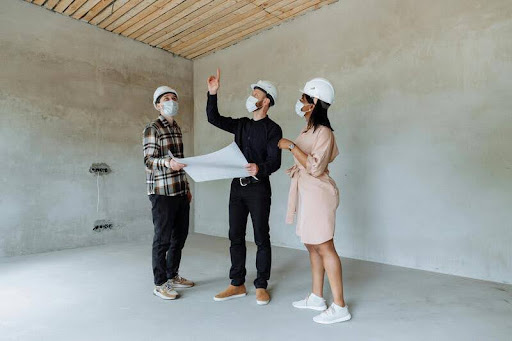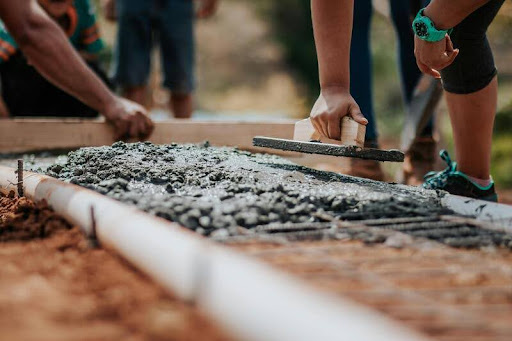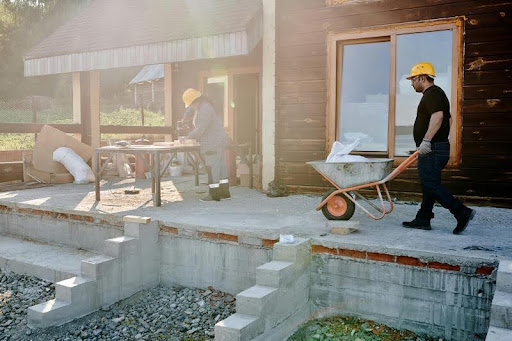
Teamwork in action—crews on-site bring new homes to life, one beam at a time.
So, you’re thinking about building a house in the U.S., exciting stuff! But also? A little overwhelming. One of the first things people ask is: “How much is this going to cost me?” And the truth is, there’s no one-size-fits-all answer. The cost to build a house depends on where you’re building, what kind of home you want, and how you go about it.
In this guide, we’ll break it all down for you. No jargon. No sales pitch. Just straight talk about what really drives the cost of building a house in the U.S., and how to plan smart from start to finish.
What’s the average cost to build a house in the U.S.?
Short answer: The average cost to build a house in the U.S. ranges from $150 to $250 per square foot, depending on location, materials, and labor.
That means for a 2,000-square-foot home, you’re looking at anywhere between $300,000 to $500,000, and that’s just the base. Add in land, permits, and finishes, and the number climbs fast.
But here’s the thing: averages only tell part of the story. Your actual cost could be a lot higher or lower depending on where you are and the choices you make during construction.
Why does location matter so much?
Because everything, from land prices to labor rates, varies wildly by region.
If you’re building in a high-cost area like California or the Northeast, expect to pay more. A lot more. In contrast, the South and parts of the Midwest tend to have lower land and labor costs, which can trim tens of thousands off your total budget.
Also, keep in mind that urban areas often come with extra fees, stricter regulations, and higher taxes. Rural spots may be cheaper upfront but could require more investment in things like roads, wells, or septic systems.
What are the biggest factors that affect house building costs?
Let’s walk through the main things that impact your budget:
1. Land Purchase
Buying land is step one, and it’s a biggie. The price depends on whether the lot is raw (untouched) or developed (ready to build). Raw land might be cheaper per acre, but it’ll cost more to prep.
You’ll also need to budget for clearing trees, leveling the ground, and connecting utilities (if they’re even available). In some cases, just getting the site ready can eat up tens of thousands of dollars.
2. Building Permits and Government Fees
Permits are non-negotiable. You’ll need them for everything from electrical work to zoning compliance. These costs vary by city and county but can range from $5,000 to $15,000 or more depending on where you are and how complex your project is.
Don’t forget to factor in inspection fees, environmental impact assessments, and possible impact or connection fees for local infrastructure.
3. House Size and Design
Here’s where it gets personal. Want an open floor plan, three-car garage, and a fancy kitchen island? It all adds up.
Larger homes obviously cost more to build, but even small homes can get pricey if they have a custom layout or high-end design features. Sticking to a simple shape, think rectangle or square, can keep framing and foundation costs lower.
4. Construction Materials
Not all materials are created equal, or priced the same. For example, using wood framing instead of steel, or choosing vinyl siding over brick, can save you thousands.
Lumber prices in particular have been volatile in recent years, sometimes doubling within months. Other materials like concrete, drywall, roofing, and insulation also fluctuate, depending on supply chain issues and market demand.
5. Labor and Contractor Costs
Labor is typically 30% to 40% of your total budget. Skilled trades like electricians, plumbers, and carpenters charge based on experience and regional rates.
Hiring a general contractor will cost more than managing the build yourself, but it can save time, stress, and costly mistakes. You’ll also want to budget for subcontractors who handle specific tasks like roofing or tiling.
6. Utility Connections and Infrastructure
This is one of those hidden costs people forget to plan for. If your land doesn’t already have water, sewer, or electricity connections, you’ll need to pay to install them. And if you’re building in a remote area, these hookups can be major budget busters.
Some builds require a private well or septic system, which can cost between $5,000 and $20,000 depending on the site.
7. Interior Features and Finishes
Cabinets, countertops, flooring, lighting, this is where personal style meets the price tag. High-end finishes like quartz, hardwood floors, or custom tile work can drive up your costs quickly.
Even standard features like drywall, doors, and trim add up when multiplied by an entire home. And don’t forget appliances, those aren’t always included in your builder’s price.
8. Landscaping and Exterior Work
Want a driveway, patio, or fenced yard? Those aren’t usually included in the base construction estimate, but they’ll definitely affect your final cost.
Basic grading and seeding might cost a few thousand, but if you want irrigation systems, retaining walls, or a deck, you’ll need to increase your landscaping budget.
How are house construction costs broken down by phase?
To get a better sense of where your money goes, here’s a simplified breakdown:
| Construction Phase | Typical % of Total Cost |
| Pre-construction & permits | 5–10% |
| Foundation | 10–15% |
| Framing | 15–20% |
| Exterior work (roof, siding) | 10–15% |
| Systems (plumbing, HVAC, etc.) | 15–20% |
| Interior finishes | 20–25% |
| Final steps & cleanup | 5–10% |
This breakdown isn’t set in stone, but it gives you a ballpark idea of how the budget flows across different stages.
What hidden costs should I watch out for?
Good question, because these are the budget busters that sneak up on people:
- Change orders (aka design changes mid-build)
- Delays due to weather or materials
- Temporary housing if you need a place to live while building
- Increased loan interest from a longer construction timeline
- Builders risk or liability insurance
- Landscaping, fences, mailboxes, they’re easy to forget but cost real money
A good rule of thumb? Add 10–15% to your total budget as a contingency fund.
What’s the best way to keep construction costs under control?
If you’re watching your wallet (who isn’t?), here are some smart strategies:
- Stick to a simple floor plan. Avoid complicated shapes or elaborate rooflines.
- Choose durable, mid-range materials. They balance cost and quality.
- Plan everything before you break ground. Changes mid-project = extra expenses.
- Get multiple quotes from contractors. Don’t just go with the first one.
- DIY what you can safely handle. Painting or landscaping can save thousands if you’re up for it.
Final Thoughts: Is it worth it to build a home?
It depends on your goals. Building gives you total control over design and layout. You get a brand-new home tailored to your lifestyle. But it’s also more work, and potentially more expensive, than buying an existing house.
If you’re organized, patient, and realistic about your budget, building a house can be a solid investment and a satisfying experience. Just make sure you go in with your eyes open and your plans buttoned up.
FAQs: Cost to Build a House in the U.S.
How much does it cost to build a 2,000 sq ft house in the U.S.? Expect to spend between $ 300,000 and $ 500,000, depending on location, materials, and labor costs.
Is it cheaper to build or buy a house? Buying is usually cheaper upfront, but building gives you more control. Long-term value depends on your choices and the local market.
How long does it take to build a house from start to finish? Typically 7 to 12 months, but delays can stretch the timeline. Weather, permits, and supply issues often play a role.
Can I build a house on a budget? Yes, but it takes careful planning. Opt for smaller square footage, simple designs, and cost-effective materials.
What is the most expensive part of building a house? Labor and interior finishes usually take the biggest chunks of your budget.
About the Author