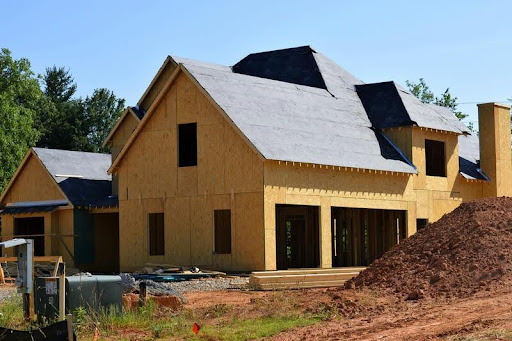
Framing in progress: A two-story structure begins to take shape with wood as the primary building material.
Your no-nonsense guide to smart building choices
Whether you’re planning a major remodel, building your dream home from the ground up, or just fixing up a small shed in the backyard, one question always pops up: how do you choose the right construction materials? It sounds simple, pick what looks good and holds up, right?
Well… not quite.
Material choice is one of the most important decisions you’ll make in any construction project. It affects your budget, your timeline, the look of your space, and how long it all lasts before repairs kick in. So if you’ve been scratching your head, wondering where to even start, you’re not alone, and you’re in the right place.
Let’s break it down.
What should you know about your project before choosing materials?
Before you dive into comparing wood vs. steel or vinyl vs. fiber cement, you’ve got to understand your own project. Not all builds are created equal.
Ask yourself:
- Is this structure load-bearing or just decorative?
- Will it be indoors, outdoors, or exposed to the elements?
- Do you need the materials to be fire-resistant, insulated, or soundproof?
And most importantly, what’s your goal? Are you going for aesthetics, longevity, cost-efficiency, or all of the above?
If you’re working on a home addition in the Midwest, you’ll have different needs than someone building a rental unit in the desert Southwest. Your climate, local codes, and project size all matter here.
What factors should you consider when picking construction materials?
There are five main areas to think about. Skip one, and you might regret it down the line.
1. How long will the material last?
Durability is huge. Some materials look great at first, but can’t handle rough weather or daily wear and tear. Others might be more expensive upfront, but save you tons over time because they last decades without much upkeep.
Materials exposed to the elements, like roofing, siding, or decking, must be able to resist water damage, UV exposure, pests, and even freeze-thaw cycles in colder states.
2. Does it suit your local climate?
One of the most overlooked (and costly) mistakes is choosing materials that don’t match the climate.
Hot, humid states? Think mold and moisture-resistant options. Cold winters? You’ll need materials that insulate well and can handle snow and ice. Wildfires, earthquakes, hurricanes? Yep, there are specific materials rated for those hazards, too.
The best construction materials for your climate will reduce maintenance, lower energy bills, and boost long-term value.
3. What’s your budget, and what’s the true cost?
Everyone’s got a number in mind. But material cost is more than just the price tag at checkout.
Think bigger:
- Will it require specialized labor to install?
- Does it need expensive upkeep over time?
- Is it available locally, or do you need to ship it in?
According to HomeAdvisor, the average cost of materials makes up about 50% of a construction budget. And some materials, especially eco-friendly or custom-made ones, can double that portion if you’re not careful.
4. Is the material sustainable or eco-friendly?
More and more homeowners are looking to reduce their environmental footprint. Green building materials aren’t just good for the planet, they can improve indoor air quality, qualify for tax credits, and even boost property value.
Look for:
- Recycled or recyclable materials
- Low-VOC paints and adhesives
- Renewable resources like bamboo or cork
- Energy-efficient insulation and roofing
And hey, local sourcing counts too. If you can buy nearby, that cuts down on emissions from transport and supports your regional economy.
5. How easy is it to install and maintain?
Some materials might look great on paper but require pro-level skills or ongoing maintenance that becomes a headache.
If you’re doing a DIY project or managing a tight timeline, opt for materials that are easy to work with and low-maintenance. Time saved on installation = money saved overall.
What are the pros and cons of common construction materials?
Let’s zoom out and look at some major categories you’ll come across again and again.
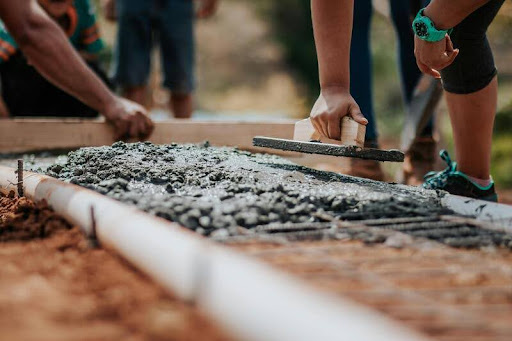
Concrete
- Pros: Extremely durable, fire-resistant, good for foundations and floors
- Cons: Heavy, requires skilled labor, not very insulating on its own
Wood
- Pros: Easy to work with, renewable, versatile for framing and finishes
- Cons: Can rot or attract pests if not treated, not great in humid or wet areas
Steel
- Pros: Strong, long-lasting, fire-resistant, low-maintenance
- Cons: Conducts heat and cold easily, expensive, can rust if not treated properly
Masonry (brick, block, stone)
- Pros: Durable, energy-efficient, fireproof
- Cons: Labor-intensive, heavy, not ideal for areas prone to earthquakes
These are just snapshots, but they help when you’re comparing material types based on use, performance, and environment.
What about finishing materials?
Interior and exterior finishes often get treated like an afterthought. Don’t fall into that trap.
Paints, tiles, flooring, and cladding must work with your structural choices, withstand your daily wear, and fit your personal style.
For example, slippery floors might look sleek, but they’re not great for homes with kids or older adults. And that super-cheap paint? It might peel in a year, costing you more to redo.
Always choose finishes that hold up to your lifestyle, not just your budget.
How do you balance looks with function?
This is where things get tricky: aesthetics vs. performance. Ideally, your materials should do both.
The good news? More modern options check both boxes. You can get siding that looks like natural wood but resists rot and bugs. Or flooring that mimics hardwood but won’t warp in humid weather.
Don’t be afraid to prioritize performance where it counts (think structure, insulation, weatherproofing) and bring in style through visible finishes and accents.
Remember: form follows function.
What building codes or rules do you need to follow?
No matter how perfect your materials seem, if they don’t meet local building codes, they’re a no-go.
Every U.S. state, and often each city or county, has its own rules for what materials can be used, especially in load-bearing structures, insulation, roofing, and electrical systems.
Some common requirements to check for:
- Fire ratings
- Load-bearing certifications
- Energy efficiency ratings (like R-value for insulation)
- Non-toxic or mold-resistant materials in sensitive areas (bathrooms, basements)
Always double-check with your contractor or local building department. A simple oversight here could delay your project, or worse, make it non-compliant.
Should you talk to a pro before you decide?
In many cases, yes.
Even if you’re a seasoned DIYer, consulting with a contractor, architect, or engineer can help you avoid costly mistakes. They’ll know which materials have worked well in your area, which ones to avoid, and how to get the most out of your budget.
Pro tip: Ask for a material list estimate upfront, and review it line by line. It’s one of the easiest ways to catch red flags before you buy.
Final tips for choosing construction materials wisely
Before you head to the supply store or place that online order, run through this quick checklist:
- Is it suitable for my climate and use?
- Does it fit my budget, including long-term costs?
- Is it easy to install or maintain?
- Does it meet local building codes?
- Do I love how it looks and performs?
If you can check off all five, you’re in a great spot.
FAQs: Choosing Construction Materials for Your Project
What’s the best way to choose construction materials for a home build? Start by assessing your location, budget, and project type. Then prioritize materials that balance durability, energy efficiency, and aesthetic value.
Why is climate so important when selecting building materials? Climate affects how materials perform over time. Humid, dry, cold, or hot conditions can wear down the wrong materials quickly, costing you more in repairs or replacements.
How can I tell if a material is eco-friendly? Look for certifications like ENERGY STAR, GREENGUARD, or FSC. Check if it’s recyclable, renewable, or locally sourced to reduce its environmental impact.
Are expensive materials always better? Not necessarily. Some budget-friendly options offer great performance and durability. The key is to understand long-term value, not just upfront cost.
Can I mix different materials in one project? Absolutely. Many projects blend materials to meet both functional and design goals, just make sure they’re compatible and structurally sound together.
Ready to build smarter?
Choosing the right construction materials doesn’t have to feel overwhelming. Once you understand your project, weigh the key factors, and do a bit of planning, you’ll be well on your way to a build that looks great, performs even better, and lasts for years to come.
Have questions or tips from your own building experience? Drop them in the comments or share this guide with someone planning a project; they’ll thank you later.
About the Author