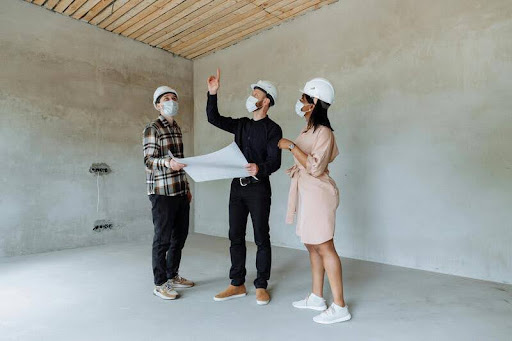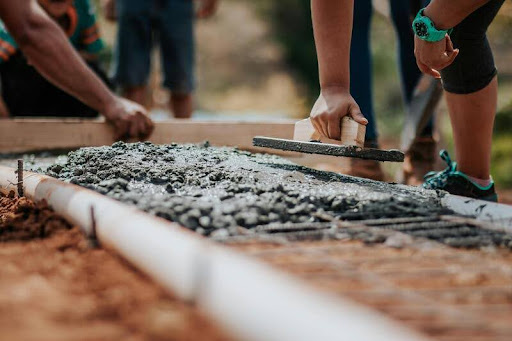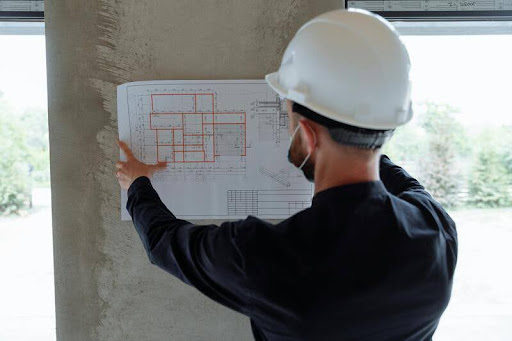
Laying the groundwork—an engineer reviews floor plans to keep the project on schedule.
If you’re getting ready to start a construction project, whether it’s a home build, renovation, or commercial space, you’ve probably asked yourself this:
How long is this actually going to take?
It’s a good question. Because in construction, time is money. And more often than not, timelines get thrown off. Materials show up late. Permits take forever. The weather doesn’t cooperate. And suddenly, what was supposed to be a three-month project turns into six.
That’s why planning a clear, realistic construction timeline is one of the smartest things you can do before breaking ground. In this guide, we’ll walk you through exactly how to map out your timeline from start to finish, step by step, so you stay on track, avoid surprises, and get to the finish line with your sanity intact.
Let’s break it down.
What’s the first step in planning a construction timeline?
Start by defining the scope of your project.
Before you can set any kind of schedule, you need to know what you’re building. Seems obvious, right? But a lot of delays happen because the project scope wasn’t fully nailed down in the beginning.
Ask yourself:
- What exactly are you building or renovating?
- How big is the space?
- Are there structural changes involved?
- Will you need permits, inspections, or zoning approvals?
The more specific you get here, the easier it’ll be to estimate the time for each stage. If you’re building in the U.S., don’t forget that some counties or cities take weeks (or months) to approve permits. That needs to be factored in upfront.
What are the major phases of a construction project?
Break it down into clear, manageable stages.
Most construction projects, big or small, follow a similar flow:
- Pre-construction: Planning, budgeting, hiring contractors, and getting permits.
- Design: Working with an architect or designer to create blueprints or layouts.
- Procurement: Ordering materials, securing supplies, and lining up labor.
- Construction: The actual building phase, from site prep to finishing touches.
- Post-construction: Final inspections, cleanup, and move-in readiness.
Creating a timeline around these phases helps you stay organized. Think of it like a roadmap; you’re less likely to get lost if you know the major stops ahead of time.
How do you estimate how long each phase will take?
Be realistic and build in some breathing room.
Every project is different, so there’s no one-size-fits-all timeline. But you can create a solid estimate by asking the right questions:
- How long does permitting take in your area?
- Are you building in winter or during peak construction season?
- Are your materials in stock, or do they need to be special-ordered?
- How available are your contractors?
Here’s a pro tip: Always add buffer time. Things go wrong. Stuff gets delayed. Weather happens. Most experts recommend adding 10–20% extra time to each phase, just in case.
If you think framing will take three weeks, plan for four. If you expect materials to arrive in 10 days, assume 14. It’s better to be pleasantly surprised than completely thrown off schedule.
Why are milestones so important in a construction schedule?
Because they help you track progress and catch delays early.
Think of milestones as mini-deadlines within your bigger timeline. They mark key points in the project, like:
- Permit approval
- Foundation poured
- Electrical rough-in complete
- Final inspection passed
Without milestones, it’s hard to tell if you’re ahead, behind, or right on track. They also make it easier to communicate with your team; everyone knows what needs to happen and when.
Milestones help keep momentum going. And when things do slip (because let’s face it, they will), you’ll catch it faster and adjust more easily.
What’s the best way to create a visual construction timeline?
Use a Gantt chart or project management tool.
Seeing your project laid out visually makes a huge difference. Gantt charts are a favorite in the construction world because they show timelines, task durations, dependencies, and overlaps all in one place.
You can create one using:
- Excel or Google Sheets (good for small projects)
- Trello or Asana (simple project tracking)
- Buildertrend or CoConstruct (designed for contractors and homeowners)
Most tools let you assign tasks, track progress, and share updates with your team. That means your contractor, electrician, plumber, and even your spouse can stay in the loop without constant back-and-forth texts.
How do you make sure contractors stick to your timeline?
Coordinate early, and often.
Clear communication with your contractor is everything. That includes:
- Confirming availability before setting deadlines.
- Getting a detailed work schedule from them (not just a start date).
- Understanding how long each crew needs on-site.
- Asking how they handle delays or overlapping jobs.
One smart move? Schedule regular check-ins, maybe weekly or bi-weekly, to review the timeline, flag any issues, and adjust as needed.
Having everyone on the same page reduces confusion and keeps things moving.
How do you deal with delays and timeline changes?
Plan for them before they happen.
Let’s be honest: even the best-planned timelines hit a bump. Maybe your framing crew gets COVID. Or your kitchen cabinets are stuck at a port. Or a surprise inspection shuts things down for a week.
That’s why flexibility matters.
Here’s what you can do:
- Build in contingency time from the start.
- Keep communication open with suppliers and subs.
- Track progress regularly so you spot delays early.
- Adjust your expectations and timeline when needed, without panicking.
Being proactive is the difference between a small hiccup and a full-blown derailment.
What are common mistakes to avoid when planning a timeline?
Don’t let optimism override preparation.
Here are a few timeline traps to watch out for:
- Underestimating time for inspections, deliveries, or custom work.
- Skipping buffer periods between trades (like giving your painter a day instead of a week).
- Failing to confirm the availability of contractors before setting start dates.
- Overlapping tasks that should happen sequentially (e.g., trying to install flooring before drywall).
The key? Don’t rush. A solid plan beats a fast plan every time.
Final Thoughts: Why a Strong Timeline Matters
When you plan your construction project timeline the right way, you save yourself a ton of stress. You keep your crew organized, your budget tighter, and your expectations realistic.
It won’t eliminate every delay (because, well, this is construction), but it will give you the tools to roll with the punches and still get to the finish line in one piece.
So before you grab that hammer or call the concrete truck, take a few hours to plan out your timeline. You’ll thank yourself later.
Quick Construction Timeline FAQ (Schema-Ready)
How long does it take to plan a construction project timeline? Most timelines can be built in a few focused hours, but larger projects may need several days to coordinate with contractors and stakeholders.
What tools are best for building a construction project timeline? Gantt charts, Google Sheets, or platforms like Buildertrend and CoConstruct work well for visual scheduling and task tracking.
How much buffer time should I add to a construction timeline? Experts recommend adding 10–20% buffer time to each project phase to account for unexpected delays.
Can I change my construction timeline once work starts? Yes, timelines should be flexible. Revisit and adjust the plan regularly based on progress, delays, or scope changes.
What causes most construction delays? Common culprits include permitting issues, weather, material shortages, and labor availability.
Ready to Start Planning?
If you’re gearing up for a construction project, take time to map out your timeline before the first nail gets hammered. The more intentional you are upfront, the smoother things will go down the road.
Got a question about building schedules? Drop it in the comments or share your timeline tips; we’d love to hear from you.
About the Author