Planning every detail—accurate construction cost estimates start here.
Ever tried to budget for a construction project and ended up way off? You’re not alone. Whether you’re building a home, planning a remodel, or overseeing a new commercial space, one thing’s for sure: estimating construction costs accurately is no walk in the park.
But it doesn’t have to be a nightmare either.
In this guide, we’ll walk you through how to estimate construction costs accurately from start to finish. We’ll keep it simple, practical, and, most importantly, real. You won’t find any sales pitches or confusing jargon here, just clear steps to help you take control of your construction budget.
What’s the First Step to Estimating Construction Costs? Understand Your Project Scope
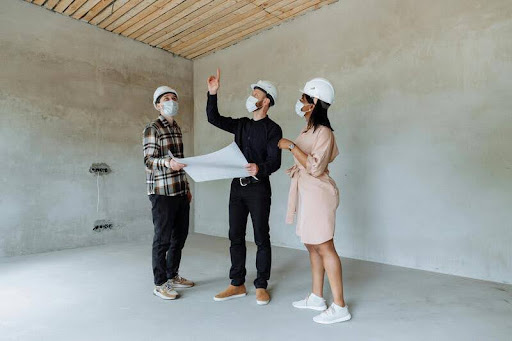
Before you can even think about numbers, you need to define what you’re building. Scope is everything. It’s the difference between a small garage project and a full two-story house with a finished basement.
Start by answering a few key questions:
- What type of project is this? (Residential, commercial, renovation?)
- How big is it?
- What’s the purpose of the space?
- Do you already have architectural plans?
When your scope is fuzzy, your cost estimate will be too. So take the time to get crystal clear on the vision, you’ll thank yourself later.
How Do I Break Down Construction Costs? Know the Main Categories
Construction costs usually fall into a few major buckets. Breaking your budget into clear, manageable categories makes it way easier to track and adjust as needed.
Here are the key ones:
- Materials
- Labor
- Equipment
- Permits and inspections
- Site prep
- Overhead
- Contingency (for those “just in case” moments)
Think of these as your building blocks. Get these right, and the rest of your estimate will come together much more smoothly.
What Materials Should I Include in My Estimate? Everything You Plan to Use
Here’s where people tend to underestimate. They forget things like nails, finishes, delivery fees, or waste material. It adds up fast.
Make a detailed materials list and don’t just list the big-ticket items like lumber or drywall. Include everything, flooring, plumbing fixtures, insulation, tile grout, paint, caulking, fasteners, you get the idea.
It’s also smart to research current pricing trends. For example, according to the National Association of Home Builders, material costs rose nearly 30% between 2020 and 2022, and while prices have stabilized, they’re still unpredictable.
Building in some wiggle room helps.
How Do You Estimate Labor Costs in Construction? Know Your Crew and Their Rates
Labor usually takes up a big chunk of the budget, often 30% to 50%. To estimate it correctly, you need to know:
- Which trades are needed (electricians, framers, plumbers, etc)
- How many hours or days will each job take
- What each worker charges per hour or day
Keep in mind that specialty trades typically cost more. Also, remember that skilled labor shortages across the U.S. have driven wages higher, especially in metro areas. According to the Bureau of Labor Statistics, the average hourly wage for construction workers hit $29.34 in early 2025, and that’s not including skilled specialists.
Don’t forget to factor in potential overtime, downtime, or weather delays.
Do I Need to Budget for Equipment and Tools? Absolutely
Even if you’re not buying heavy equipment, you’ll probably need to rent tools or machinery. This can include things like:
- Excavators or skid steers
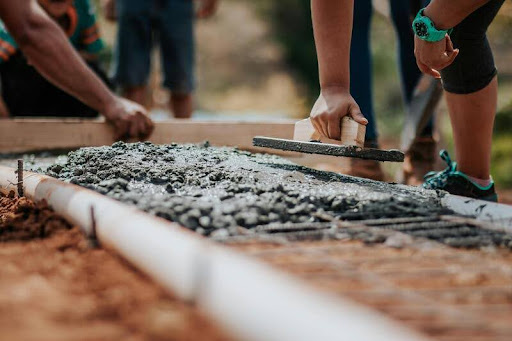
- Concrete mixers
- Power tools
- Scaffolding
Get quotes for rental periods that match your schedule. And yes, don’t forget accessories, fuel, transport, and maintenance.
What Permits and Fees Should I Include? Check Local Requirements
In the U.S., building permits can range from $500 to over $5,000, depending on your location and project size. And that’s just the start. You might also need:
- Zoning approvals
- Environmental or energy compliance
- Utility hookups
- Safety inspections
Failing to include these costs upfront can seriously derail your timeline, not to mention your budget. Always check with your local building department early in the process.
Why Is Site Preparation So Expensive? It’s Often More Work Than You Think
Even if your lot looks “ready,” prepping a site takes time and equipment. Think grading, clearing, demolishing existing structures, hauling debris, or dealing with difficult soil.
Then there’s temporary site infrastructure, like fencing, porta-potties, dumpsters, and access roads. These aren’t glamorous expenses, but they’re essential and often overlooked.
How Much Should I Set Aside for Overhead and Profit?
Contractors and builders have to cover business costs, just like any other industry. That means your estimate should account for:
- General liability insurance
- Office expenses
- Project management
- Legal/accounting fees
On top of that, add a reasonable profit margin, usually 10–20%, depending on the size of the project and market conditions.
If you’re managing the build yourself, some of these might not apply, but you’ll still want to pay yourself for your time.
What’s a Good Contingency Budget for Construction? Plan for the Unknown
No matter how solid your estimate is, surprises happen. Materials get delayed, pricing changes, or you run into unexpected structural issues.
That’s why it’s smart to include a contingency fund of 5–15%. If things go smoothly, great, you just saved money. But if not, you’ll be prepared.
Should I Use Construction Estimating Software? It Can Make a Big Difference
If spreadsheets aren’t your thing, there are plenty of tools out there that can help. Software like Buildertrend, CoConstruct, or RSMeans Data offers pre-built templates, real-time pricing updates, and integration with project timelines.
These tools can speed things up and help you avoid costly errors, especially for larger or more complex jobs. Just make sure you’re not relying entirely on default settings; customize for your project.
When Should I Update My Construction Cost Estimate? More Often Than You Think
A construction estimate isn’t “set it and forget it.” Your numbers should be reviewed regularly, especially:
- After design changes
- When materials or labor costs shift
- Before key project milestones
Set calendar reminders or use project management software to prompt updates. This keeps your budget aligned with reality and helps avoid those budget blowups no one likes.
Wrapping It Up: Estimating Construction Costs Doesn’t Have to Be a Guessing Game
Let’s be real, construction can get expensive fast. But the better you plan, the more you stay in control.
Here’s a quick recap of what you need to do:
- Nail down your project scope
- Break costs into clear categories
- Create a detailed materials and labor plan
- Include equipment, permits, site prep, and overhead
- Add contingency funds for the unexpected
- Use tools to streamline the process
- Keep your estimate updated regularly
Sounds like a lot? It is, but it’s worth it. A solid estimate can save you time, money, and major headaches down the road.
Quick FAQ: Construction Cost Estimating Basics
Q: What is the most accurate way to estimate construction costs? A: Break your project into categories (materials, labor, etc.), use current pricing data, and review regularly. Estimating software can also improve accuracy.
Q: How much should I add for contingency in a construction budget? A: A 5–15% contingency is common, depending on project complexity and risk.
Q: Why do construction projects go over budget? A: Scope changes, poor planning, material price hikes, and underestimating labor are the usual suspects.
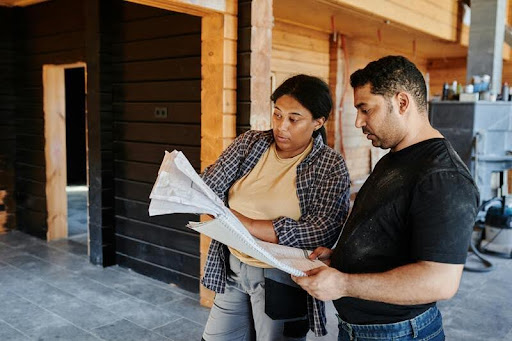
Q: Can I estimate construction costs without an architect? A: Yes, but it’s harder. Clear drawings and specifications make estimates far more accurate.
Q: Are online construction calculators reliable? A: They’re a good starting point, but they’re often too general. Customize them for your location and project details.
Ready to Tackle Your Construction Budget?
Now that you know how to estimate construction costs accurately, take the next step: start building your estimate today. Whether you’re working with a contractor or going DIY, the more informed you are, the better decisions you’ll make.
Got questions or need help walking through a step? Drop a comment or send a message, we’re here to help you build smarter.

About the Author