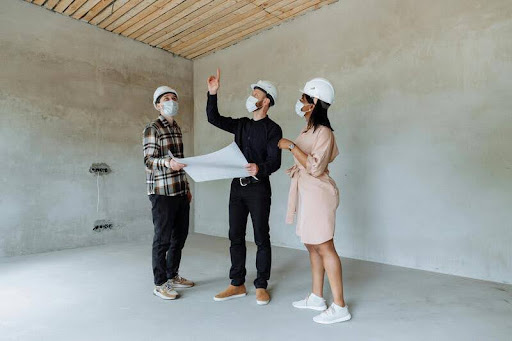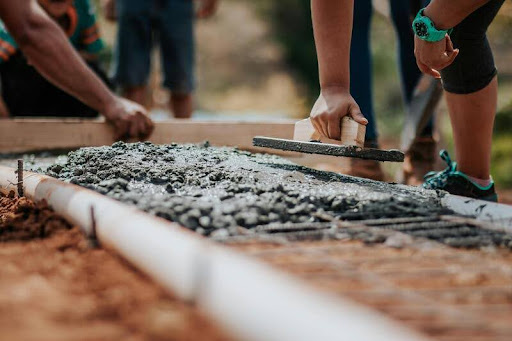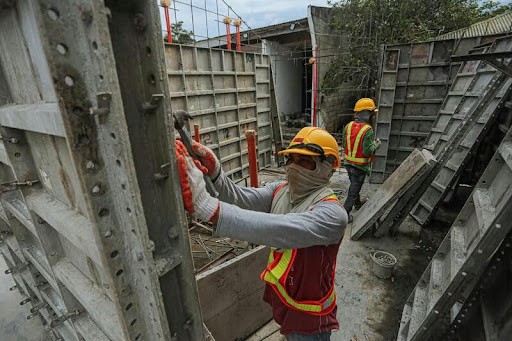
Keeping the build on track—crew members in action at a busy construction site
Delays in construction projects are more than just frustrating; they’re expensive, stressful, and can throw your entire timeline off track. Whether you’re building a new home, remodeling a space, or managing a large-scale development, one thing’s for sure: time is money.
But why do construction projects so often run behind schedule? And more importantly, what can you actually do to keep things moving?
Let’s break down the most common reasons for construction delays and walk through simple, realistic ways to avoid them.
What causes construction delays most often?
The short answer: poor planning, unexpected costs, paperwork hold-ups, weather, labor issues, and material shortages. But let’s dig into each one, because understanding why delays happen is the first step in stopping them before they start.
1. Is poor planning really that big of a deal in construction?
Yes, and it’s one of the top causes of delays.
Think of a construction project like a massive puzzle. If you don’t map out how all the pieces fit together ahead of time, it’s easy to end up stuck. Maybe a task was scheduled before the materials arrived. Or maybe one trade can’t start because another is still finishing up.
Even small oversights in your timeline can cause a ripple effect. And unfortunately, once you fall behind in construction, catching up is tough.
How to avoid it: Use a detailed project schedule that accounts for every phase, from permits to punch list. Tools like Gantt charts or software like Buildertrend or CoConstruct can help you see task dependencies and flag potential overlaps. And always build in a little buffer time, things rarely go exactly as planned.
2. Why do budget problems delay construction so often?
Because when the money stops, everything stops.
It’s not just about running out of cash. It’s also about poor cost estimates, rising material prices, or delayed payments to subcontractors. If one part of the financial chain breaks, progress stalls.
According to a 2024 survey by the Associated General Contractors of America, over 30% of construction professionals reported budget overruns in the past year, largely due to inflation and miscalculations.
How to avoid it: Start with a solid, realistic budget, and then add 10–20% as a contingency. Review costs regularly with your contractor, track payments closely, and try to lock in pricing for major materials when possible.
3. How do permits and regulations slow down projects?
Red tape can bring your timeline to a grinding halt.
Permits, inspections, and zoning approvals take time, and if you’re not on top of the paperwork, your whole project can sit idle. Worse, failing to comply with local codes can lead to fines, stop-work orders, or costly re-dos.
How to avoid it: Research early. Every city or county has different permit requirements, so contact your local building department well in advance. Have all the necessary documents ready before submission, and check in regularly on your application’s status. Staying proactive keeps things moving.
4. What happens when there aren’t enough workers on site?
You wait. And wait. And wait.
The U.S. construction industry has been facing a skilled labor shortage for years, and it’s not getting better overnight. If key tradespeople aren’t available when you need them, or worse, if they’re double-booked, your project can fall behind fast.
How to avoid it: Before breaking ground, confirm your contractor’s labor availability and backup plans. Try to schedule trades sequentially, not all at once. And if you’re the one hiring subcontractors, give them clear start and end dates up front.
5. Can bad weather delay a construction project?
Absolutely, and sometimes there’s nothing you can do about it.
Rain, snow, wind, and extreme heat can stop outdoor work in its tracks. Even minor weather events can delay drying times for concrete, impact roofing schedules, or damage materials.
How to avoid it: You can’t control the weather, but you can plan for it. Build a few extra days into your timeline for potential weather delays. Monitor forecasts weekly and have a plan to shift indoor work forward if needed.
6. Why do materials take so long to arrive sometimes?
Shipping delays and supply chain issues are still a thing.
Long lead times, backorders, or damaged shipments can hold up entire phases of construction. Imagine everything’s ready for drywall installation, except the insulation hasn’t arrived.
How to avoid it: Order critical materials early, especially custom items or anything coming from overseas. Confirm estimated delivery dates in writing, and maintain close communication with suppliers. If possible, have backup options or alternative products in mind.
7. What is scope creep, and why does it delay construction?
Because every change adds time, and sometimes chaos.
Scope creep happens when the original project plan keeps expanding. Maybe you decide to upgrade all your flooring halfway through.
Or maybe someone keeps changing the bathroom layout. These shifts might seem small, but they often require rework, re-approvals, and more time.
How to avoid it: Finalize your design choices before work starts. Changes cost time and money, so weigh each one carefully. If a change is unavoidable, document it formally, update your schedule, and adjust the budget accordingly.
8. How does bad communication cause project delays?
If people aren’t on the same page, things fall apart.
Misunderstandings between owners, contractors, subs, or inspectors can lead to incorrect work, missed deadlines, or rework. Delays often stem from something as simple as an unanswered email or unclear instructions.
How to avoid it: Establish clear communication channels from day one. Weekly check-ins, whether in person or virtual, help keep everyone aligned. Use shared calendars or messaging apps (like Slack or Trello) to track progress and flag issues early.
9. Can equipment issues cause major slowdowns?
Yes, especially if the right tools aren’t available when needed.
If machinery breaks down or isn’t on site when it should be, certain tasks can’t happen. For example, no excavator? No foundation work.
How to avoid it: Make sure all required equipment is scheduled and inspected before the job begins. Regular maintenance checks reduce the risk of breakdowns. Always have a plan B for essential equipment, whether it’s renting a backup or scheduling flexible time around availability.
So, what’s the best way to prevent construction delays overall?
It all comes down to preparation, communication, and flexibility. The more you plan ahead, stay organized, and keep everyone in the loop, the better your chances of finishing on time, or at least close to it.
And if delays do happen? (Because, let’s face it, something almost always does.) Having a buffer in your timeline and budget will save you stress and money.
Quick Recap: 9 Common Construction Delays & How to Avoid Them
| Cause | How to Avoid It |
| Poor planning | Use detailed schedules and project management tools |
| Budget issues | Build a solid budget with contingency funds |
| Permit/regulation delays | Research early and stay in contact with local officials |
| Labor shortages | Confirm availability and stagger trades |
| Bad weather | Plan for seasonal delays and shift indoor work if needed |
| Material delivery delays | Order early and monitor shipping closely |
| Design changes/scope creep | Finalize plans early and manage changes formally |
| Communication breakdowns | Set up clear check-ins and use shared tools |
| Equipment problems | Inspect and schedule gear ahead of time |
FAQ: Common Questions About Construction Delays
Q: How much delay is normal in a construction project? A: It depends, but delays of 10–20% of the original schedule are common in residential projects. The key is building flexibility into your timeline.
Q: Can you sue for construction delays? A: In some cases, yes, especially if the delay was caused by breach of contract or negligence. Always review your contract terms carefully.
Q: Who is responsible when a project is delayed? A: Responsibility depends on the cause. It could fall on the contractor, the owner, the suppliers, or even the weather conditions. Contracts usually spell this out.
Q: What’s the best software to manage construction timelines? A: Popular tools include Buildertrend, CoConstruct, Procore, and Microsoft Project. Choose one that fits your project size and team style.
Let’s Wrap It Up
Construction delays aren’t always avoidable, but many are preventable. When you take the time to plan carefully, communicate clearly, and prepare for the unexpected, you give your project the best shot at staying on track.
Got a project coming up? Don’t wait until things go sideways; build smart from the start.
Want more tips on planning a successful build? Stick around, we’ve got plenty more guides to help you make confident, informed construction decisions.
About the Author