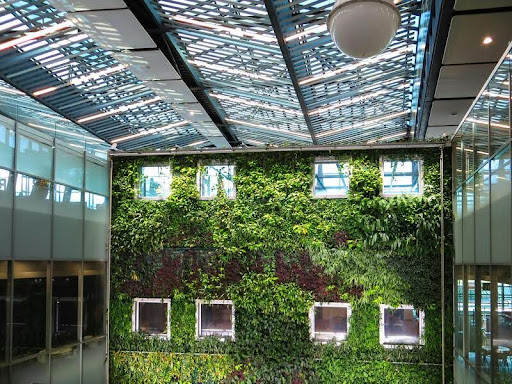
Green walls in action—blending architecture and nature for a more sustainable future.
Have you ever thought about how contemporary buildings can be both technologically advanced and environmentally friendly? Welcome to the realm of green building. It goes beyond just placing solar panels on a roof; it embodies a comprehensive approach to construction, sustainability, and intelligent living. Whether you’re a homeowner, contractor, or simply someone with a concern for the environment, grasping green building practices is increasingly important.
Let’s simplify this topic and delve into how sustainable construction is influencing the future, without getting lost in jargon or complicated concepts.
What Exactly Is Green Building?
Green building refers to the design, construction, and operation of buildings in ways that mitigate environmental impact, conserve resources, and foster healthier environments for individuals. It’s about collaborating with nature rather than opposing it.
Rather than adhering to the outdated “build it quickly and cheaply” philosophy, green construction evaluates the entire lifecycle of a building, from the materials selected to its energy efficiency over the next decade or two.
The objective? Use less energy and water, produce minimal waste, and construct buildings that are beneficial to both people and the planet.
What Qualifies a Building as “Green”?
For a building to be genuinely classified as “green,” it should adhere to several fundamental principles:
Energy efficiency – Consuming less energy through improved insulation, efficient heating and cooling systems, and intelligent lighting.
Water conservation – Minimizing water usage with advanced plumbing and irrigation methods.
Waste reduction – Decreasing both construction and operational waste.
Sustainable materials – Opting for renewable, recycled, or environmentally friendly materials.
Healthy indoor air – Implementing non-toxic materials and enhancing ventilation.
Does it sound overwhelming? It can be, but with proper planning, it’s absolutely achievable.
How Are Green Building Practices Implemented in Modern Construction?
Let’s explore the specific ways this is applied practically.
1. Passive Solar Design and Natural Lighting
Rather than depending solely on artificial lighting and heating, builders strategically place windows, walls, and floors to optimize the use of natural sunlight. This approach helps maintain warmth during winter and coolness in summer, without overburdening the heating and cooling systems.
2. Energy-Efficient Insulation and Windows
Green buildings incorporate advanced insulation and double or triple-glazed windows to lessen the reliance on constant heating or cooling. It’s like wrapping your house in a cozy blanket, one that lowers your energy bill.
3. Low-Flow Fixtures and Smart Water Systems
Saving water is a big deal. Low-flow toilets, faucets, and showerheads cut down usage without sacrificing comfort. Some buildings even use greywater systems to reuse water from sinks or showers for irrigation.
4. Sustainable Building Materials
Think bamboo flooring, recycled steel, or reclaimed wood. These materials use fewer natural resources and produce less waste during manufacturing.
5. On-Site Renewable Energy
Solar panels are the most common option, but wind turbines and geothermal systems are also used depending on the location. These systems can drastically reduce utility dependence and sometimes even allow buildings to sell energy back to the grid.
6. Smart Tech Integration
Modern green buildings often come with automation systems that monitor energy use, adjust lighting and temperature, and alert owners to inefficiencies. It’s like giving your home a brain.
Why Should You Care About Green Construction?
Here’s the deal: Green buildings are good for everyone. And we’re not just talking about tree huggers or tech geeks.
Environmental Benefits
- Cuts greenhouse gas emissions
- Reduces reliance on fossil fuels
- Protects ecosystems and reduces landfill waste
Economic Benefits
- Lower energy and water bills
- Reduced maintenance costs
- Potential for tax incentives and rebates (depending on your state)
Health Benefits
- Better indoor air quality
- Fewer toxins from building materials
- More natural light, which has been linked to better mental health and productivity
Long-Term Property Value
Eco-friendly features are increasingly popular with buyers and renters. Green-certified buildings tend to hold or even increase in value over time, especially in environmentally conscious markets.
What Certifications Exist for Green Buildings?
You’ve probably heard of LEED, right? It’s one of the most well-known green building rating systems in the U.S., but it’s not the only one.
Common Green Building Certifications:
- LEED (Leadership in Energy and Environmental Design) – Widely used in the U.S. to rate a building’s overall sustainability.
- WELL Building Standard – Focuses on health and wellness aspects of indoor spaces.
- ENERGY STAR – Measures energy efficiency for appliances and whole buildings.
- National Green Building Standard (NGBS) – Tailored for residential construction.
- Living Building Challenge – One of the most rigorous green certification programs out there.
These certifications help create a roadmap for builders and developers. They’re not just fancy labels; they guide everything from design decisions to materials sourcing.
What Are the Challenges of Going Green in Construction?
Let’s be real. Building green isn’t always a walk in the park.
Upfront Costs
Yes, green features can cost more at first. High-performance windows, better insulation, and renewable systems often have a higher price tag than conventional alternatives. But, and this is a big “but”, you’re usually saving money in the long run through lower utility bills and maintenance.
Knowledge and Experience Gaps
Not every contractor is up to speed on sustainable practices. Finding experienced builders who really understand green building can take some digging.
Regulations and Red Tape
Depending on where you live, local zoning laws or outdated codes might slow things down. Some areas are more progressive than others when it comes to supporting green initiatives.
Material Sourcing and Supply Chain Delays
Finding sustainable materials isn’t always easy or quick. Sometimes, the greenest option isn’t in stock, or even available locally.
But here’s the silver lining: These challenges are becoming easier to overcome as demand for green construction grows and more resources become available.
What’s the Future of Green Building?
Green construction is no passing trend. It’s the future.
Smarter Tech
From AI-powered energy systems to smart windows that adjust tint based on sunlight, buildings are getting smarter and greener.
Policy and Incentives
Federal and state governments are increasingly offering tax credits, grants, and incentives for green construction. There’s momentum at the policy level that supports sustainable development.
Changing Buyer Expectations
Millennials and Gen Z buyers are more eco-conscious than previous generations. They’re actively looking for homes and workspaces that reflect their environmental values.
The bottom line? Green building is becoming the standard, not the exception.
Quick Recap: Why Green Building Practices Matter
Green building isn’t just about saving the planet, it’s also about saving money, boosting health, and building smarter. By focusing on sustainability from the ground up, modern construction is changing how we think about homes, offices, and cities.
So, the next time you walk into a building that feels cool in the summer, uses minimal power, and just feels better to be in, you’ll know it’s probably been built the green way.
FAQs: Green Building Practices in Modern Construction
What are the main green building techniques? Energy-efficient design, passive solar layout, water-saving fixtures, sustainable materials, and smart systems are some of the most common green building practices.
Is a green building more expensive? It can be more expensive upfront, but most green features pay off over time with energy savings, lower water bills, and reduced maintenance costs.
What is the purpose of LEED certification? LEED helps guide and rate a building’s sustainability performance. It encourages practices that save energy, use fewer resources, and improve indoor environments.
Can I build a green home without going fully off-grid? Absolutely. You don’t have to go off the grid to be green. Even small steps, like using energy-efficient appliances or low-flow faucets, make a big difference.
Why is green building important for the environment? It reduces carbon emissions, conserves resources, and helps fight climate change, all while improving the quality of life for people who live and work in those buildings.
Final Thoughts
Thinking about building or renovating? Take a minute to consider green practices. Whether you go all-in with solar panels and recycled materials or just start small with better insulation and smart thermostats, every step counts.
Got questions about making your space more sustainable? Let’s chat in the comments, because the future of construction isn’t just about what we build, but how we build it.
About the Author