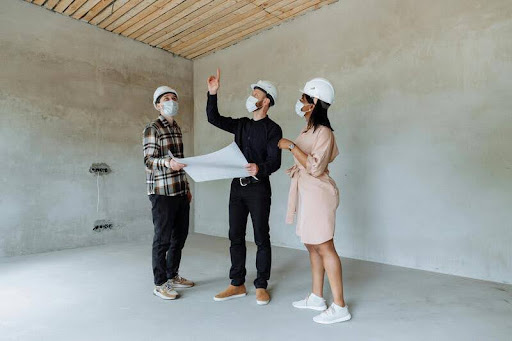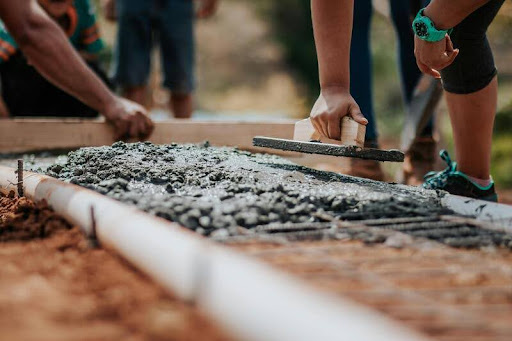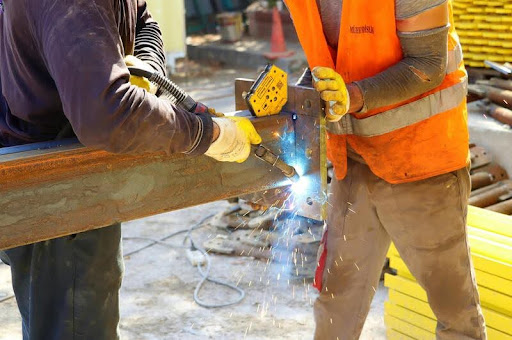
Safety in action—workers suited up in proper protective gear to get the job done right
Construction sites are busy, high-risk environments where safety can’t be an afterthought. With the constant movement of people, equipment, and materials, it only takes one missed step or rule for things to go seriously wrong. So how do you manage construction site safety effectively without making it feel like an impossible juggling act?
In this post, we’re breaking it down into real, doable steps. No fluff. Just smart, practical advice for keeping your crew safe, your project running, and your mind at ease.
Let’s dig in.
What Are the Most Common Hazards on a Construction Site?
To manage site safety, you’ve got to know what you’re up against. Construction sites come with a laundry list of potential dangers, some obvious, others not so much.
The most common construction site hazards include:
- Falls from ladders, scaffolding, or rooftops
- Struck-by incidents, like being hit by moving equipment or falling tools
- Caught-in/between accidents, often involving machinery or collapsing trenches
- Electrical hazards, from exposed wires or contact with power lines
- Respiratory risks, like inhaling dust or chemicals
According to the U.S. Occupational Safety and Health Administration (OSHA), the “Fatal Four”- falls, struck-by, caught-in/between, and electrocutions- account for more than 60% of construction worker deaths annually.
Knowing these dangers upfront is your first line of defense. The more aware your team is, the more alert and prepared they’ll be on the job.
How Do You Create a Construction Site Safety Plan?
Every safe jobsite starts with a solid safety plan. Think of it as your roadmap to preventing accidents before they happen.
Here’s what it should include:
- Hazard assessments specific to your site
- Clear safety protocols for each task or area
- Emergency response plans, because things can still go wrong
- Daily checklists and routine inspections
- Designated safety roles (yes, someone needs to own this stuff)
Assign responsibilities early. Make sure everyone, from laborers to site supervisors, knows their role in maintaining safety. And keep the plan visible, updated, and easy to access.
Planning isn’t about red tape; it’s about giving your team the tools to succeed safely.
What Should Be Included in Construction Safety Training?
You can have the best plan in the world, but if your crew doesn’t understand it, it’s not going to work.
Training is where safety takes root.
At a minimum, every construction worker should be trained on:
- General safety practices and company policies
- Site-specific hazards and how to avoid them
- How to properly use PPE (Personal Protective Equipment)
- Emergency procedures and first aid basics
- Lockout/tagout procedures for equipment
- Fall protection and ladder safety
But here’s the thing: training shouldn’t just happen once at orientation. Schedule regular refreshers. Keep sessions short, focused, and interactive. Mix in toolbox talks and quick safety huddles at the start of each shift.
Because let’s be honest: no one remembers a 3-hour PowerPoint from six months ago.
How Do You Enforce Safety Protocols Without Micromanaging?
This is where many project managers struggle. You don’t want to be a safety dictator, but you also can’t just hope everyone does the right thing.
Consistency is key.
Start by making sure safety rules are clearly communicated. That means:
- Posting signage in high-risk areas
- Creating visual reminders like color-coded zones or hazard tape
- Making use of daily checklists for equipment and area inspections
Also, follow up regularly. Do spot checks. Watch how tasks are being performed. Offer feedback on the spot. Correct unsafe behavior kindly but firmly.
And remember, when your team sees you taking safety seriously, they will too.
What Is the Role of PPE on a Construction Site?
Let’s be real: wearing a hard hat or safety goggles isn’t just about following rules; it’s about saving lives.
Personal Protective Equipment (PPE) is your crew’s last line of defense when other safeguards fail. That includes:
- Hard hats
- High-visibility vests
- Gloves
- Steel-toe boots
- Safety glasses or goggles
- Respirators or dust masks
- Hearing protection
Make sure workers aren’t just wearing PPE, but using it correctly. If something doesn’t fit, replace it. If the gear is damaged, discard it. This isn’t the place to cut corners.
You wouldn’t send someone into a storm without an umbrella; don’t send them onto a jobsite without the right protection.
Why Is Monitoring and Reporting So Important?
Accidents don’t just happen out of nowhere. Most times, there are warning signs.
That’s where monitoring comes in.
Set up a system for:
- Daily safety walkthroughs
- Regular audits of procedures
- Tracking near misses, not just actual incidents
- Documenting safety observations in a centralized log
Encourage workers to speak up. Create a no-blame environment where people feel comfortable reporting hazards or close calls.
The more data you collect, the easier it is to spot patterns and fix issues before they become major problems.
How Do You Stay Compliant With Construction Safety Regulations?
If you’re operating in the U.S., OSHA is the gold standard. Failing to follow OSHA regulations can lead to major fines and, worse, preventable injuries.
To stay compliant:
- Keep your OSHA 300 logs up to date
- Ensure permits and licenses are valid and visible
- Post required signage in all the right places
- Train supervisors on regulatory updates
- Prepare for surprise inspections
Want to stay ahead? Subscribe to OSHA’s newsletter or updates. Regulations evolve, and your safety plan should too.
How Do You Build a Culture of Safety on Site?
Here’s the secret sauce: real safety isn’t just about checklists, it’s about culture.
When everyone on your site genuinely believes that safety matters, they’ll naturally act with care. That culture starts at the top.
Lead by example. If management cuts corners, workers will too. Make safety part of everyday conversation, not just a monthly meeting. Recognize safe behavior. Call out the good stuff, not just the mistakes.
Empower your crew to speak up. Safety isn’t a one-way street; it’s a shared responsibility.
Final Thoughts: Safety Isn’t Optional
Managing construction site safety effectively isn’t just about compliance; it’s about care. For your workers. For your clients. For the community around your site.
When safety becomes a mindset, not just a mandate, you’ll see the difference in every detail of your project.
Ask yourself: what’s one safety improvement you can make today? Start there. Because every small step adds up to a safer, stronger site.
FAQ: Construction Site Safety Questions
What is the best way to improve construction site safety? Start with a solid safety plan, provide consistent training, enforce rules clearly, and foster a culture where everyone feels responsible for safety.
How often should construction safety training occur? Initial training is a must, but ongoing safety talks and monthly refreshers help keep safety top-of-mind.
Who is responsible for construction site safety? Everyone plays a role, but project managers, site supervisors, and designated safety officers typically lead the charge.
What PPE is required on construction sites? Common PPE includes hard hats, safety goggles, steel-toe boots, gloves, and high-visibility vests. Requirements vary by task.
How can workers report unsafe conditions? Create a simple, non-punitive reporting system, whether it’s a written log, a mobile app, or a direct conversation with a supervisor.
Ready to Level Up Your Site Safety?
If you’re managing a crew or running your own contracting business, don’t wait for an incident to make safety a priority. Take action now, review your current safety plan, talk to your team, and commit to building a safer jobsite.
Have questions or want to share your own safety tips? Drop them in the comments or get in touch, we’d love to hear what’s working for you.
About the Author