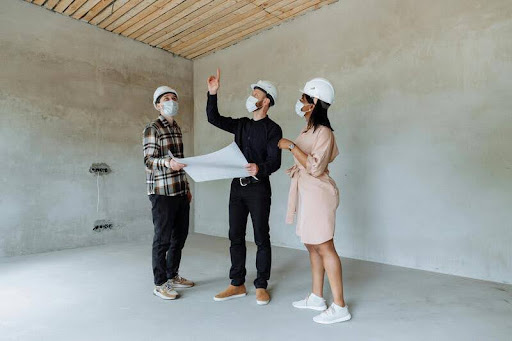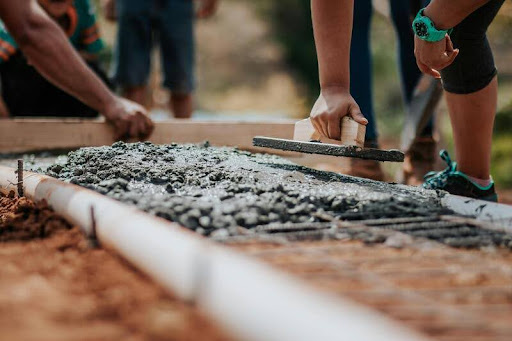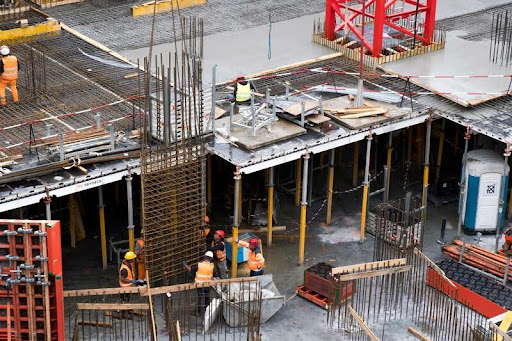
On-site teamwork brings factory-built modules together—one section at a time.
Ever looked at a building going up and thought, “How the heck did that go up so fast?” There’s a good chance it wasn’t built the old-school way. Welcome to modular construction, a method that’s been gaining real traction in the U.S. and beyond.
If you’ve heard the term thrown around but aren’t totally sure what it means, don’t worry, you’re not alone. This post breaks it all down. We’ll walk through what modular construction is, why it’s growing so fast, the perks and pitfalls, and what it could mean for the future of how we build everything from homes to hospitals.
Let’s dive in.
What is modular construction in simple terms?
Modular construction is a way of building where the structure is put together off-site in sections, or “modules,” and then transported to the final location for assembly. Think of it like building with giant LEGO blocks, but for real buildings.
These modules are made in a factory setting, which allows for tight quality control and efficient use of materials. Once built, the modules are transported to the site, placed onto a foundation, and connected together.
This approach can be used for permanent buildings or temporary ones, so whether it’s a long-term home or a pop-up classroom, modular fits the bill.
How is modular construction different from traditional building?
Traditional construction happens on-site from the ground up. Every step, pouring concrete, framing, roofing, finishing, happens in sequence, right where the building will stand.
Modular construction flips the script. The modules are built at the same time as the site is being prepped. That means instead of waiting for the foundation to be finished before starting the rest, workers can do both in parallel.
This saves a ton of time, cuts down on weather delays, and can lead to faster project delivery.
What are the types of modular construction?
There are two main categories:
- Permanent Modular Construction (PMC): These structures are meant to stay put. They follow the same codes and standards as site-built construction.
- Relocatable Modular Buildings (RMBs): These are temporary, portable buildings that can be moved and reused. You’ll often see them used for offices, classrooms, or emergency shelters.
Both types use the same core technique, off-site module construction, but are designed for different needs.
What does the modular construction process look like?
It usually follows this basic flow:
- Design & Planning: Architects and engineers create a detailed plan, usually using Building Information Modeling (BIM) software.
- Off-site Construction: Modules are built in a factory, with plumbing, electrical, walls, and sometimes finishes already installed.
- Site Preparation: Meanwhile, the foundation is poured and utilities are set up at the final site.
- Transportation & Assembly: Finished modules are shipped, lifted into place, and connected.
- Finishing Touches: Any seams are sealed, and final exterior and interior work is completed on-site.
The result? A complete, high-quality building put together in a fraction of the time it normally takes.
Why is modular construction becoming so popular?
There’s no single reason; it’s the combination of speed, savings, and sustainability that makes modular a rising star in the building world.
According to a McKinsey report, modular construction can speed up project timelines by 20% to 50% and cut costs by 20%. That’s a big deal, especially when you consider how expensive and time-consuming traditional construction can be in cities across the U.S.
Here’s what’s really driving the shift:
- Housing shortages: There’s a need for faster, more affordable solutions.
- Labor shortages: Fewer skilled workers are available, so factory-built efficiency matters more than ever.
- Tight project timelines: Developers want to build faster without sacrificing quality.
- Environmental concerns: Off-site construction creates less waste and uses materials more efficiently.
What are the main benefits of modular construction?
Let’s break it down. Here’s what people love about modular:
1. Faster Construction
Projects are completed 30–50% faster in many cases. Since modules and site work happen at the same time, there’s way less downtime.
2. Lower Costs
Fewer delays mean less money spent on labor and equipment. Controlled environments reduce material waste, saving even more.
3. Consistent Quality
Factory construction means the same team, tools, and process every time. That’s hard to guarantee on a job site.
4. Greater Safety
Working indoors removes many of the hazards associated with outdoor construction, including no weather-related delays, less climbing on scaffolding, and safer equipment use.
5. More Sustainable
Modular builds use less energy, create less waste, and often feature energy-efficient materials.
That’s a win for the environment and your bottom line.
What are the downsides or challenges of modular construction?
No building method is perfect. Modular construction has a few drawbacks worth knowing:
- Transportation Logistics: Moving large modules can be costly and tricky, especially in dense urban areas or remote sites.
- Design Limitations: While modular is flexible, it’s not ideal for ultra-custom or unusual designs that can’t be broken down into repeatable sections.
- Code & Permit Challenges: Local building codes don’t always align with factory-built practices, which can slow things down.
- Perception Problems: Some people still think “modular” means “cheap” or “temporary”, though that’s changing fast.
What industries use modular construction the most?
Modular is making waves across many sectors. Some of the most common include:
- Residential housing: Apartments, condos, and single-family homes
- Healthcare facilities: Clinics, medical offices, and emergency rooms
- Education: Modular classrooms and training centers
- Commercial spaces: Offices, hotels, and retail buildings
Its ability to scale and adapt makes modular a go-to option for developers needing speed without sacrificing quality.
What’s the future of modular construction?
The trend shows no sign of slowing down. Industry analysts predict modular construction will make up 10% of all new construction in the U.S. by 2030.
Here’s what to expect in the near future:
- More tech integration: Digital modeling and automation will make designs smarter and production even faster.
- Better materials: Innovations in lightweight, energy-efficient materials will improve performance.
- Urban growth: Cities will lean on modular to meet housing demands quickly and cost-effectively.
Whether it’s student housing, senior living, or office parks, modular is here to stay and grow.
Final thoughts: Is modular construction the future?
It just might be. With so many benefits, speed, cost savings, quality control, and sustainability, modular construction solves a lot of problems that the traditional approach can’t. It won’t replace all types of building, but it’s carving out a solid place in the construction landscape.
Next time you see a building pop up like magic, don’t be surprised; it’s probably modular.
FAQ: Modular Construction Explained
What is modular construction? Modular construction is a building method where sections (called modules) are made in a factory and then assembled on-site.
Is modular construction cheaper than traditional? Often, yes. Modular methods can reduce labor and material costs, making projects more budget-friendly.
How long does modular construction take? It can cut project time by 20–50% compared to traditional builds, depending on the size and complexity.
Can modular buildings be permanent? Absolutely. Many modular buildings are designed to be permanent and meet all standard building codes.
Is modular construction sustainable? Yes. It typically produces less waste, uses fewer resources, and supports greener construction practices.
Ready to Learn More?
Curious how modular methods could impact your next build or project idea? Whether you’re just getting started or knee-deep in construction planning, it’s worth exploring modular as a real option. If you’ve got questions, drop them in the comments. We’re here to help you dig deeper.
About the Author