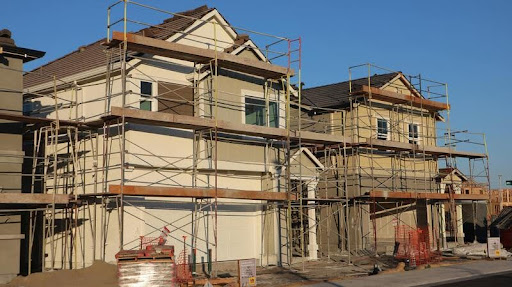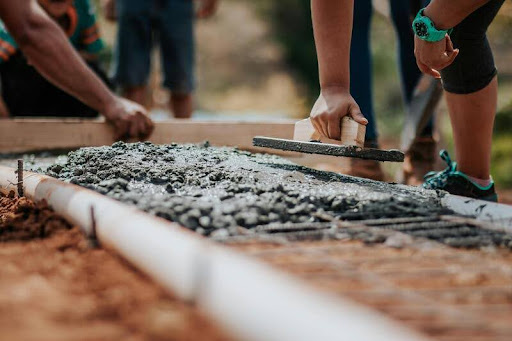
Laying the groundwork—concrete being poured for a new foundation, step one to a stable structure.
Let’s be honest, when you picture building a house or a structure, you probably think about the floor plan, the paint colors, maybe even the kitchen backsplash. But here’s the thing: none of that matters if your foundation isn’t solid. Literally. The foundation is what keeps your building standing strong through weather, wear, and time.
Whether you’re building your dream home, putting up a small office, or just planning something on a budget, choosing the right foundation isn’t a step you want to skip or rush. So let’s break it all down, no engineering degree needed.
What Does a Building Foundation Actually Do?
The foundation holds everything up. Simple as that. It supports the weight of your building and spreads that load evenly across the soil below. But it’s more than just a concrete slab; it’s your structure’s anchor against shifting soil, moisture changes, and movement.
In short: a strong foundation = a safe, long-lasting building.
What Should You Consider Before Picking a Foundation Type?
You can’t just pick a foundation out of a catalog. A bunch of factors come into play, some you might not have even thought about yet. Here’s what to look at before making your choice:
1. Soil Type and Site Conditions Matter (More Than You Think)
Different soils act differently under pressure. Sandy soils drain well but might shift. Clay holds moisture and can expand or contract with the weather. Rocky soil? Tough to dig through, but super stable.
That’s why a soil test is a must, even for small projects. It gives you a detailed report on what’s under the surface, something your contractor or structural engineer will rely on when recommending the best foundation.
2. How Heavy Is the Building Going to Be?
A one-story garage isn’t the same as a two-story brick house. The bigger and heavier the structure, the deeper and more reinforced your foundation needs to be. Think about load-bearing walls, heavy equipment (for commercial spaces), or multiple stories.
This isn’t about overbuilding, it’s about giving your structure what it needs to last.
3. What’s the Climate Like Where You’re Building?
Moisture, temperature changes, and even freeze-thaw cycles can seriously mess with your foundation over time. If you’re building in the northern U.S., where the ground freezes, your foundation needs to sit below the frost line. In warmer or wetter climates, drainage becomes a bigger issue.
In the U.S., frost depth ranges from 0 inches in Florida to over 60 inches in northern Minnesota. So where you live really matters.
4. Is the Land Flat or Sloped?
If your building site is on a slope or uneven terrain, that changes the game. You might need special types of foundations, like stepped footings or piers, to level things out and avoid shifting.
Grading the land is one option, but sometimes it’s smarter (and more budget-friendly) to go with a foundation that works with the slope, not against it.
5. What Do Local Codes Say?
Before you fall in love with a foundation type, check your local building codes. Cities and counties across the U.S. have different requirements based on geography, soil risks, and safety standards. Ignoring this can lead to permit delays or, worse, a failed inspection.
A licensed contractor or structural engineer can help make sure you’re in the clear.
What Are the Main Types of Foundations?
Once you’ve done your homework on site conditions, it’s time to look at the options. Foundations typically fall into two broad categories: shallow and deep.
Shallow Foundations (Good for Smaller, Lighter Structures)
These are built close to the surface, usually less than 3 feet deep. They’re faster and cheaper to install and work well when the soil is stable near the top.
- Slab-on-grade: A single layer of concrete poured directly on the ground. Best for warm climates where freezing isn’t an issue.
- Strip footings: Long, narrow concrete footings that support load-bearing walls.
- Spread footings: Wider bases are used to spread the load from a column or wall over a larger area.
Deep Foundations (For Heavier Loads or Poor Soil)
These go much deeper, anywhere from 10 to 200 feet. They’re used when surface soil isn’t strong enough to hold up the structure.
- Pile foundations: Long cylinders (usually concrete or steel) driven deep into the earth to support the building.
- Pier foundations: Concrete columns poured into holes drilled deep into the ground.
- Caisson foundations: Similar to piers but usually used for bigger, more complex structures.
Each type has its pros and cons, and your site’s conditions will often steer the decision.
How Do You Match the Foundation to the Building?
There’s no one-size-fits-all answer, but here’s a general guide:
- Small, single-story homes in warm, stable areas? Slab-on-grade could be your best bet.
- Building in colder climates? Go deeper, crawlspaces or full basements can protect your structure from frost heave.
- Heavy buildings or poor soil? You’ll likely need piles or piers.
Also, think about long-term plans. Planning to add a second floor someday? Build the foundation for it now, or you could pay double later.
And don’t forget the budget. Deep foundations are more expensive—sometimes double or triple the cost of shallow ones. But cutting corners here can lead to costly repairs down the road.
Why Should You Get a Site Analysis?
A proper geotechnical report (a.k.a. soil test) is like a cheat sheet for your building site. It tells you exactly what you’re working with: soil type, groundwater levels, compaction, and more.
Without it, you’re basically guessing. And guessing wrong can mean foundation cracks, settling, or even structural failure.
In the U.S., a basic residential soil test typically costs between $500 and $2,000, depending on location and complexity. That’s a small price to pay compared to fixing a failing foundation.
What Mistakes Should You Avoid When Choosing a Foundation?
This part’s important, because even smart people make these common missteps:
- Skipping the soil test because it feels like an extra step
- Choosing the cheapest foundation option instead of the right one
- Ignoring water drainage and moisture protection
- Not planning for future additions or changes
- Overlooking the importance of licensed pros in the decision-making process
A good rule of thumb? If you’re unsure, ask. Talk to an architect or structural engineer before the concrete gets poured.
Final Checklist Before You Build
Let’s make sure you’re covered before you break ground:
Soil test complete
Foundation type selected based on site and structure
Local codes and zoning checked
Building plan reviewed with a pro
Moisture management strategies are in place
Budget includes long-term protection, not just upfront costs
Once all that’s done, you’re ready to start building with confidence.
Frequently Asked Questions (FAQ)
What is the most common foundation type in the U.S.? Slab-on-grade is widely used, especially in warmer regions like the South and West, where frost isn’t a big concern.
How deep should a building foundation be? It depends on your location and soil conditions. Shallow foundations can be as little as 12 inches deep, while deep foundations can go over 100 feet.
Is a soil test really necessary for a small house? Yes. Even for small buildings, soil issues can lead to serious structural problems if not identified early.
Can I change my foundation type later? Not easily. Once your foundation is in place, changing it usually means major demolition and expense. It’s best to get it right the first time.
How much does a foundation cost? Costs vary by type and location. A slab foundation might run $ 5–$ 10 per square foot, while deep foundations can cost $ 20 or more per square foot.
Ready to Build Smart?
Choosing the right foundation isn’t the most glamorous part of construction, but it’s absolutely one of the most important. A little research now can save you thousands in repairs later, and make sure the home or building you’re dreaming about actually stands the test of time.
Got questions? Thinking about starting a build soon? Don’t be shy, reach out to a local structural engineer or building inspector in your area. The right advice early on can make all the difference.
About the Author