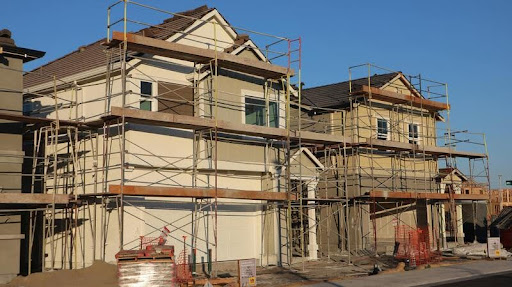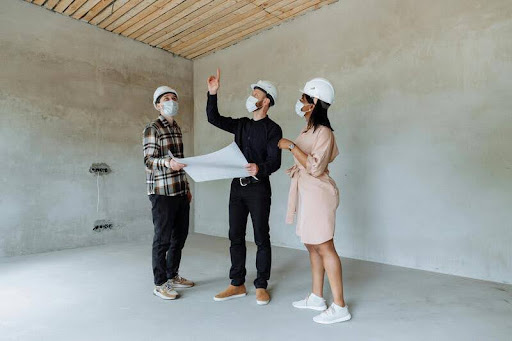
Checking every corner—thorough inspections ensure your new build meets the mark.
So, your new house is almost done. The walls are up, the paint is dry, and the kitchen sparkles. Feels great, right? But hold up, before you break out the welcome mat, it’s time for one more critical step: inspecting your new construction for quality assurance.
Think everything’s perfect just because it’s brand new? Think again. New homes can have defects too, sometimes more than older ones, especially when builders rush to meet tight deadlines. That’s why this guide walks you through how to inspect your new construction, what to look for, and how to make sure your dream home doesn’t come with hidden problems.
Let’s dive in.
What is a New Construction Inspection and Why Does It Matter?
A new construction inspection is your chance to catch mistakes, poor workmanship, or missed steps before you move in. Just because something passed a city inspection doesn’t mean it’s perfect. Code compliance is the minimum standard. You want quality beyond that.
HomeAdvisor reports that over 25% of new homeowners discover at least one major issue within the first year. And here’s the kicker: those issues could have been spotted early with the right inspection.
Your builder might have done their own inspections, sure. But having an independent inspection (or just doing your own walkthrough with a good checklist) gives you peace of mind. Think of it as a final quality check before signing off.
When Should You Inspect a New Construction Home?
There are typically three key times to inspect new construction:
- Pre-drywall stage – when you can still see the framing, plumbing, and electrical
- Before closing/final walk-through – when everything’s finished but you haven’t signed the final paperwork
- Before the builder warranty expires – usually within 11 months
Each phase matters, but if you’re only doing one inspection, the final walkthrough is where you’ll catch visible and functional issues before moving in.
What Should You Do to Prepare Before the Inspection?
Before you grab a flashlight and start tapping walls, take a minute to get organized:
- Gather the paperwork: floor plans, contracts, the specs sheet, and your builder’s warranty info.
- Know your rights: most builder contracts include a final walkthrough, don’t skip it.
- Make a checklist: you’ll want to go room by room, inside and out.
Bonus tip: Bring a notebook or use your phone to take notes and photos. Documentation is your best friend if you need to negotiate fixes.
How to Inspect the Inside of Your New Construction Home
Here’s where you roll up your sleeves. Let’s start inside.
1. Check the structure
Are the walls straight? Do doors and windows open and close without rubbing? Little things like uneven floors or gaps in trim could signal bigger problems. Look up, down, and side to side.
2. Test the plumbing
Run every faucet. Flush every toilet. Check under sinks for leaks or bad sealing. Watch for slow drainage; it might mean clogs or poor installation.
3. Inspect electrical systems
Flip every light switch. Test outlets using a simple tester (you can get one for ). Are GFCI outlets working in the kitchen and bathrooms? Don’t skip the smoke detectors; make sure they’re installed and functioning.
4. Assess HVAC performance
Turn on the heat and AC. Does air flow evenly through every room? Are vents installed in the right spots? Listen for strange noises; rattling ducts could mean poor installation.
5. Evaluate finishes and appliances
Look for cracked tiles, peeling paint, uneven cabinets, or scratched counters. Test appliances, do they work? Is the fridge getting cold? Does the oven heat up? It’s okay to be picky here; this is your forever (or at least long-term) home.
What Should You Look for on the Exterior of a New Home?
Now let’s head outside. The exterior protects your home; don’t ignore it.
1. Inspect the roof and gutters
Use binoculars or a drone if needed. Shingles should lie flat with no gaps. Gutters should be secure and sloped properly for drainage.
2. Review siding and exterior finishes
Look for cracks, misaligned panels, or water stains. These can invite moisture in, and you don’t want to deal with mold later.
3. Examine the foundation
Small hairline cracks are common, but wide or uneven ones can mean trouble. Make sure grading slopes away from the house, not toward it.
4. Walk the driveway and yard
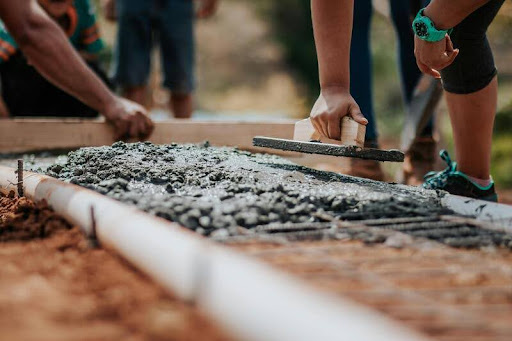
Is the concrete poured evenly? Are sidewalks flat, without tripping hazards? If sod was laid, is it taking root or drying out?
What Are the Most Common New Construction Defects?
Even the best builders make mistakes. Some of the most common new construction issues include:
- Uneven floors or walls
- Loose or misaligned doors and windows
- Cracked grout or tile
- Inconsistent paint jobs
- Missing insulation
- Poor drainage or grading
- Faulty wiring or plumbing connections
Don’t assume any issue is too small to mention. A squeaky floor or misaligned drawer might seem harmless, but it could be a symptom of poor craftsmanship underneath.
Should You Hire a Third-Party Inspector for a New Home?
In a word: yes.
Even if your home passed municipal code inspections, hiring an independent inspector means you get a detailed, unbiased look at the build quality.
A certified home inspector will know what to check, including things most homeowners overlook, like attic ventilation, crawlspaces, and the slope of exterior soil.
According to the American Society of Home Inspectors (ASHI), the average cost of a new construction inspection ranges from $300 to $600. That might feel like an added expense, but compared to the cost of post-move-in repairs? It’s totally worth it.
How Do You Report Problems to the Builder?
You spotted a cracked tile or a door that sticks. Now what?
- Document everything: Take photos and write down the issue, when you noticed it, and where it is.
- Follow up in writing: Email or submit issues through your builder’s customer portal, if they have one.
- Be polite but firm: It’s business. You’re not being difficult, you’re just protecting your investment.
Most builders offer a warranty period (typically one year) for workmanship defects. Don’t wait to speak up.
What Should You Focus On During the Final Walkthrough?
This is your punch list moment. It’s basically a last call for fixes before closing. Bring your checklist and go room by room:
- Turn on every light
- Test every outlet
- Open and close all windows and doors
- Check every surface
- Run every faucet
- Flush every toilet
- Inspect all appliances
- Walk the perimeter
Anything that’s not right should go on your list. If possible, request a re-walk after repairs are done.
What Happens After You Move In?
Once you’ve moved in, keep an eye out. Some problems don’t show up until the home “settles” or goes through a season or two.
Before your builder’s warranty expires (usually around 11 months), do a final inspection again. Walk through everything one more time and report any new issues.
Final Thoughts: Don’t Skip the Inspection, Your Future Self Will Thank You
Inspecting your new construction might feel tedious. It might even feel awkward pointing out flaws in something that’s supposed to be brand new. But trust us, it’s worth every minute. Quality assurance now means fewer headaches later.
Be thorough. Ask questions. Speak up. It’s your home, after all.
FAQs About New Construction Inspections
Should I get a home inspection on new construction?
Yes. Even brand-new homes can have defects. A home inspection gives you a chance to catch problems early and hold the builder accountable.
How long does a new construction inspection take?
Most inspections take 2–4 hours, depending on the size of the home and the depth of the report.
What’s the best time to inspect new construction?
Ideally, you’ll inspect at three points: pre-drywall, before final closing, and before the builder warranty expires.
Do I need a separate inspection for each phase?
It’s not mandatory, but it’s smart. Different phases reveal different issues, pre-drywall shows what’s inside the walls, and the final shows finished work.
Can I use a checklist to inspect my new home myself?
Yes! While a professional is ideal, using a detailed checklist helps you stay organized and thorough during your own walk-through.
About the Author