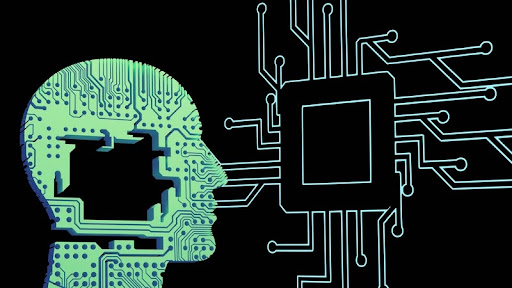
Working in sync: Exploring the intersection of AI and cybersecurity.
Cyber threats continue to escalate, just as artificial intelligence does. The relationship between AI and cybersecurity has become so interconnected that discussing one often involves the other. Whether you’re curious about how AI influences your digital safety or if you’re tasked with safeguarding a business, grasping how these two elements are evolving together in 2025 is crucial.
So what exactly is taking place at the crossroads of AI and cybersecurity? And how does it impact you? Let’s explore.
How Is AI Transforming Cybersecurity in 2025?
AI is accomplishing much more than just automating processes. In the realm of cybersecurity, it is evolving into a vital team member, monitoring for threats, responding instantly, and anticipating attacks before they occur. It resembles having an exceptionally intelligent digital guardian that never rests.
Current AI-powered security solutions can analyze enormous quantities of data more quickly than any human can. This capability enables them to recognize patterns, flag unusual behavior, and detect emerging strains of malware. These resources aid security teams in reacting to threats more swiftly, often autonomously, without waiting for an individual to intervene.
However, it’s not limited to detection. AI is revolutionizing how organizations react to cyber incidents. Consider automated threat isolation, immediate alerts, and adaptive firewalls that learn from prior attacks.
What Are the Risks Associated with AI in Cybersecurity?
Sadly, the very AI tools that protect us can also be exploited by malicious actors. This represents the dual nature of technology.
Cybercriminals are leveraging AI as well, to craft more convincing phishing attacks, identify vulnerabilities more rapidly, and even imitate user actions to bypass standard security measures. One rising concern? Deepfakes. These AI-generated audio and video content are becoming alarmingly lifelike, presenting new opportunities for deception and manipulation.
Additionally, because AI evolves at a rapid pace, it can sometimes behave in unpredictable manners. If a security system relies excessively on AI, there’s a chance of false alerts, overlooked threats, or worse, making critical choices based on inaccurate information.
What Are the Key AI and Cybersecurity Trends in 2025?
Here are several prominent trends that should be on your radar this year:
Predictive threat analysis: AI platforms don’t only respond; they forecast. By examining historical attacks, they can identify systems that could be the next targets.
AI-driven identity and access management: Say goodbye to passwords. AI is facilitating the development of smarter user verification methods, such as behavioral biometrics and adaptive authentication.
Cloud and IoT security: With an increasing number of devices connecting to the internet, AI is being employed to manage traffic within intricate, decentralized systems.
- Proactive defense models: Instead of waiting to be attacked, businesses are using AI to simulate attacks, find vulnerabilities, and patch them ahead of time.
In other words, the goal is to stop attacks before they even get started.
Why Are There Ethical Risks with AI in Cybersecurity?
Here’s the tricky part: just because AI can make decisions doesn’t mean it should.
AI models are only as good as the data they’re trained on. If that data is biased, the results will be too. That could mean certain users get flagged unfairly or that systems fail to recognize threats that don’t fit a known pattern.
And then there’s the privacy question. Some AI tools collect huge amounts of personal data to spot potential risks. But how much data is too much? And who gets to see it?
Finally, we run into accountability. If an AI system screws up, who’s to blame? The developer? Is the company using it? The machine itself? These are the kinds of ethical puzzles that security experts are wrestling with right now.
How Can Individuals Stay Safe in an AI-Driven World?
You don’t have to be a tech whiz to protect yourself. Just being aware of the new risks AI introduces puts you a step ahead.
- Be skeptical of too-good-to-be-true messages: AI-generated phishing emails and scams are getting more convincing.
- Stay updated: Make sure your software and security tools are always running the latest version.
- Use strong, unique passwords (or better yet, a password manager)
- Enable two-factor authentication wherever possible.
- Think twice before sharing personal info online, even if the request seems legit.
It’s all about digital hygiene. Keep things clean, stay alert, and don’t make yourself an easy target.
What Should Businesses Focus on for AI and Cybersecurity in 2025?
For businesses, AI can be a game-changer, but only if it’s handled responsibly.
Here’s what organizations should prioritize:
- Invest in trustworthy AI tools that provide transparency and explainability.
- Train teams to understand and work with AI-based systems.
- Set clear ethical guidelines for how AI is used and what it can access.
- Conduct regular audits to make sure the AI is doing what it’s supposed to.
- Don’t rely solely on automation. Keep human oversight in the loop.
Cybersecurity isn’t just an IT issue anymore; it’s a leadership issue, a legal issue, and a customer trust issue.
What’s the Future of AI and Cybersecurity?
One thing’s clear: AI isn’t going anywhere. It’s going to play a bigger and bigger role in how we keep systems safe.
But that doesn’t mean humans are out of the picture. AI is a tool, a powerful one, but it still needs human insight, ethics, and oversight to work effectively.
The best defense strategy in 2025? A hybrid approach. Let AI handle the heavy lifting and real-time alerts, but keep trained professionals in the loop to interpret, verify, and act.
Final Thoughts: Why This Matters Now
Cybersecurity used to be about keeping your antivirus software up to date. Not anymore. With AI reshaping both how we protect ourselves and how attackers operate, staying informed isn’t optional; it’s essential.
If you’re an individual, be cautious. If you’re a business, be proactive. Either way, don’t wait until something goes wrong to start paying attention.
And if you’re wondering, “How can I keep up with all this tech change?”, you already are, just by reading this.
FAQ: AI and Cybersecurity in 2025
What is the role of AI in cybersecurity? AI helps detect, prevent, and respond to cyber threats faster and more efficiently by analyzing large datasets and identifying patterns.
Can AI be used by hackers? Yes. Hackers use AI to automate attacks, generate deepfakes, and create smarter phishing scams.
Is AI in cybersecurity always reliable? No. AI can produce false positives or overlook novel threats, especially if trained on biased or limited data.
How can I protect myself from AI-powered cyber threats? Use strong passwords, enable 2FA, update your software regularly, and stay skeptical of suspicious emails or messages.
Should businesses rely entirely on AI for cybersecurity? No. AI should support, not replace, human experts. A hybrid model is more effective and safer.
Want to stay updated on AI and cybersecurity tips? Sign up for our newsletter or follow us on social to stay ahead of the curve.
Stay safe out there, digitally and otherwise.
About the Author