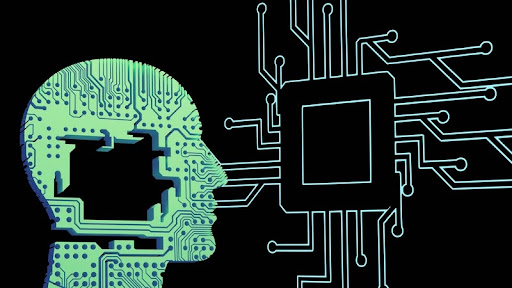
Behind the Brainpower: AI neural networks are powering the rise of intelligent tutors in U.S. classrooms.
Let’s be honest, classrooms have transformed significantly in just the past five years. One of the most notable shifts? AI tutors.
Indeed, artificial intelligence has moved beyond the realm of science fiction. It is now making its way into actual classrooms across the United States, providing tailored assistance to students, alleviating the burden on teachers, and changing the way education is delivered.
So, what’s generating all this excitement? And, more crucially, is it genuinely enhancing student learning?
Let’s dissect the details.
What Exactly Is an AI Tutor?
An AI tutor is a software application driven by artificial intelligence that assists students in their learning by offering customized guidance, feedback, and explanations.
In contrast to a typical app or video tutorial, AI tutors adjust to the individual pace and learning style of each student. Picture them as a digital study partner that understands how you learn best.
These tools are utilized for a variety of subjects, including math, reading, coding, and test preparation. Some function like chatbots that respond to queries, while others resemble interactive games or educational platforms. Regardless, their goal is to support rather than replace human educators.
Why Are AI Tutors Gaining Popularity in U.S. Schools?
Several important factors are driving schools to adopt AI tutors:
Class sizes are increasing, making it challenging for teachers to provide individualized support to each student.
Students have diverse learning styles; AI helps customize lessons to cater to individual needs.
Technological access has improved, with more schools having the necessary devices and internet connectivity to implement AI tools.
The COVID-19 pandemic changed the landscape significantly, prompting schools to explore online learning solutions, thereby opening the door for more technology-driven resources.
Additionally, the emphasis on equity plays a role. AI tutors can provide consistent assistance to students who may lack access to after-school programs or private tutoring.
How Do Students Gain from AI Tutors?
This is where things get intriguing.
One of the main advantages? Personalized learning experiences. AI tutors modify their approach based on a student’s performance. If a learner struggles with a specific type of question, the system will alter its explanation or provide additional practice.
And the feedback? It’s immediate. Students aren’t left waiting for a teacher to assess an assignment or review homework. The AI highlights errors right away, enabling students to correct them instantly.
Other benefits include:
The ability to learn at your speed without any stress.
- Confidence boost for students who are shy or nervous about asking questions in class
It’s like having a tutor on call whenever you need one, without the awkward small talk.
How Do AI Tutors Help Teachers, Not Replace Them?
This is a big concern for a lot of people: Will AI take over the classroom?
Short answer? No.
Teachers still play a central role, but AI tutors can make their jobs more manageable. For example:
- Grading quizzes or assignments can be automated
- Tracking student progress becomes easier with built-in analytics
- Spotting learning gaps is faster when AI highlights which concepts students struggle with
In other words, AI helps teachers be more strategic. Instead of spending hours on paperwork, they can focus on creative lesson planning or giving extra help where it’s needed most.
It’s not about replacing teachers, it’s about empowering them.
What Are the Downsides or Concerns?
As cool as AI tutors sound, they’re not perfect.
One big issue? Data privacy. AI tools collect a lot of information on how students learn, and not everyone is comfortable with that. Schools and developers have to make sure student data is safe and not misused.
There’s also the risk of over-relying on technology. Just because a student has access to AI help doesn’t mean they’re getting a well-rounded education. Human interaction, critical thinking, and hands-on activities still matter.
Other concerns include:
- Access gaps in lower-income communities
- Tech glitches or algorithm bias
- The need for teacher training to use AI tools effectively
Bottom line: AI tutors are a tool, not a magic fix. They work best when used alongside strong teaching and supportive classroom environments.
What Does the Future of AI in Classrooms Look Like?
Here’s where things get exciting, and a little uncertain.
AI tutors are expected to get smarter, more intuitive, and more integrated with classroom routines. Some might even be built into existing learning platforms or used to customize entire lesson plans.
But there’s a catch. Schools will need clear policies to guide how AI is used and how it shouldn’t be used. Ethics, privacy, and equity all have to be part of the conversation.
At the same time, the role of teachers will likely evolve. Instead of being the main source of info, teachers may become more like learning coaches, guiding students through customized learning journeys with help from AI.
Around-the-clock availability for late-night study sessions. It’s not a matter of choosing between technology and educators. It’s about merging the strengths of both.
So, should we feel optimistic or wary? The answer is? A little of each.
AI tutoring is enhancing education by providing flexibility, personalization, and greater accessibility. That’s a significant advantage. However, it also prompts crucial discussions regarding equity, accountability, and the importance of genuine human interaction in the learning process.
If schools, guardians, and teachers approach AI thoughtfully and prioritize students’ needs, this technology has the potential to create classrooms that are more inclusive and productive than ever before.
Wondering how your community school is utilizing AI? Inquire with them. You might be surprised by the answer.
Quick FAQ: AI Tutors in American Education
Q: Are AI tutors taking the place of teachers in U.S. classrooms? A: No. AI tutors are intended to assist teachers, not to substitute them.
Q: In which subjects can AI tutors assist? A: Primarily in math, reading, writing, science, and coding.
Q: Is student data secure when using AI tools? A: It varies by platform. Schools must ensure that appropriate privacy safeguards are implemented.
Q: Can AI tutors operate without an internet connection? A: Most require internet access, although some might offer limited features offline.
Q: Do all students have the same access to AI tutoring resources? A: Not always. Access can differ depending on school funding and geographical location.
About the Author