When machines paint—AI blurs the line between code and creativity.
Let’s dive in! You’ve probably heard of AI-generated art by now, right? Maybe through a viral image online or a chat with a friend. It’s everywhere, and it’s changing the art world fast. But what does that mean if you’re a creator in the U.S.? Let’s talk about that, legally, ethically, and practically. No jargon, just real talk.
What is AI-generated art and why should creators care?
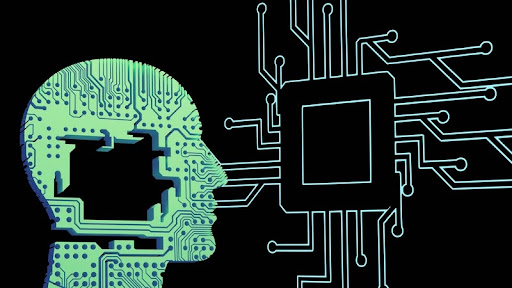
AI-generated art is exactly what it sounds like: artwork made by algorithms. Think neural networks, machine learning models, and creative tools that can generate images, videos, or even music. A few lines of code can produce something that looks polished, professional… or downright uncanny. The tech behind it is getting super sophisticated, and the bar for entry is dropping fast.
Why should you care? Because it’s shaking up creative industries, advertising, design, illustration, fine arts, and even publishing. Suddenly, the line between what a human creates and what a machine conjures up is blurrier than ever. If you’re making art for a living, or just for fun, you’ll want to know what’s legal, what’s ethical, and what’s smart.
How does U.S. copyright law treat AI-generated art?
Copyright law, at its core, applies to human-made works. That poses a problem when AI gets involved. The law says the author must be human. That means purely AI-generated images? They’re not considered copyrightable in the U.S, no legal protection. If an AI fully creates an image, traditionally, nobody would own it.
But what if you’re the one pressing the buttons, picking prompts, tweaking output? That’s more like authoring. U.S. law hasn’t fully caught up yet, but you do have a stronger case if a human-directed creative process is evident. Still, it’s gray. Courts, lawmakers, they’re still trying to figure out where the line is.
What about training data? Does that raise legal red flags?
Absolutely, and this is a big one. AI models are trained on massive datasets, often scraped from the internet. That includes copyrighted images. If the AI spits out something that closely resembles a copyrighted image, the creator or tool user could unintentionally infringe copyright, even if they didn’t know the source.
That’s why many U.S. creators (and platforms) are asking: Shouldn’t AI developers get proper licenses for training data? In many cases, they don’t. That creates legal risk. If you’re selling AI-generated art or using it commercially, you’ll want to think carefully about where the model got its knowledge.
How can creators manage licensing and usage rights for AI art?
Keep it simple: clear licensing and terms of use matter. Whether you’re the creator using AI tools, or you’re downloading or commissioning AI-generated work from someone else, know what you’re allowed to do.
Is it royalty-free? Can you sell it? Can you modify it? Can you even claim the work as yours? Nail that down before you post, sell, or pitch. Especially in the U.S., where disputes can get costly fast. And if you’re working with clients, make sure contracts spell out who owns the final output.
Is AI art “original” and why should that matter?
Imagine someone tells you, “This was made by AI.” Suddenly, you might value it differently. Is it real creativity? Is it authentic? These are not legal questions, but ethical ones.
You’ve probably wondered: does it devalue human artists? Or is it okay to pass off AI art as something you made yourself? For many, the issue is about transparency: if you’re presenting your work without mentioning AI, that feels dishonest. And it can dilute trust, especially if, say, a gallery or client values authenticity.
Should you disclose that you used AI tools?
You bet. Transparency matters. If you’re an illustrator, a designer, or a photographer, and you add “made with AI” or “AI-assisted” to your process, people appreciate honesty. It builds credibility. It helps audiences understand what they’re looking at and what they’re supporting.
Let me ask you this: would you feel duped if you bought an “artist-made” piece only to learn an algorithm did most of the work? Disclosure lets people choose, helps them support genuine human creativity, or explore AI-supported innovation ethically.
Could AI bias or lack of diversity be an issue?
Absolutely. AI isn’t neutral. It reflects its training data. If that data skews toward certain cultures, skin tones, or beauty standards, AI art can replicate harmful stereotypes or erase underrepresented groups.
As an artist or creator, you should think: Am I promoting fair, inclusive representation? Check your outputs. Adjust your prompts. Diversify your references. We’ve seen the U.S. tech industry wrestle with biased face recognition and image generation; don’t let that stain your creative work.
What does all this mean for U.S. creators, careers, income, and risks?
Here’s the bottom line: AI-generated art is both an opportunity and a threat.
- Opportunity: You can produce more, experiment faster, prototype affordably, broaden your creative toolkit.
- Threat: You’re competing with non-human gig workers; your clients might opt for AI instead of a human artist. There’s also legal uncertainty and ethical minefields.
In the U.S., creators are asking: how do I protect my work? And how do I stay competitive? Think of it like adapting to any industry shift. Learn AI tools, stay relevant, but also don’t give away your rights or compromise ethics.
How can you stay ahead when the rules aren’t clear?
Good question. Here are some smart moves:
- Stay informed. Keep an eye on developments in U.S. law (like how the U.S. Copyright Office treats AI works). Watch for bills or court rulings that clarify ownership.
- Set your guidelines. Decide of your own accord: “I always credit AI. I always license responsibly.” Develop personal ethics that fit your values.
- Use contracts smartly. If you’re commissioned for AI work, spell out who owns what in writing. If you’re using tool-generated pieces, clarify what you’re allowed to do.
- Join the conversation. Frame the question: “How do I use AI responsibly, fairly, and in a way that helps, not hurts, our creative community?” That’s a healthy, future-facing stance.
Let’s wrap it up
AI-generated art is exciting. It’s creative and bold and evolving. But let’s not pretend it’s free of legal and ethical complexity. In the U.S., the law isn’t always clear. Copyright might not apply, datasets might be sketchy, and ethics are still being debated.
That said, you don’t have to wait around. Be proactive. Ask the tough questions. Be transparent with your audience. Nail down your licensing. And think deeply about how AI shapes your relationship with creativity. After all, tools change, but good, responsible creators endure.
FAQ (for schema markup)
Q: Who owns rights to AI-generated art in the U.S.? A: Purely AI-made art generally isn’t eligible for U.S. copyright. If a human substantially guides the creation, authorship may be assigned to them, but laws are still evolving.
Q: Can AI-generated art infringe on copyright? A: Yes, it can, if the model was trained on copyrighted works and outputs resemble them. That could pose legal risks.
Q: Should creators disclose AI use in their art? A: Yes, transparency builds trust with clients and audiences in the U.S. It helps maintain creative integrity.
Q: How do U.S. creators protect their rights when using AI tools? A: Use clear licensing, specify usage rights, include contract terms when needed, and stay informed about changing copyright policy.
About the Author