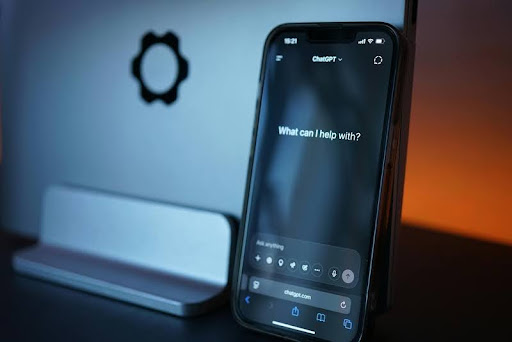
ChatGPT voice chat brings AI conversations right to your pocket.
What’s going on with voice assistants and privacy?
Let’s cut to the chase: voice assistants like Siri, Alexa, and Google Assistant are everywhere, your phone, your smart speaker, near your bedside, even in your car. And yes, they’re listening. Not because they’re nosy spies, but because they’re always waiting for their wake word. Once they hear it, they start recording. That audio goes to the cloud, gets processed by AI, and then does its thing. Understanding that process is key to knowing what’s happening behind the scenes. Some transcripts and recordings stay with the company unless you delete them. Apple says they just store transcripts, not audio, unless you opt in; Amazon sends your voice clips to the cloud but offers ways to delete them later (Wikipedia).
How many Americans use voice assistants?
You might be surprised how many of us talk our tech into doing stuff. Around 153.5 million Americans use voice assistants as of 2025, with Siri hitting about 86.5 million users (Yaguara). To put that in perspective, about 36.6% of the U.S. population, over 120 million people, use voice assistants (Blogging Wizard).
That’s a lot of us saying “Hey Siri” or “Okay Google” every day.
Why are we using voice assistants more and more?
Because talking is faster than typing. About 81% of Americans use voice tech daily or weekly, and usage is climbing—68% say they’re using it more than they did a year ago (81% of Consumers Use Voice Tech Daily or …”>Business Wire). We ask our devices to check the weather, set reminders, even play our favorite songs, all with our voice.
So, convenience is a huge driver. But what does that convenience cost us in terms of privacy?
What are the main privacy concerns people have?
Here’s the deal: many folks don’t even realize these assistants are always listening for that wake word. In one survey, 49% of Americans didn’t know about passive listening, and 68% had never done anything to boost their privacy (Privacy Concerns of Voice Assistants”>Secure Data Recovery). Don’t freak out, we often don’t mean privacy harm when we talk into our phone or speaker, but it does raise an eyebrow.
People worry about sensitive info, hacking, and unauthorized data use. In one report, 28% of users were worried their smart speaker could misuse their data, and 52% feared hackers could steal personal info (Trends for 2025 | ResultFirst”>resultfirst.com). That’s not nothing.
Is there any spying or profiling going on?
Okay, here’s where it gets fuzzy. Research shows voice assistants can profile users, build demographic or interest labels, from how we talk, how often we talk, and even mistakes we make (arXiv). And yes, sometimes companies use voice data to improve AI, but profiles can be built without our awareness, and some of these labels can be incorrect or slow to change (arXiv).
So, not “spying” like Big Brother, but profiling that we don’t fully control.
What did recent news say about privacy changes?
Big updates have happened. Starting March 28, 2025, Amazon ditched the “Do Not Send Voice Recordings” option on some Echo devices. That means your voice always gets sent to Amazon’s cloud for AI processing, though they say recordings get deleted afterward (New York Post). Critics argued that it’s a step backward. You can still disable storage of recordings entirely, but you’re giving up personalization features like Voice ID (Take this one step to improve your privacy,”>The Washington Post).
Apple, for its part, settled a lawsuit over Siri accidentally recording private conversations. They’re paying up to per device in a million class-action deal, plus they’ll delete certain recordings and give users more control (About .”>Reuters, Wikipedia).
So, are voice assistants spying on Americans?
Not exactly spying, but they are listening, recording, and learning. The scare-word “spying” sounds dramatic, but it’s more nuanced: consent is often buried in terms, settings aren’t super transparent, and profiling happens behind the curtain. Still, many people find the trade-off acceptable for the convenience they get.
What can users do to protect their privacy?
Good news: you’re not helpless. Here’s what you can do:
- Check your settings, turn off or delete voice recordings via the app.
- Limit device placement; don’t put it in bedrooms or private spaces.
- Unplug the mic when needed, or use a switch-controlled outlet to cut power.
- Update your devices; the latest firmware often patches security holes (Wikipedia).
- Opt out of profiling when possible, and regularly clear your data.
Taking these steps doesn’t make your assistant useless; it just puts you back in the driver’s seat.
What’s coming next for voice assistants and privacy?
We’re heading into a world where voice tech isn’t just smarter, it’s more persuasive. Some assistants already have personalities to build trust and even influence decisions (NJIT News). Meanwhile, Gen Z adoption is skyrocketing; by 2027, roughly 64% of Gen Z will use voice assistants monthly (Gen Z Leading Voice Assistant Growth – eMarketer”>EMARKETER).
And big tech isn’t slowing down. It’s time to ask: “How do we keep ethics and privacy in the mix as voice AI gets way more personal?”
Time to think, and maybe talk back to your assistant
You’ve probably talked to Alexa before, maybe asked about the weather or played a song. Now pause and ask yourself: “Am I okay with that data living in the cloud?” If not, tweak your settings.
If yes, that’s cool too. Just don’t stay uninformed.
FAQ
What are voice assistants? Voice assistants are AI-powered tools like Siri, Google Assistant, and Alexa. They wait for a wake word to record voice input, process it in the cloud, and respond.
Are voice assistants always listening? Yes, in standby mode, they passively listen for the wake word. Once triggered, they record and send data to the cloud.
Do voice assistants spy on us? Not in a creepy sense, but they do collect voice data to improve services and may profile users based on that data.
How many Americans use voice assistants? About 153.5 million as of 2025, roughly a third of the U.S. population (Yaguara).
How can I protect my privacy with voice assistants? Review and adjust privacy settings, delete stored recordings, place devices strategically, unplug when needed, and keep software updated.
Your voice, your choice. Want help adjusting your settings or finding out what that privacy dashboard looks like? Just ask, I’ve got your back.
So, not “spying” like Big Brother, but profiling that we don’t fully control.
What did recent news say about privacy changes?
Big updates have happened. Starting March 28, 2025, Amazon ditched the “Do Not Send Voice Recordings” option on some Echo devices. That means your voice always gets sent to Amazon’s cloud for AI processing, though they say recordings get deleted afterward (New York Post). Critics argued that it’s a step backward. You can still disable storage of recordings entirely, but you’re giving up personalization features like Voice ID (Take this one step to improve your privacy,”>The Washington Post).
Apple, for its part, settled a lawsuit over Siri accidentally recording private conversations. They’re paying up to per device in a million class-action deal, plus they’ll delete certain recordings and give users more control (About .”>Reuters, Wikipedia).
So, are voice assistants spying on Americans?
Not exactly spying, but they are listening, recording, and learning. The scare-word “spying” sounds dramatic, but it’s more nuanced: consent is often buried in terms, settings aren’t super transparent, and profiling happens behind the curtain. Still, many people find the trade-off acceptable for the convenience they get.
What can users do to protect their privacy?
Good news: you’re not helpless. Here’s what you can do:
- Check your settings, turn off or delete voice recordings via the app.
- Limit device placement; don’t put it in bedrooms or private spaces.
- Unplug the mic when needed, or use a switch-controlled outlet to cut power.
- Update your devices; the latest firmware often patches security holes (Wikipedia).
- Opt out of profiling when possible, and regularly clear your data.
Taking these steps doesn’t make your assistant useless; it just puts you back in the driver’s seat.
What’s coming next for voice assistants and privacy?
We’re heading into a world where voice tech isn’t just smarter, it’s more persuasive. Some assistants already have personalities to build trust and even influence decisions (NJIT News). Meanwhile, Gen Z adoption is skyrocketing; by 2027, roughly 64% of Gen Z will use voice assistants monthly (Gen Z Leading Voice Assistant Growth – eMarketer”>EMARKETER).
And big tech isn’t slowing down. It’s time to ask: “How do we keep ethics and privacy in the mix as voice AI gets way more personal?”
Time to think, and maybe talk back to your assistant
You’ve probably talked to Alexa before, maybe asked about the weather or played a song. Now pause and ask yourself: “Am I okay with that data living in the cloud?” If not, tweak your settings. If yes, that’s cool too. Just don’t stay uninformed.
About the Author