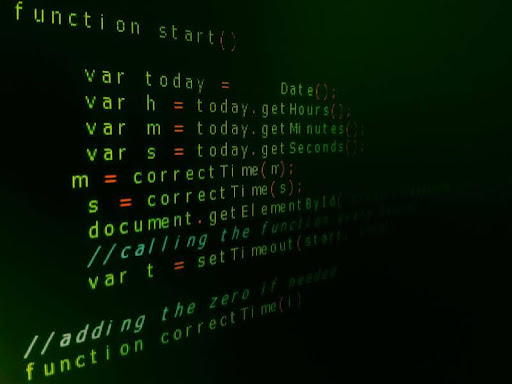
The language of algorithms—where letters and logic meet on the screen.
You’ve probably heard the word algorithm tossed around like it’s some secret code only tech experts can crack. The truth? It’s not nearly as mysterious as it sounds. You’ve been using algorithms for years, maybe without realizing it. And no, you don’t need to be a math whiz or know how to code to understand them.
Let’s strip away the jargon and get to the core of what algorithms really are, why they matter, and how you can wrap your head around them without feeling like you’re stuck in a calculus lecture.
What Is an Algorithm?
An algorithm is just a set of step-by-step instructions for getting something done. That’s it. Think of it as a recipe, a checklist, or a clear “if this, then that” path.
In computer science, algorithms tell machines what to do and how to do it. In daily life, they help solve problems, make decisions, and process information. The difference is that a computer can run an algorithm at lightning speed, way faster than you or I ever could.
What Are the Basic Parts of an Algorithm?
To break down an algorithm, think about four main building blocks:
- Inputs – The information or data you start with.
- Outputs – The final result you want.
- Steps – The actions you take in order, one after the other.
- Conditions and Loops – The “if this happens, then do that” logic and any repeated actions.
This structure helps make sense of even the most complicated processes.
What Are the Main Types of Algorithms?
There are many flavors of algorithms, but most fit into a few core categories:
- Sorting algorithms – Arrange information in a specific order.
- Searching algorithms – Find specific information in a set.
- Decision-making algorithms – Help pick the best choice among options.
- Optimization algorithms – Aim to get the best possible result based on certain conditions.
You’ll see these patterns over and over, no matter how complex the tech gets.
How Do Algorithms “Think”?
Here’s the thing: algorithms don’t think the way humans do. They follow logic, not emotion or gut instinct.
When a computer runs an algorithm, it:
- Takes in input data.
- Runs it through step-by-step instructions.
- Follows set rules to decide what happens next.
- Produces an output based on that logic.
The magic is in the speed and consistency. While people might make different choices depending on their mood, algorithms will always make the same decision given the same input.
Why Understanding Algorithms Doesn’t Require Advanced Math
One of the biggest myths is that you need a math degree to “get” algorithms. Not true.
Yes, some algorithms in advanced fields involve heavy math, but the core idea is about logical thinking, not crunching numbers. Understanding an algorithm is more like learning how a board game works than solving an equation. If you can follow rules and spot patterns, you can understand algorithms.
How Do You Break Down an Algorithm?
If you want to understand an algorithm, try these steps:
- Define the problem – Be clear on the goal.
- List the steps – Write them out in order.
- Check decision points – Where does the process change based on conditions?
- Test it – See if the steps produce the result you expect.
- Simplify if possible – Remove unnecessary steps or make them more efficient.
This approach works whether you’re trying to understand a computer process or organize your workflow.
What Are the Biggest Misunderstandings About Algorithms?
A lot of confusion comes from mixing up algorithms with other concepts. Let’s clear a few things up:
- An algorithm isn’t a program – A program is built using algorithms, but they’re not the same thing.
- Algorithms aren’t always complex – Many are simple enough for anyone to grasp.
- You don’t need to know code – Algorithms exist beyond programming; they’re about problem-solving steps.
How Can You Start Thinking Like an Algorithm?
If you want to sharpen your problem-solving skills, it helps to think algorithmically. Here’s how:
- Break problems into smaller parts – Big problems become easier when split into steps.
- Consider all possibilities – Don’t just focus on one path; check what happens if things change.
- Aim for efficiency – Look for the simplest way to get the desired result.
Before long, you’ll naturally approach challenges with a more structured mindset.
Why Do Algorithms Matter in Today’s World?
We’re surrounded by technology that runs on algorithms. While you don’t need to know every detail, having a basic grasp helps you:
- Understand how digital tools work.
- Make informed choices when using tech.
- Spot when something doesn’t seem right.
In a world where algorithms can influence what we see, buy, and even believe, a little understanding goes a long way.
Final Thoughts: It’s About Logic, Not Math
When you strip away the mystique, algorithms are simply logical processes. The key to understanding them isn’t memorizing formulas; it’s recognizing patterns and steps.
So, next time you hear the word “algorithm,” don’t picture a wall of complex equations. Picture a set of clear, logical instructions. That’s all it is.
FAQ: Understanding Algorithms Without the Math
Q: What’s the simplest definition of an algorithm? A: A step-by-step set of instructions to solve a problem or complete a task.
Q: Do I need to know coding to understand algorithms? A: No. Algorithms are about logic, not programming languages.
Q: Why are algorithms important? A: They power most digital tools and help solve problems efficiently.
Q: Can algorithms make mistakes? A: Yes, if they’re designed with errors or based on bad data.
About the Author