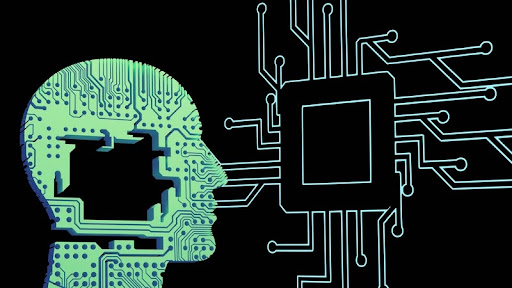
Lost in the scroll—where algorithms quietly shape what you watch next.
Ever feel like you’re calling the shots in your daily life? Think again. From what you read to the choices you make, there’s a silent force at work, quietly steering the wheel, algorithms. They’re like the managers you never see, working around the clock, shaping your experiences without ever asking for a coffee break.
In this article, we’ll break down what algorithms are, how they influence nearly everything you do, and why becoming “algorithm-aware” might be one of the most important skills you can develop.
What Exactly Is an Algorithm, and Why Should You Care?
An algorithm is basically a set of step-by-step instructions designed to solve a problem or achieve a specific result. Think of it as a recipe, but instead of cooking dinner, it’s processing data and delivering outcomes.
In plain English? It’s a digital rulebook that tells a computer what to do when it’s faced with a task. And because these rulebooks are embedded into the apps, devices, and systems you use every day, they end up shaping the information you get, and sometimes the decisions you make, without you even noticing.
Why care? Because these instructions don’t just run in the background, they quietly run you.
How Do Algorithms Make Decisions for You?
Algorithms act like silent decision-makers, taking massive amounts of data, analyzing it, and deciding what’s most “relevant” for you. They filter, prioritize, and personalize the information you see.
This can feel incredibly helpful; nobody wants to dig through endless, irrelevant results, but it also means that what you don’t see is just as important as what you do.
Here’s the twist: while it feels like you’re making an independent choice, that choice is often pre-shaped by what’s been placed in front of you. It’s the digital equivalent of being handed a menu with only three items instead of the full list.
What Is the Feedback Loop Effect in Algorithms?
One of the sneakiest powers algorithms have is something called the feedback loop. It works like this:
- You interact with something.
- The algorithm notes that interaction.
- It adjusts its future decisions based on what it “thinks” you like.
- The next time, it shows you more of the same.
Over time, this loop gets tighter and more tailored. It’s efficient, sure, but it can also box you in, serving you similar results again and again until you’re in a digital bubble without even realizing it.
Why Are Algorithms Called ‘Invisible’?
The term “invisible” isn’t just a metaphor; it’s a description of how seamlessly they operate. You don’t see the gears turning. There’s no pop-up telling you, “Hey, we decided this for you!”
They’re baked into the systems we use so naturally that we rarely stop to think about their presence. And that’s part of the reason they hold so much influence: the less you notice them, the more they can shape your digital environment without pushback.
What Are the Benefits of Algorithmic Control?
It’s not all shadowy manipulation; algorithms bring real advantages. Here are some big ones:
- Efficiency: They save you time by sorting through mountains of data in milliseconds.
- Personalization: They adjust results to match your preferences, making your experience feel tailor-made.
- Predictive Assistance: They can anticipate your needs before you even search, smoothing out tasks and decisions.
If we’re being honest, without algorithms, our digital lives would feel a lot slower, clunkier, and far more overwhelming.
What Are the Risks of Letting Algorithms Take the Lead?
With all their perks, algorithms still come with a few big “watch out” signs:
- Lack of Transparency: You often don’t know why a certain result was shown, or what was hidden.
- Built-In Bias: The data and rules feeding the algorithm can carry hidden biases, leading to skewed outcomes.
- Over-Reliance: The more you lean on them, the less you may question the options you’re given.
It’s a trade-off: convenience vs. control. The danger lies in not realizing you’ve given away more control than you intended.
How Can You Tell When Algorithms Are at Work?
Most of the time, algorithms operate silently, but there are clues you can look for:
- Patterns in What You See: Repeatedly getting similar types of results or suggestions.
- Highly Tailored Recommendations: Content or options that feel uncannily “just right.”
- Changes After Your Actions: Adjustments that happen quickly after you interact with something.
Once you start spotting these signs, you’ll realize they’re everywhere.
What’s the Best Way to Stay in Control of Algorithm Influence?
You don’t need to avoid algorithms entirely, just learn to manage the relationship. Here’s how:
- Ask “Why This?” whenever you’re shown a result or suggestion.
- Mix It Up: Try searching for different topics or stepping outside your usual patterns.
- Stay Curious: Treat recommendations as starting points, not final answers.
Awareness is your best defense.
The more you recognize algorithmic influence, the better you can decide when to lean on it and when to go your own way.
The Balancing Act: Making Algorithms Work for You
Algorithms aren’t inherently good or bad; they’re tools. The challenge is making sure you’re using them, not the other way around. That starts with awareness, curiosity, and a willingness to question the digital “defaults” in your life.
If you treat algorithms like employees rather than bosses, you’ll have a lot more control over your digital experience, and maybe even your real-world choices.
Quick Recap
- Algorithms = digital rulebooks that guide decisions and outcomes.
- They work invisibly, quietly shaping what you see and do.
- Feedback loops keep reinforcing patterns over time.
- They bring convenience and personalization, but also risks like bias and over-reliance.
- Awareness is key to staying in control.
FAQ: Algorithms and Their Role in Daily Life
Q1: What is the main purpose of an algorithm? A: To process data and deliver a specific outcome or solution based on defined rules.
Q2: Are algorithms always accurate? A: No, accuracy depends on the data and rules they’re built on, which can be flawed or biased.
Q3: Can I completely avoid algorithms? A: Not realistically. They’re built into most digital tools, but you can limit their influence by being aware and making deliberate choices.
Q4: How do algorithms learn? A: Many use a process called machine learning, where they adjust decisions based on patterns in data over time.
Q5: Why should I care about algorithm transparency? A: Because knowing how decisions are made helps you understand what might be influencing your choices and prevents blind trust.
About the Author