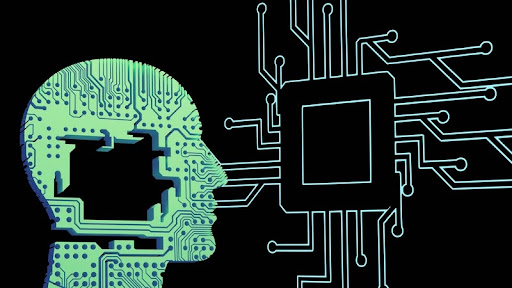
When you watch, the algorithm watches too—shaping what comes next.
Ever feel like the internet just gets you, almost too well? You open your favorite social app, search for something on Google, or watch a video, and somehow, what pops up next feels like it was handpicked for you. Spoiler alert: it kind of was. But not by a person sitting in a control room. Nope, it’s all thanks to algorithms quietly running the show in the background.
The thing is, these little lines of code aren’t just helping you find what you like. They’re also influencing what you don’t see, steering your attention, and even shaping your opinions over time. And most of us don’t even realize it’s happening.
Let’s break it down, step-by-step, so you can see just how deep this rabbit hole goes.
What Exactly Is an Algorithm in the Online World?
At its simplest, an algorithm is a set of instructions that tells a computer what to do. In the online world, algorithms are the behind-the-scenes decision-makers deciding what shows up in your feed, which search results you see first, or what video plays next.
They take massive amounts of data, things like your clicks, search history, watch time, and even how long you pause on a post, and use it to predict what you’re most likely to engage with next. The more data they get, the better they get at guessing. And that’s where things get interesting… and maybe a little concerning.
How Do Algorithms Personalize Content for You?
If you’ve ever wondered why your feed looks so different from your friend’s, the answer is personalization. Algorithms rank and filter content based on what they think is most relevant to you. They use signals like:
- What you’ve clicked on recently.
- How long have you engaged with similar content?
- Which topics or hashtags do you interact with?
On the surface, that’s great; it means you see stuff you care about instead of random noise. But personalization comes with a catch: it can create an invisible bubble around you, where you see more of the same and less of everything else.
Why Do Algorithms Prioritize Engagement Over Everything?
Here’s a little secret: online platforms survive on your attention. The longer you stay, the more ads you see, and the more money they make. That’s why algorithms are designed to push content that’s likely to keep you hooked.
Engagement signals, likes, shares, comments, and watch time are gold in the eyes of an algorithm. If a certain type of post keeps people scrolling, the system will serve up more like it.
And before you know it, you’re caught in a loop, seeing similar content over and over because it performs well… not necessarily because it’s the most accurate or useful.
Are Algorithms Biased?
Yes, though usually not on purpose. Algorithms are created by humans, and humans have biases. Even if developers don’t mean to, the data they train the system on can contain patterns that favor certain perspectives or sources.
Over time, these subtle preferences can shape what gets promoted and what gets buried. And since most people don’t dig past the first page of search results or scroll endlessly to find alternative viewpoints, the algorithm’s bias can quietly shape your worldview.
How Do Algorithms Affect the Way You Make Decisions?
Think about it: if you’re constantly shown certain types of content, you’re more likely to consider those ideas, products, or viewpoints. This doesn’t happen overnight; it’s a gradual drip of influence.
Repeated exposure to the same messages can make them feel more familiar and trustworthy, even if you never sought them out in the first place. That’s why being aware of how algorithms work isn’t just a tech curiosity; it’s a critical life skill in the digital age.
Why Is It Important to Understand Algorithm Influence?
Because knowledge equals power. If you understand that algorithms are shaping your online experience, you can take steps to make it more balanced. You can:
- Search for information from multiple sources.
- Follow a variety of voices, not just the ones you agree with.
- Recognize when you’re stuck in a content loop and intentionally break out of it.
The internet can be a powerful tool for learning and connection, but only if you actively shape your experience instead of letting an algorithm do it for you.
Tips for Staying in Control of What You See Online
You can’t completely avoid algorithms; they’re baked into every major platform, but you can limit their control over you. Here’s how:
- Mix up your sources. Don’t rely on a single platform for your information.
- Use search filters. On Google, try different keywords or look at results beyond page one.
- Actively seek opposing views. Even if you disagree, exposure to other perspectives helps you see the bigger picture.
- Clear your watch and search history occasionally. This resets some of the personalization signals.
- Be mindful of your clicks. Every click tells the algorithm something about you.
So… Are Algorithms Good or Bad?
The truth is, they’re neither; they’re tools.
How they affect you depends on how they’re built and how you interact with them. In many cases, they make life easier, helping you find what you want faster. But without awareness, they can quietly steer your attention in ways you didn’t choose.
It’s kind of like autopilot: great for efficiency, dangerous if you’re not paying attention.
The Bottom Line
Algorithms are like invisible editors of your online life. They decide what you see, what you miss, and how information reaches you. The more you understand them, the more you can steer your digital journey instead of just going where they lead.
And maybe next time you’re scrolling, you’ll pause and ask: Did I choose this content… or did the algorithm choose it for me?
Quick FAQ: How Algorithms Shape What You See Online
Q: What’s the main purpose of online algorithms? A: To organize and rank content in a way that keeps you engaged and helps platforms deliver relevant information or ads.
Q: Can I completely avoid algorithms? A: Not on major platforms, but you can reduce their influence by diversifying your sources and clearing your history.
Q: Are algorithms always biased? A: Not intentionally, but they can reflect biases in the data they’re trained on.
Q: How do algorithms know what I like? A: They track your activity, clicks, watch time, search history, and use patterns to predict what you’ll engage with next.
About the Author