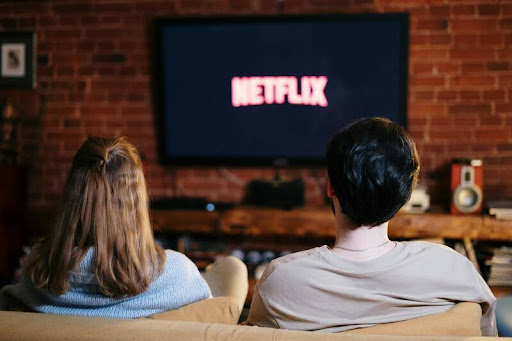
Cozy nights in, powered by Netflix recommendations.
Ever sit down to watch “just one episode” and suddenly, it’s 2 a.m. and you’re halfway through a whole season? You can thank, or blame, something called The Netflix Effect. No, it’s not magic. It’s a finely tuned, data-driven algorithm that seems to know what you want before you do.
But how exactly does Netflix know you so well? And what’s going on behind the scenes to make those eerily accurate “Because you watched…” rows pop up every time you log in? Let’s pull back the curtain.
What Exactly Is the Netflix Effect?
The Netflix Effect is the phenomenon where algorithms predict what you’ll watch next based on your viewing habits. It’s the reason you get recommendations that match your taste so closely you might wonder if your TV’s been eavesdropping on your conversations.
In reality, it’s not creepy mind-reading, it’s the power of recommendation systems. These algorithms take what you’ve watched, how you’ve watched it, and even when you’ve watched it, then serve up a custom playlist designed just for you.
How Do Recommendation Algorithms Work?
At their core, recommendation algorithms are like personal assistants for your streaming life. They watch what you watch, then make educated guesses about what else you might enjoy.
They collect a huge variety of data points, such as:
- How long did you watch something before switching off
- The types of shows and movies you tend to finish
- The search terms you enter
- The ratings you give content (if you bother to rate at all)
All of that gets crunched into patterns the algorithm can use. Think of it like a massive puzzle where every piece is a bit of your viewing behavior.
What Data Does Netflix Track?
If you’re wondering, “What information does Netflix use to recommend shows?”, the answer is quite a lot.
Here are the key things the algorithm pays attention to:
- Viewing history – Titles you’ve watched and rewatched.
- Watch time – How many minutes or hours you spend on certain genres or shows.
- Browsing patterns – How you scroll, what you hover over, what trailers you watch.
- Device usage – Whether you’re watching on a phone, laptop, or smart TV.
- Metadata – The behind-the-scenes tags that describe every piece of content (genre, mood, cast, themes, etc.).
This isn’t just trivia for the tech team, it’s the lifeblood of Netflix’s personalization.
How Does Netflix Predict What You’ll Watch?
Prediction comes down to three big techniques that work together.
- Collaborative filtering – This looks at people who have similar tastes to yours. If others who loved the same shows you did also enjoyed a certain series, there’s a good chance you will too.
- Content-based filtering – Instead of focusing on similar viewers, this approach focuses on similar content. If you loved a sci-fi movie, it might recommend other sci-fi titles with similar themes or story structures.
- Hybrid models – Netflix blends both methods for maximum accuracy, adjusting constantly as you watch more.
The real magic happens when the system continuously updates your “profile” every time you hit play or stop.
How Does Netflix Personalize for Different Users?
Personalization isn’t just a buzzword, it’s why two people can have completely different home screens even on the same account.
Netflix considers:
- Separate profiles – Each profile gets its tailored recommendations.
- Recent activity – Your latest binges weigh heavily in what’s suggested next.
- Viewing variety – If you occasionally step outside your usual genres, the algorithm adjusts to keep things fresh.
It’s personalization at scale, millions of users, each getting a unique experience.
Why Do Tailored Recommendations Keep Us Watching?
Here’s where psychology sneaks in. People like things that feel familiar, but we also crave a little novelty. Netflix’s algorithm balances these two needs.
Too much familiarity? You’d get bored. Too much novelty? You’d feel lost. That perfect mix keeps you engaged, clicking “Next Episode” without hesitation.
It’s also about removing decision fatigue. With thousands of titles, choosing something could take forever. The algorithm narrows it down so you feel confident hitting play.
Are There Downsides to Algorithmic Recommendations?
Absolutely. While these algorithms can make our streaming experience smoother, they can also limit our exposure to different genres, perspectives, or topics.
Potential drawbacks include:
- Echo chambers – You mostly see what you’ve already liked, which narrows your range.
- Over-reliance – You may stop exploring content outside your recommendations.
- Hidden gems getting buried – Some great shows might never surface for you if they don’t match your profile.
Being aware of these downsides can help you make more conscious choices about what you watch.
What’s the Future of Netflix’s Algorithms?
If you think Netflix is smart now, just wait.
The future of content prediction is leaning toward even more advanced AI-driven personalization. That could mean:
- Real-time adjustments based on your mood signals (yes, mood tracking is on the horizon for many tech companies)
- More nuanced genre blending, so you’re introduced to new things without feeling it’s a total departure from your taste
- Ethical discussions about privacy, transparency, and the influence of algorithms on culture
The tech is getting more powerful, but so is the conversation about how it should be used.
How Can Viewers Take Control of Their Recommendations?
If you want more variety or accuracy in your Netflix suggestions:
- Use the thumbs-up/thumbs-down system – Feedback helps fine-tune the algorithm.
- Clear your viewing history if you feel stuck in a genre rut.
- Browse manually outside of recommendations to expose the algorithm to new data.
- Switch profiles for different moods or genres you want to keep separate.
You have more influence than you might think.
Final Thoughts on the Netflix Effect
The Netflix Effect isn’t magic; it’s math. But it’s math with a human touch, designed to feel almost like intuition. These algorithms know our habits, our patterns, and even our attention spans, using all that information to predict our next move.
As viewers, the key is balance: enjoy the convenience, but don’t let the algorithm decide everything for you. Now and then, scroll a little further or click on something completely unexpected. You might just discover your next favorite show.
FAQ: The Netflix Effect and Recommendations
Q: How does Netflix know what I want to watch? A: Netflix uses algorithms that track your viewing habits, preferences, and search activity to predict what you’ll enjoy next.
Q: Can I reset my Netflix recommendations? A: Yes, you can clear your viewing history in your account settings to refresh the algorithm’s suggestions.
Q: Why do I see different recommendations than other people? A: Recommendations are personalized based on your specific profile activity, so no two home screens are the same.
Q: Does Netflix track everything I watch? A: Yes, Netflix records your watch history, browsing activity, and related behaviors to improve personalization.
Q: Can Netflix’s recommendations be wrong? A: Absolutely, algorithms aren’t perfect, and sometimes they’ll miss the mark.
About the Author