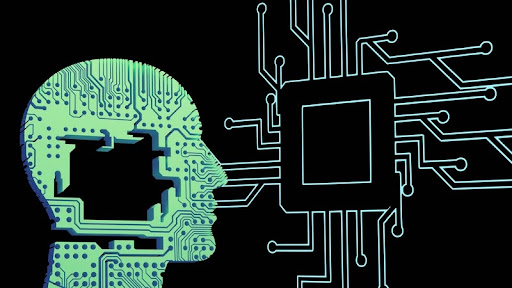
Swiping through potential matches—powered by algorithms behind the scenes.
Let’s be real: swiping through dating apps can feel like a game of chance. One minute you’re matching with someone who seems perfect, and the next, you’re left wondering how you ended up with that profile in your feed. But what if we told you that behind every swipe, there’s a complex algorithm at work, quietly shaping your romantic possibilities?
In this post, we’ll pull back the curtain on how dating apps use algorithms to determine who’s “your type.” We’ll explore the data they collect, how they analyze it, and what that means for your dating experience.
What Are Dating Algorithms?
At their core, dating algorithms are sets of rules and calculations designed to match you with potential partners. They sift through your profile information, behavior, and interactions to predict compatibility. Think of them as digital matchmakers, using data instead of intuition.
What Data Do Dating Apps Use?
Dating apps gather a variety of data to fine-tune their matchmaking:
- Profile Information: Details like age, location, interests, and preferences.
- Behavioral Data: Your swiping patterns, messaging habits, and profile interactions.
- Implicit Signals: Factors such as response times, activity levels, and engagement with others.
This data helps algorithms understand your preferences and predict who you might connect with best.
How Do Algorithms Determine “Your Type”?
Algorithms analyze the data they collect to identify patterns in your behavior and preferences. For instance, if you frequently swipe right on profiles with certain traits or engage in specific types of conversations, the algorithm takes note. Over time, it refines its suggestions based on these patterns, aiming to present you with matches that align with your demonstrated interests.
Why Do Algorithms Favor Certain Profiles?
Ever wonder why some profiles seem to pop up more often than others? Algorithms often prioritize profiles that are more likely to engage with you. This means that if your profile is more active or has higher engagement rates, it might be shown to others more frequently. This approach aims to increase the chances of meaningful interactions. (Stream)
Can Algorithms Reinforce Biases?
Yes, they can. If an algorithm learns from data that reflects societal biases, such as preferences based on appearance, race, or socioeconomic status, it might perpetuate those biases in its matchmaking. This can limit the diversity of potential matches and reinforce existing stereotypes.
How Can You Navigate Algorithmic Matching?
To make the most of dating apps:
- Be Authentic: Present a genuine version of yourself in your profile.
- Engage Meaningfully: Take time to read profiles and send thoughtful messages.
- Diversify Interactions: Don’t just swipe right on the same type of profile; explore different options.
Remember, while algorithms play a role, your actions and choices significantly influence your dating experience.
Conclusion
Dating apps have transformed the way we meet potential partners, and algorithms are at the heart of this transformation. By understanding how these algorithms work, you can navigate the digital dating world more effectively and make choices that align with your true preferences.
FAQ
Q: How do dating app algorithms work? A: They analyze your profile information, swiping behavior, and interactions to suggest potential matches.
Q: Can I influence the algorithm? A: Yes, by being active, engaging meaningfully, and diversifying your interactions. (arxiv.org)
Q: Do algorithms affect match quality? A: They can, as they prioritize profiles based on engagement and behavior patterns.
Q: Are biases present in dating algorithms? A: Potentially, if the data reflects societal biases, which can influence matchmaking.
Q: How can I get better matches? A: Be authentic, engage thoughtfully, and explore a variety of profiles.
How Can You Navigate Algorithmic Matching?
To make the most of dating apps:
- Be Authentic: Present a genuine version of yourself in your profile.
- Engage Meaningfully: Take time to read profiles and send thoughtful messages.
- Diversify Interactions: Don’t just swipe right on the same type of profile; explore different options.
Remember, while algorithms play a role, your actions and choices significantly influence your dating experience.
Conclusion
Dating apps have transformed the way we meet potential partners, and algorithms are at the heart of this transformation. By understanding how these algorithms work, you can navigate the digital dating world more effectively and make choices that align with your true preferences.
FAQ
Q: How do dating app algorithms work? A: They analyze your profile information, swiping behavior, and interactions to suggest potential matches.
Q: Can I influence the algorithm? A: Yes, by being active, engaging meaningfully, and diversifying your interactions. (arxiv.org)
Q: Do algorithms affect match quality? A: They can, as they prioritize profiles based on engagement and behavior patterns.
Q: Are biases present in dating algorithms? A: Potentially, if the data reflects societal biases, which can influence matchmaking.Q: How can I get better matches? A: Be authentic, engage thoughtfully, and explore a variety of profiles.
About the Author