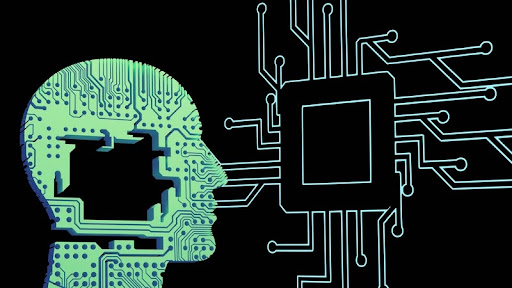
Behind every digital system, algorithms quietly drive the logic.
Ever wondered what goes on behind the scenes when an algorithm “decides” something for you? We hear the word all the time, on social media, in tech news, and even in everyday conversations. But when you stop and think about it, do most of us know how algorithms work? Probably not. That’s what we’re diving into today: the mechanics, the process, and why these invisible systems have such a huge impact on our digital lives.
What Is an Algorithm in Simple Terms?
At its core, an algorithm is just a set of instructions. Nothing fancy, nothing mystical, it’s a recipe for solving a problem or completing a task. The ingredients? Data. The steps? A carefully designed process. The final dish? An output, whether that’s an answer, a prediction, or a decision.
What makes algorithms so powerful is that they leave no room for guesswork. Every step has to be clear, precise, and unambiguous. That’s why they’re the backbone of digital systems; they don’t rely on “gut feeling.” They rely on rules.
How Do Algorithms Work Step by Step?
Think of an algorithm as a little machine that takes something in, does some behind-the-scenes work, and then spits something out. There are three main stages:
- Input – This is the data the algorithm receives. It could be numbers, words, images—anything that needs processing.
- Processing – The rules or logic are applied here. The algorithm follows its set of instructions, step by step, without skipping.
- Output – The result is delivered. That could be an answer, a sorted list, or a prediction.
It’s like asking a question, waiting for the brainpower in the background to kick in, and then getting a neat, packaged answer in return.
What Are the Different Types of Algorithms?
Not all algorithms are built the same way, and they don’t all serve the same purpose. Some are designed to organize, some to find, and others to adapt. Here are a few broad categories:
- Sorting algorithms – These put data in order.
- Searching algorithms – These look for specific items within large sets of information.
- Decision-making algorithms – These evaluate conditions and choose the best option.
- Learning algorithms – These go a step further by adapting over time, based on feedback and patterns in data.
You don’t need to memorize the technical jargon, but it helps to know that different problems require different algorithm “flavors.”
Why Is Data So Important to Algorithms?
Here’s the thing: algorithms are only as good as the data they’re given. If the input is messy, incomplete, or biased, the output will reflect that. This is often summarized in a classic saying: garbage in, garbage out.
When data is clean and well-structured, algorithms run smoothly and provide reliable results. But when data is flawed, errors show up fast. That’s why a lot of work behind the scenes isn’t just about building the algorithm; it’s about preparing the data so the algorithm can make sense of it.
How Do Algorithms Measure Efficiency and Complexity?
Not all algorithms are equally efficient. Some are fast and light; they zip through huge amounts of data with minimal effort. Others are heavier, using more time or resources to get the job done.
Efficiency usually comes down to three factors:
- Speed – How quickly can the algorithm deliver results?
- Resources – How much memory or processing power does it need?
- Accuracy – Does it consistently provide the right answer?
The more complex an algorithm gets, the more it has to balance these three. A complicated system might be powerful, but if it’s too slow or resource-heavy, it won’t scale well.
Do Algorithms Work Alone or Together?
Here’s a secret: most algorithms don’t run in isolation. They interact with other algorithms, creating layers of processes that all work together.
Imagine it like a chain of logic. One algorithm organizes data. Another filters it. Yet another makes a decision based on it. Behind the scenes, this layering creates seamless experiences we take for granted, like systems that just “know” what you’re asking for and deliver it instantly.
What Are the Limitations of Algorithms?
Algorithms aren’t perfect. They can:
- Misinterpret data.
- Produce errors when instructions aren’t clear.
- Deliver unexpected outcomes if the design doesn’t account for edge cases.
This is why algorithms have to be tested and refined constantly. A poorly designed one can cause more problems than it solves, even if it looks good on paper.
Why Do Algorithms Matter in Everyday Digital Life?
Whether we notice it or not, algorithms are everywhere in the digital world. They help systems run smoothly, organize huge amounts of information, and make decisions in milliseconds. They allow technology to automate tasks, reduce human error, and process things at a scale no person ever could.
Even if you never write one yourself, knowing how they work makes the digital world feel less mysterious.
Instead of seeing algorithms as black boxes, you start to see them for what they are: structured instructions quietly shaping how things function behind the curtain.
Final Thoughts: Making Sense of the Hidden Machinery
Algorithms aren’t magic. They’re carefully built step-by-step instructions designed to process data and produce reliable results. By breaking down how they work, inputs, processes, outputs, and everything in between, you can better understand why they’ve become the backbone of modern technology.
Next time you hear about “the algorithm,” you’ll know it’s not some mysterious force. It’s a logical process running quietly in the background, doing exactly what it was programmed to do.
FAQs About Algorithms
Q: What’s the simplest way to explain how an algorithm works? A: An algorithm is a step-by-step set of instructions: take input, process it, and deliver output.
Q: Are all algorithms the same? A: No. Some sort, some search, some make decisions, and some learn from data to improve over time.
Q: Why do algorithms need so much data? A: Data is the fuel. The better and cleaner the data, the more accurate and reliable the algorithm’s results.
Q: Can algorithms make mistakes? A: Yes. If they’re designed poorly or fed with bad data, they can give flawed or biased results.
Q: Why should I care about how algorithms work? A: Because they shape nearly every digital experience, from how information is organized to how decisions are automated.
If you’ve been curious about what’s happening “under the hood” of technology, learning about algorithms is one of the best ways to start. They’re not mysterious, they’re logical, structured, and very human in their design.
About the Author