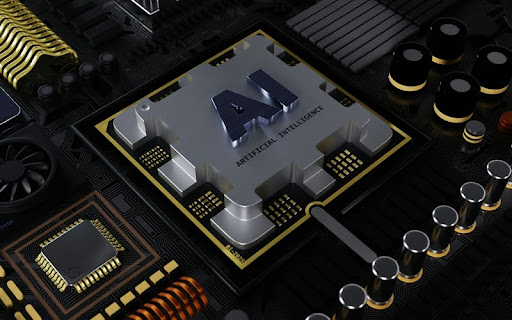
AI at the core—where algorithms meet computing power
Artificial intelligence, or AI, seems to be everywhere these days. From the apps we use every day to the behind-the-scenes systems in industries we don’t think about much, AI is quietly changing how things work in our world. And what’s the main part that makes all this happen? It’s algorithms. They are like invisible engines pushing AI forward, helping it make choices, find patterns, and learn continuously.
But here’s the important question: what’s ahead for algorithms in AI? Will they just keep getting quicker and more complicated, or are we close to discovering a totally new type of intelligence? Let’s break it down step by step.
What are AI algorithms, and why do they matter?
To keep it simple, an algorithm is a list of steps to follow, kind of like a recipe. In AI, algorithms guide machines on how to handle data, find patterns, and get better at tasks. You can think of them as the brains behind the operation: the logic that enables AI to learn and change.
Why does this matter to you? Because as algorithms improve, they alter how AI interacts with humans. Smarter algorithms lead to better recommendations, more accurate predictions, and systems that can perform jobs we used to think only people could do.
How have AI algorithms changed over time?
AI algorithms didn’t just appear out of nowhere. They have developed in stages, and each stage opened up new opportunities:
Rule-based systems: In the beginning, AI depended on strict if-then guidelines. They helped solve basic problems but were limited and inflexible.
Machine learning: This changed everything. Instead of giving AI every single rule, we provided it with data, allowing it to learn patterns by itself.
Deep learning: All of a sudden, AI could analyze a lot of data, recognize pictures, translate languages, and even create text that sounds like a human wrote it.
Right now, we’re in a stage where algorithms not only process data but are also learning how to better themselves. This leads us to something much bigger.
What trends are influencing the future of AI algorithms?
If you’ve been asking, “What’s the next big breakthrough in AI? ” you’re not alone. Researchers, tech companies, and governments are all trying to figure out the answer. A few major trends are already emerging:
Efficiency and scalability: Algorithms are being created to manage large amounts of data without wasting energy or needing constant hardware upgrades.
Hybrid models: These models blend logical reasoning (rules-based AI) with statistical learning (data-driven AI) to create systems that can explain their choices while still being adaptable.
- Continuous learning: Future algorithms won’t just train once and stop; they’ll keep learning on the go, adapting to new information just like people do.
These shifts suggest AI will become less about brute force computation and more about clever, adaptive design.
Can algorithms teach themselves?
The short answer: yes, to some extent. This is where things get exciting. Self-improving algorithms are already being tested. Through processes like meta-learning (sometimes called “learning to learn”), algorithms can tweak their structure to perform better over time.
Imagine a system that doesn’t need engineers constantly adjusting it. Instead, it spots its weaknesses and adjusts on its own. That’s a step closer to autonomy, and maybe even a hint at general intelligence.
But here’s the kicker: full self-improvement isn’t simple. These algorithms need massive amounts of data and computing power. Plus, they raise ethical questions: if an AI changes its own “recipe,” who’s really in control?
Why does ethical AI matter in the future of algorithms?
AI algorithms don’t just solve math problems. They shape decisions about hiring, healthcare, education, finance, you name it. That’s why ethical AI is becoming non-negotiable.
Future algorithms will need to tackle a few big issues:
- Transparency: People want to know why an AI made a decision, not just the result.
- Bias reduction: Algorithms are only as good as the data they’re fed. If the data is biased, the outcome will be too.
- Fairness and accountability: Regulations are pushing AI developers to make systems that treat everyone fairly and explain their reasoning clearly.
In short, the algorithms of tomorrow can’t just be powerful; they also have to be trustworthy.
How will algorithms work alongside humans?
There’s a lot of talk about AI replacing jobs, but the more realistic future is collaboration. Algorithms will increasingly be designed to support human decision-making rather than replace it.
Picture this: instead of an AI taking over a task completely, it acts like a partner. It crunches numbers, analyzes data, and suggests solutions, but a human makes the final call.
This kind of human-AI teamwork could show up everywhere from classrooms to hospitals to creative industries. Instead of competing with us, algorithms could help us do our jobs better, faster, and with fewer mistakes.
What challenges could slow down AI algorithms?
For all the excitement, the road ahead isn’t without bumps
- . Here are a few of the biggest obstacles:
- Data problems: Algorithms thrive on high-quality data. But not all data is clean, accurate, or accessible.
- Energy use: Training large AI models requires enormous amounts of electricity. Sustainability will be a major concern.
- Regulation: Governments are already stepping in to set limits. The balance between innovation and oversight will affect how quickly algorithms evolve.
These challenges don’t mean progress will stop; they just mean it’ll have to be more thoughtful.
So, what does the future of AI algorithms look like?
Looking ahead, AI algorithms are likely to become more:
- Adaptive: Learning and adjusting continuously.
- Ethical: Designed with fairness and transparency built in.
- Collaborative: Working alongside humans rather than against them.
The long-term vision? Algorithms that act less like tools and more like partners. Not machines replacing us, but systems that extend human intelligence in ways we can’t yet fully imagine.
FAQ: Common Questions About the Future of AI Algorithms
Q: What role will algorithms play in the future of AI? A: Algorithms are the foundation of AI. As they become more advanced, they’ll enable systems to learn faster, make better decisions, and collaborate more effectively with humans.
Q: Will AI algorithms replace human jobs? A: Some tasks may be automated, but the bigger trend is collaboration. Algorithms will handle data-heavy tasks, while humans focus on creativity, strategy, and judgment.
Q: How can AI algorithms be made more ethical? A: By improving transparency, reducing bias in data, and holding developers accountable. Regulations and better design practices are already pushing in this direction.
Q: What’s the biggest challenge facing future AI algorithms? A: Sustainability is a major concern. Training large models consumes a lot of energy, so the future will depend on making algorithms more efficient.
Q: Will algorithms ever become fully autonomous? A: They’re moving in that direction with self-improving techniques, but full autonomy is still a long way off, and comes with big ethical questions.
Final Thoughts
Algorithms are the heartbeat of artificial intelligence. They’ve already come a long way, but the future promises something far more dynamic: systems that learn continuously, respect ethical boundaries, and work alongside humans rather than against them.
So, the next time you ask your phone a question, stream a movie, or wonder how traffic lights are timed, remember, algorithms are already shaping your world.
About the Author




