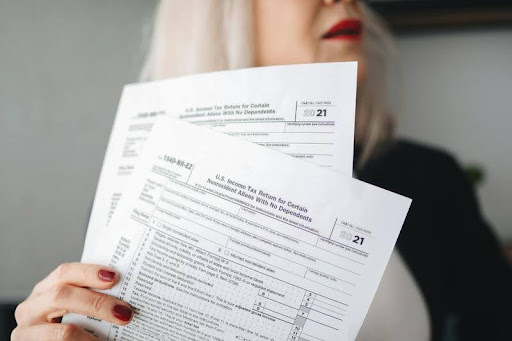
When the IRS sends a letter, staying calm and organized can make all the difference.
Your calm, clear-headed guide to making sense of tax letters from the IRS
Let’s be real for a second, getting mail from the IRS isn’t anyone’s idea of fun. You spot that logo on the envelope, and your stomach sinks. “Am I in trouble?” “Did I mess something up?” If your heart skips a beat, you’re not alone. But here’s the truth: most IRS notices are routine, not reasons to freak out.
So before you go spiraling into worst-case scenarios, take a breath. This guide is here to walk you through exactly how to handle IRS notices, without the panic. You’ll learn what these letters really mean, how to respond, and how to keep things from snowballing.
Let’s dive in.
Why Did I Get a Letter from the IRS?
The IRS sends notices for a bunch of reasons, and not all of them are scary. In fact, some are just informational. The most common reasons include:
- A math or data error on your return
- A missing document or signature
- A change or correction made by the IRS
- A notice of balance due or payment confirmation
- A flag for underreported income
- A scheduled audit or a request for more documentation
Here’s the thing: not all IRS mail means you owe money. Some notices just want clarification. Others let you know a correction was made. The key is understanding what type of letter it is, which brings us to the next point.
What Should I Do When I Get an IRS Notice?
First step: open it. Seriously. Don’t let it sit on the counter for three weeks collecting dust. Ignoring an IRS letter doesn’t make it go away, it just makes things worse.
Once you open it, read every part carefully. Look for:
- Notice number (usually at the top right or bottom)
- The issue being raised
- Dates or deadlines
- What they want you to do next
It’s all there. It might be wrapped in formal language, but it’s usually clearer than people expect. Reading it thoroughly gives you control over the situation, and that’s the first step to ditching the panic.
What Do IRS Notice Codes Mean?
You might see something like CP2000 or LT11 in bold. These codes aren’t random, they point to specific types of notices. Here’s a quick breakdown of the most common series:
- CP2000 – The IRS thinks you underreported income
- CP501/CP503 – Reminders that you owe money
- CP12 – The IRS corrected your return, and you may get a refund
- LT11 – Final notice before levy (serious, but not always irreversible)
- CP75 – Request for documents to verify a credit or claim
Want to know exactly what your notice means?
Search the notice number on the IRS website. They have a tool that explains each one in plain language.
What If I Think the IRS Is Wrong?
Not every notice is right. IRS systems rely heavily on automated processes, and sometimes they misinterpret things.
If you disagree with the notice:
- Stay calm and recheck your original tax return.
- Gather documents that support your case (W-2s, 1099s, receipts, etc.)
- Write a clear, polite explanation of why you disagree
- Include copies (not originals) of your supporting documents
- Respond by the deadline listed in the notice
Don’t ignore it just because you think it’s wrong. If you miss the response deadline, the IRS can move forward based on their assumption, and that might mean more penalties or collection activity.
What’s the Best Way to Respond to the IRS?
It depends on the notice and what’s being asked, but here are general guidelines:
- Agree with the notice? Pay the amount owed (if any) using the instructions provided. You can usually pay online at irs.gov/payments.
- Need to dispute something? Mail your response with all supporting documentation. Certified mail is smart; it gives you proof of delivery.
- Need more time? Sometimes you can request an extension by phone or by responding in writing.
Whatever you do, do it before the deadline. The IRS doesn’t wait forever, and missing your window could lead to additional interest or legal action.
When Should I Call the IRS?
You might be able to clear things up with a phone call. But fair warning: wait times can be long, especially during tax season. Still, there are times when calling makes sense, like:
- You don’t understand the notice and need clarification
- You want to verify it’s legit (yes, IRS scams are a thing)
- You need to request more time or appeal a decision
If you’re calling, have the notice and your tax info nearby. You’ll likely need:
- Your Social Security number or ITIN
- Your most recent tax return
- Any documents related to the notice
Pro tip: Call early in the morning to beat the rush. Mondays and Fridays tend to be busiest.
Should I Get Help with an IRS Notice?
Not always, but there are definitely times when professional help is a good move, especially if:
- You’re being audited
- The amount in question is large
- You’re getting multiple notices and feel overwhelmed
- You don’t feel confident handling it on your own
A certified tax professional, like an enrolled agent, CPA, or tax attorney, can help you respond properly, avoid costly mistakes, and even represent you in communications with the IRS.
How Can I Avoid IRS Notices in the Future?
While you can’t always avoid every notice, there’s plenty you can do to lower the odds:
- Double-check your return before filing (math errors are common)
- Report all your income (don’t forget those 1099s or side gigs)
- Keep detailed records of deductions and credits
- Respond to prior IRS letters on time
- Use reputable tax software or a trusted professional
- Make sure your address is up to date with the IRS
Want to go the extra mile? Set up an online IRS account to monitor your tax info, notices, and payment history in one spot. It’s free, secure, and makes staying on top of your taxes way easier.
Final Thoughts: Don’t Panic, Just Act
Nobody likes getting a letter from the IRS. But panicking won’t fix it, reading it, understanding it, and responding promptly will.
The good news? You’re not powerless. Most notices can be cleared up with a simple explanation, a quick payment, or sending in the right paperwork. The key is to take action, stay organized, and ask for help if you need it.
Still unsure what to do next? Keep this simple three-step mantra in mind: Open. Understand. Act. That’s how you handle IRS notices without the stress spiral.
Quick FAQ: Common Questions About IRS Notices
Q: Are all IRS notices bad? A: Nope! Some are informational or even show you’re getting a refund. Others just ask for clarification.
Q: What happens if I ignore a notice? A: Ignoring it could lead to interest, penalties, or enforced collection actions. Always respond before the deadline.
Q: Can I email the IRS my response? A: No. The IRS doesn’t use email for notices. Respond by mail or online through their official portals.
Q: How can I tell if an IRS notice is a scam? A: Real IRS notices come by mail. If you get a call, email, or text demanding payment, it’s likely a scam. You can verify notices at irs.gov.
Q: What’s the fastest way to pay if I agree with the notice? A: Visit irs.gov/payments to pay securely online with a bank account or card.
About the Author




