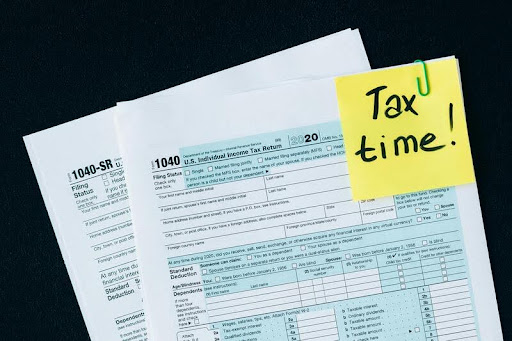
Sorting through tax forms—because filing season waits for no one.
Filing your taxes isn’t exactly the most exciting task on your to-do list, right? But getting it wrong, now that can lead to headaches, delays, and in some cases, surprise letters from the IRS. Ouch.
Whether you’re filing on your own or using tax software, one small misstep can mess up your refund, slow things down, or even trigger an audit. But here’s the good news: Most tax filing mistakes are avoidable if you know what to look out for.
So let’s walk through the most common tax filing slip-ups and how to steer clear of them. Think of this as your tax season cheat sheet, designed to help you file with confidence, avoid penalties, and get any money you’re owed as quickly as possible.
What personal information should I double-check before filing taxes?
Always verify your name, Social Security number, and filing status before you hit submit.
It might sound basic, but incorrect personal info is one of the top reasons returns get delayed or rejected. Got married and changed your name? Make sure it matches what the Social Security Administration has on file. Typing your SSN wrong? That’s a fast track to a rejected return.
If you’re claiming dependents, double-check their information too. A wrong digit or a misspelled name can raise red flags with the IRS system. And don’t guess your filing status; choose the one that best fits your current life situation. It affects your standard deduction and eligibility for credits.
Pro tip: If you’re not sure which filing status is right for you, the IRS has a free online tool to help.
What income do I have to report on my taxes?
All of it, including the stuff you might forget.
Let’s be real: It’s easy to focus on your main job and forget about the “little stuff.” But for the IRS, no income is too small. Whether it’s freelance gigs, side hustles, investment earnings, or unemployment benefits, if you earned it, it probably needs to be reported.
And no, just because you didn’t get a 1099 or W-2 doesn’t mean you’re off the hook. The IRS can match income records from employers, banks, and third-party platforms. If they spot something missing, they’ll let you know, usually in the form of a correction notice or a bill.
How do I know which tax forms to use?
Use the tax forms that match your situation, and make sure they’re the right year.
Choosing the wrong forms can delay processing or mess up your refund. For example, if you’re self-employed, you’ll likely need a Schedule C. If you have investment income, you might need a Schedule D. And if you’re filing on paper (less common now), using an outdated version of a form can cause big delays.
Tax software usually selects the correct forms automatically, but if you’re going the manual route, double-check with the latest IRS resources. Everything you need is available for free on irs.gov.
How can I avoid math mistakes on my tax return?
The best way to avoid math errors is to use tax software or a calculator and always double-check your work.
Math mistakes are one of the most common errors the IRS sees every year. They might seem small, but they can cause major problems if they affect your refund or tax liability. A few simple miscalculations and suddenly your numbers don’t match what the IRS expects.
If you’re doing your taxes by hand (which fewer people do these days), take your time. For everyone else using software or apps, don’t just click through; review your figures before submitting.
What happens if I enter the wrong bank account information?
If your direct deposit info is off, your refund might bounce, and you’ll be waiting a lot longer for a paper check.
Double-check your routing and account numbers before submitting your return. If there’s even one digit off, the IRS won’t be able to deposit your refund, and it might get returned to the Treasury Department.
Want your refund fast? Get those bank details right the first time.
When is the tax filing deadline, and why does it matter?
The federal tax deadline is usually April 15, but if you miss it, you could face penalties and interest.
Every year, folks miss the deadline because they forget, procrastinate, or run into last-minute problems. But filing late without an extension can cost you. If you owe taxes, you’ll be hit with a late filing penalty (typically 5% of the amount due, per month, up to 25%).
Even if you can’t pay yet, file anyway. You can always request a payment plan, but skipping the deadline entirely just makes things worse.
Quick tip: Use your calendar app or a reminder tool to set a few alerts leading up to tax day.
Do I need to sign my tax return?
Yes, every return needs to be signed or electronically verified, or it won’t be accepted.
Paper filers need to physically sign their tax return.
E-filers must verify their identity using either last year’s Adjusted Gross Income (AGI) or a unique PIN.
It’s easy to overlook this last step, especially if you’re in a rush, but forgetting it can delay everything. Your return won’t even be processed without a valid signature.
Should I keep a copy of my tax return?
Always save a copy of your return for your records.
You’ll need it if you apply for a loan, verify your income, or file an amendment later. It’s also helpful for tracking carryover deductions, comparing year-to-year finances, or providing proof of filing if something goes sideways.
The IRS recommends keeping your records for at least three years, but many experts say hold onto them for seven years, especially if you have complex filings or business deductions.
Is it bad to wait until the last minute to file taxes?
Rushing increases your chances of making mistakes and missing out on deductions or credits.
Let’s face it: Most people don’t love doing their taxes. But when you wait until the final days, you’re more likely to overlook things or enter wrong info just to get it done.
Starting early gives you time to gather documents, ask questions, and review everything carefully. Plus, if you’re expecting a refund, you’ll get it faster.
Bottom line? Don’t wait. Your future self will thank you.
Final Thoughts: Filing Taxes Doesn’t Have to Be Stressful
You don’t have to be a tax pro to get things right; you just need to pay attention to the details. From double-checking your info to making sure you report all income, these small steps can save you a ton of trouble.
Remember, the IRS isn’t out to get you, but it is a stickler for accuracy. Avoiding these common tax filing mistakes can mean faster refunds, fewer headaches, and a smoother tax season all around.
FAQ: Common Tax Filing Questions
Here’s a quick-hit FAQ section to wrap things up and answer some of the most Googled tax filing questions:
Q: What’s the best way to avoid tax mistakes? A: Start early, use reliable tax software, and review your return carefully before submitting.
Q: Can I fix a mistake after I file my taxes? A: Yes. You can file an amended return (Form 1040-X) if you catch an error after submitting.
Q: What if I can’t file my taxes on time? A: File for an extension using Form 4868 to avoid late filing penalties. But remember, it doesn’t delay payment if you owe.
Q: Do I have to report income from side gigs or freelance work?
A: Yes, all income must be reported, even if you didn’t get a 1099 form.
Q: Is it better to e-file or mail my tax return? A: E-filing is faster, more accurate, and usually comes with a quicker refund.
Ready to File? Keep This in Mind
Filing your taxes isn’t fun, but getting them done right feels pretty great. Take your time, avoid the rush, and don’t ignore the little details. They make a big difference.
Have questions along the way? Bookmark this guide or share it with a friend who might need it. And if your situation gets complicated, there’s no shame in asking a tax professional for help.
Now go ahead, tackle that tax return like a pro.
About the Author