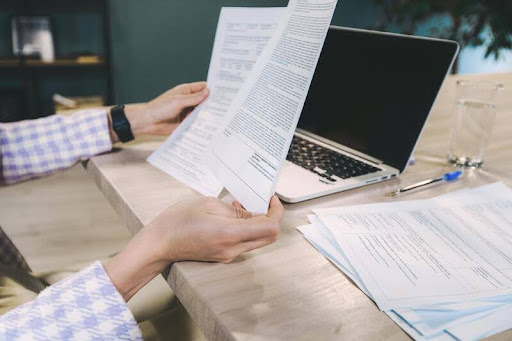
Sorting through paperwork—because tax time always starts with a stack of files
Filing your taxes: just saying those three words is enough to make most people cringe. Whether you’re staring at a W-2 or juggling self-employment income, one question pops up every year: Should I do my taxes myself or hire a professional?
It’s a good question. And the answer? It depends. Everyone’s financial situation is a little different, which means the “right” approach isn’t one-size-fits-all.
In this post, we’ll help you figure out whether DIY tax filing or working with a tax professional makes more sense for you. We’ll cover the pros and cons of both options, what to consider based on your life situation, and how to make the smartest choice for your time, wallet, and peace of mind.
How complicated is your tax situation?
Let’s start with the basics: complexity matters. If your taxes are pretty straightforward, maybe you’ve got a single W-2 job, no dependents, and no big life changes, it might take you less than an hour to file using software like TurboTax or FreeTaxUSA.
But if any of these sound familiar, things can get trickier:
- You’re self-employed or freelance
- You bought or sold a home
- You have investment income or cryptocurrency transactions
- You have kids and claim tax credits
- You got married or divorced
- You received unemployment or stimulus payments
Even a couple of those can turn a simple return into a maze of forms, calculations, and IRS jargon. That’s when it’s worth asking: do I have the time and patience to handle this on my own?
What are the benefits of doing your own taxes?
DIY tax filing is cheaper, that’s the obvious draw. You can file for free in many cases, especially if you qualify for the IRS Free File program (available to those earning $79,000 or less). Even paid software usually costs far less than hiring a pro.
You’re also in control. You get to see every number, every deduction, and every credit as you go. If you’re someone who likes knowing exactly how your refund is calculated or how much you owe, this can be empowering.
Plus, tax software keeps getting better. Most tools walk you through everything step-by-step, with prompts and explanations that make it feel more like a guided quiz than a math test.
And let’s not forget, you might actually learn something.
Filing your own taxes helps you understand how your money flows. That knowledge pays off down the road, especially if your situation becomes more complex over time.
What are the downsides of DIY tax filing?
Of course, it’s not all sunshine and savings. The biggest risk? Making a mistake. Even with software, it’s easy to misreport something, miss a deduction, or misunderstand a question. According to the IRS, one of the most common filing errors is incorrect income reporting, and that can delay your refund or trigger penalties.
You also might not know what you’re missing. Let’s say you qualify for a less-obvious tax credit, like the Saver’s Credit or a home office deduction. If you don’t know it exists or how to claim it, you could leave money on the table.
And then there’s the stress. For some people, just opening the IRS website is enough to spike their blood pressure. If tax time gives you that knot-in-the-stomach feeling, going it alone might not be worth the anxiety.
Why hire a tax professional?
Tax professionals, like CPAs, enrolled agents, or seasoned preparers, know the system inside and out. They’ve seen it all. When you work with one, they can:
- Spot deductions or credits you didn’t know you qualified for
- Navigate complex forms or calculations
- Help with itemizing vs standard deductions
- Provide audit support or represent you if the IRS reaches out
They’re also great at catching red flags before they become IRS problems. Say you forgot to report a side gig. A good pro will ask the right questions and make sure everything’s covered.
And most importantly? They save you time. Instead of spending hours researching tax codes or trying to figure out why your numbers don’t add up, you hand over your documents, and they handle it from there.
What are the drawbacks of hiring a tax professional?
Let’s talk cost. According to the National Society of Accountants, the average fee for a professional to prepare a basic Form 1040 with a standard deduction was around $220 in recent years. Add in itemized deductions, business income, or other forms, and the price can climb to $400 or more.
Not every preparer offers the same level of service or expertise, either. Some are just seasonal workers with minimal training, while others are licensed professionals with years of experience. You’ve got to vet them.
And even if you hire a pro, you still have to gather your documents, organize receipts, and answer questions. You’re not totally off the hook; it’s just less hands-on.
When does it make sense to do your own taxes?
So, when should you go the DIY route? If most of these apply to you, you’re probably in the clear:
- You have W-2 income only
- You don’t own a business or property
- You’re taking the standard deduction
- You didn’t have major life changes this year
- You feel comfortable with basic forms and using tax software
In short, your taxes are simple, and you’re confident handling them. Go for it.
When is hiring a tax professional the smarter move?
If you’re nodding along to the following, it’s probably time to bring in a pro:
- You’re self-employed or a small business owner
- You own rental property or multiple investments
- You had big financial shifts this year (like a divorce or inheritance)
- You want personalized advice for tax planning
- You’re worried about audits or owe back taxes
The more complex your return gets, the more it pays to get expert help. Not only can it reduce your risk of errors, but it may save you more money than it costs.
What’s the best way to choose between DIY and a pro?
Still unsure? Here’s a quick checklist to help you decide:
- How comfortable are you with numbers and forms?
- How much time are you willing to spend on this?
- Would a mistake cost you more than a filing fee?
- Do you want help with tax strategy, not just filing?
If you answered “not very,” “not much,” “yes,” or “absolutely,” you’ve got your answer.
If you’re feeling confident and your situation is clean and simple, give DIY a shot. But if anything about your tax life feels murky or stressful, hiring a professional might be worth every penny.
FAQ: Tax Professional vs DIY Tax Filing
Here are a few quick answers to common questions people ask:
Q: Is it cheaper to do your own taxes or hire a professional? A: DIY is almost always cheaper up front. But hiring a pro may help you find deductions or avoid costly mistakes, saving you money in the long run.
Q: What’s the best tax software for simple returns? A: Free options like TurboTax Free Edition, H&R Block Free Online, or IRS Free File are great for straightforward W-2 filings.
Q: Do I need a tax professional if I’m self-employed? A: It’s not required, but it’s highly recommended. Self-employment taxes can be tricky, and a pro can help maximize deductions and avoid errors.
Q: Can a tax preparer help me if I owe back taxes? A: Yes. A qualified tax pro can help you negotiate payment plans or offer guidance on resolving IRS issues.
Q: How do I find a reliable tax professional? A: Look for a certified public accountant (CPA), enrolled agent (EA), or someone listed in the IRS Directory of Federal Tax Return Preparers.
Final Thoughts: Make the Choice That Works for You
Tax season doesn’t have to be scary. Whether you file on your own or call in the pros, the key is understanding your needs, your comfort level, and your goals.
Some years, DIY makes total sense. Other times, the stakes are higher, and a professional eye is worth it.
Whatever you choose, make it an informed decision, and don’t wait until the last minute. Your taxes deserve more than a rushed guess.
About the Author