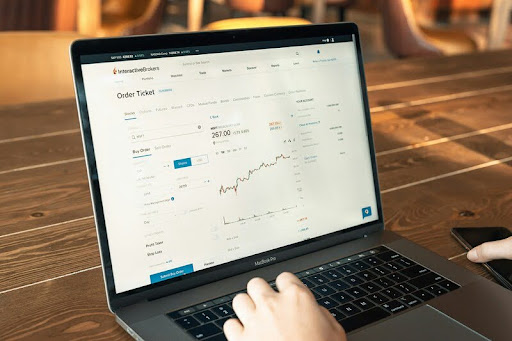
Taking control or letting automation lead—either way, it starts with a click.
Thinking about investing, but not sure whether to hand it off to a robo-advisor or take the reins yourself? You’re not alone. A lot of people are trying to figure out the best way to grow their money without getting overwhelmed by jargon, fees, or too many choices.
Whether you’re just starting or looking to switch up how you manage your investments, this guide will help you weigh the pros and cons. We’ll keep things simple, straightforward, and (hopefully) a little fun too. Let’s dive in.
What is a robo-advisor, and how does it work?
A robo-advisor is an automated investment platform that builds and manages a portfolio for you, based on your financial goals, timeline, and risk tolerance. Think of it like a digital financial assistant that never sleeps. You answer a few questions when you sign up, and the algorithm takes it from there.
Most robo-advisors invest your money in low-cost index funds or ETFs (exchange-traded funds), automatically rebalance your portfolio when things get out of whack, and even help you with tax strategies like tax-loss harvesting. It’s all done with minimal input from you.
Robo-advisors are typically offered through platforms like Betterment, Wealthfront, and major brokerage firms like Vanguard or Fidelity. They’re built for convenience, so if you’re not a numbers nerd or don’t want to spend your weekends reading financial reports, they can be a solid option.
What does managing your portfolio involve?
Managing your portfolio, also called DIY investing, means you’re in charge. You pick the investments, monitor performance, adjust things over time, and decide when to buy or sell. It’s the hands-on route.
Most people who go this route use a brokerage account (like Schwab, Fidelity, Robinhood, or E*TRADE) and build their mix of stocks, bonds, ETFs, or mutual funds. You’re the boss, but that also means you carry the weight of your decisions.
DIY investing appeals to folks who want more control, enjoy learning about the market, or believe they can outperform automated systems. But it can also be time-consuming and a little risky if you’re just guessing.
Robo-advisor vs. self-directed investing: Which is better?
The truth? Neither is “better” across the board. It all depends on what kind of investor you are and what you want out of the experience.
Here’s a side-by-side breakdown to help you decide:
What are the pros and cons of using a robo-advisor?
Pros:
- Easy to use: No investing experience required. You plug in your goals, and it gets to work.
- Low effort: Once you’re set up, the platform handles rebalancing and adjusting your portfolio.
- Affordable: Most charge between 0.25%–0.50% in management fees, which is lower than traditional financial advisors.
- Emotion-free investing: Algorithms don’t panic-sell during market dips.
Cons:
- Limited control: You can’t always tweak your investments the way you might want to.
- Less personalized: It’s based on general profiles, not deep conversations.
- No human interaction (usually): If you like talking through your options with a person, you may feel a bit…alone.
What are the pros and cons of managing your investments?
Pros:
- Full control: You decide what to invest in, when, and how much.
- Flexible strategy: Want to focus on dividends, growth stocks, or sustainable companies? It’s all up to you.
- Potentially lower fees: No advisor fee, just the standard fund expense ratios and trade costs (many brokers offer No advisor fee, just the standard fund expense ratios and trade costs (many brokers offer $0 commissions now). commissions now).
Cons:
- Time-intensive: Researching, rebalancing, and staying informed takes effort.
- Steeper learning curve: Mistakes can be expensive if you don’t know what you’re doing.
- Emotional decisions: It’s easy to react emotionally to market swings, and that rarely ends well.
How do I know which investing style is right for me?
Ask yourself a few honest questions:
- Do I enjoy managing money, or does it stress me out? If the idea of checking your portfolio makes you anxious, a robo-advisor might be a better fit.
- How much time do I have (or want) to spend on investing? DIY investing isn’t a full-time job, but it does require regular attention.
- Am I confident in making investment decisions? If you’re brand new to this, robo-advisors offer a safer starting point while you learn the ropes.
- Do I want to save on fees, or am I willing to pay a bit for convenience? Robo-advisors are still cheaper than most human advisors, but DIY might offer the lowest cost overall, if you know what you’re doing.
- What are my financial goals? If your goals are relatively straightforward (retirement, saving for a house), automation works well. If you have complex needs (estate planning, small business investments), you may want more control or professional guidance.
Can I mix both robo-advising and DIY investing?
Absolutely, and a lot of people do.
You might use a robo-advisor for long-term retirement savings, while actively managing a separate brokerage account for shorter-term goals or just for fun. That way, you get the best of both worlds: hands-off growth in one corner and hands-on learning in the other.
Think of it like having both a crockpot and a stovetop. One simmers away while you experiment with new recipes.
Is DIY investing harder than it looks?
It can be. The internet is packed with investing advice, some good, some not so much. Without a plan, it’s easy to fall into “shiny object syndrome,” constantly chasing the next hot stock or trend.
Plus, managing risk, understanding asset allocation, and sticking to your strategy during market drops isn’t always as simple as it sounds. The average investor tends to underperform the market, often because they try to time it or let emotions take over.
If you’re willing to learn and stay disciplined, DIY investing can be incredibly rewarding. But it’s not a shortcut to riches, and it’s not for everyone.
What’s the best way to get started with either option?
If you’re leaning toward a robo-advisor:
- Compare platforms based on fees, account minimums, and features.
- Look for one that offers goal setting and educational tools.
- Start small and increase contributions over time.
If you’re going DIY:
- Choose a reputable brokerage with low or no trading fees.
- Read up on index funds, asset allocation, and risk tolerance.
- Build a simple, diversified portfolio, then keep it consistent.
- Avoid trying to “beat the market” unless you know what you’re doing.
Quick stats to keep in mind
- As of 2024, U.S. robo-advisors managed over $1.5 trillion in assets, up from just $200 billion in 2017.
- Around 1 in 3 millennial investors use a robo-advisor, while Gen X and Boomers are more likely to go the DIY or advisor-assisted route.
- The average fee for a robo-advisor is 0.25%–0.50%, compared to 1% or more for traditional financial advisors.
Bottom line: Should you use a robo-advisor or go DIY?
If you want simplicity, automation, and a reliable long-term strategy with minimal effort, go with a robo-advisor.
If you’re interested in learning, experimenting, and having more control over where your money goes, DIY might be your lane.
Or maybe you don’t have to choose at all. Combining both approaches is more common than ever and can help balance convenience with control.
FAQs: Robo-Advisors vs DIY Investing
Q: Can I trust a robo-advisor with my money? A: Yes, most robo-advisors are backed by well-known financial institutions and are regulated just like traditional brokers.
Q: Is it cheaper to manage my own investments? A: Generally, yes, but it depends on your strategy. DIY investors may still pay fund fees and face higher costs if they trade often.
Q: What if I want to switch from robo to DIY later? A: You can transfer your assets to a brokerage account and take over management at any time, though there may be tax implications.
Q: Are robo-advisors good for beginners? A: Absolutely. They’re a low-stress way to start investing, especially if you’re unsure where to begin.
Q: How often should I rebalance my DIY portfolio? A: A good rule of thumb is to review it quarterly or at least once a year, or when your asset mix shifts significantly.
About the Author




