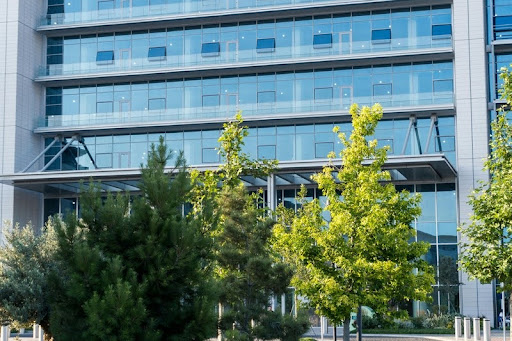
Where modern design meets nature — the future of sustainable commercial spaces begins here.
The Shift Toward Sustainable Commercial Real Estate
Sustainability used to be a “nice to have.” Today? It’s becoming a business imperative, especially in commercial real estate. More and more property owners, developers, and investors are asking: What if green design isn’t just good for the planet, but also good for the bottom line? The short answer: it can be. And this article walks you through how and why.
We’ll talk about what makes a commercial building “sustainable,” dig into how that translates into returns, and show you the key levers to pull if you’re thinking of going green. No case studies with specific companies here, just the insights and metrics to help you understand the big picture. Ready? Let’s go.
What is a “sustainable commercial building” anyway?
When you hear “sustainable commercial building,” what comes to mind? Solar panels? Recycled materials? Sure, but it’s more than that. At its core: a building designed and operated to use less energy and water, produce fewer emissions, create healthier indoor environments, and last longer.
Common features:
- Energy-efficient systems (lighting, HVAC, insulation)
- Renewable energy integration (solar, wind, geothermal)
- Water conservation strategies (low-flow fixtures, recycling, rainwater capture)
- Eco-friendly materials and smarter design (local sourcing, low embodied carbon)
- Recognition via certifications such as the U.S. Green Building Council’s LEED or the WELL Building Standard
These features mean less waste, smaller utility bills, and often a more appealing space for tenants. It’s no longer niche. For example, a recent report states that sustainable CRE assets are recognized for lower operational costs, premium rents, and higher value. (Steers Global Real Assets)
So when you ask “what is a sustainable commercial building?” you can answer: a space built or upgraded with future-proofing in mind, one that uses resources more efficiently and delivers value beyond bricks and mortar.
Why does being eco-friendly help with profits?
Alright, we understand what being sustainable means. Now, let’s talk about why it’s beneficial. Here are the key reasons, and they all connect back to making money.
Lower running costs, using less energy, water, and creating less waste, help to boost your income from operations.
Higher property worth, eco-friendly Buildings usually have higher prices and can be sold or rented out more quickly. (Steers Global Real Assets)
Better attraction and keeping of tenants, More businesses are looking for places that show they care about the environment. This leads to fewer empty spaces and more chances for leases to be renewed.
Less risk and more strength. With stricter building rules and rising insurance and climate-related costs, eco-friendly buildings are in a stronger position. (World Economic Forum)
Standing out from the competition in a busy real estate market, an eco-friendly building can grab attention. This can lead to higher rental prices or more consistent occupancy.
In summary, being sustainable isn’t just about being nice. It makes good business sense. The profits add up when you think about both quick savings and lasting property value.
How much can you reduce your operating costs?
Let’s look at the numbers. Saying “you can save money” is nice, but showing “you could save X %” is more convincing.
One study found that buildings with green certifications can save on operational costs by 14-30% compared to buildings without certifications. (Primior)
Another report says that certified buildings can charge 7.1-11.6% more in rent in some U. S. markets. (Primior)
The building materials sector shows that energy use in commercial buildings makes up about 30% of all global energy consumption, so there’s a big opportunity to use energy more efficiently. (sustainalytics.com)
Reports also mention that many commercial real estate investors now consider ESG (environmental/social/governance) factors, with projections reaching 70% by 2025 compared to 56% in 2021. (Agora)
What does this mean in real life? Imagine you own an office building that’s 100,000 sq ft. If you cut your energy and water expenses by 20%, you would immediately see an increase in your net operating income.
That means better cash flow, which means higher value (assuming capitalization rates stay the same). It’s simple math with real impact.
Can sustainable design increase property value and market competitiveness?
Short answer: yes. Good design + green credentials = strong value proposition.
Here’s why:
- Buyers and investors often pay more for assets with sustainable features because they expect lower risk, better tenant profiles, and longer-term relevance.
- Tenants are increasingly choosing buildings that align with their corporate responsibility goals, so landlords can charge a premium or incur lower free rent periods.
- Governments are putting more regulations and performance standards in place (especially in places like California, New York), which means assets built or upgraded ahead of time face less risk. (Agora)
- Certifications matter: For example, LEED or ENERGY STAR labels are recognized signals of quality and can boost asset value. (usgbc.org)
So the takeaway: investing in sustainability isn’t just about cost savings. It’s about future-proofing your asset and keeping it attractive in a competitive market.
How do sustainable buildings help attract and retain tenants?
Think about tenants today: it’s no longer just location, lease terms, and building finishes. It’s also about brand image, employee wellness, and environmental footprint. Tenants ask: Is this space good for my people? For my reputation? For the planet?
Here are key ways sustainable buildings answer those questions:
- Healthier indoor environments: better air quality, natural light, less noise, and more comfort. This can improve occupant satisfaction and productivity.
- Sustainability as part of corporate identity: Many companies explicitly seek green leases and sustainable office space to meet CSR (corporate social responsibility) goals.
- Flexibility and tech readiness: sustainable buildings often include smart systems and infrastructure that tenants value.
- Lower risk of disruptions: with efficient systems and resilient design, tenants face fewer outages or high utility bills, always a plus.
In short, better buildings attract better tenants, and the kind of tenants you want (stable, long-term, financially strong) make your investment more solid.
Why is long-term resilience and reduced risk important?
Here’s something you might not have thought much about: risk. Not just “Will the building leak?” but “Will this asset hold up in 10-15 years? Will tenants still want it? Will regulations make it obsolete?”
Sustainable commercial buildings help address those risks by:
- Using durable, high-quality materials and systems means lower maintenance and fewer surprises.
- Matching or anticipating future regulatory requirements (e.g., energy performance standards, carbon disclosure mandates) so you’re not caught scrambling. (World Economic Forum)
- Offering better adaptability, for example, a building designed with flexible systems is easier to retrofit or repurpose, which is a huge plus in an evolving market.
- Mitigating climate and environmental risk: extreme weather, rising energy/water costs, and grid instability, all factors that sustainable design helps buffer.
Consider this: a building that already meets high sustainability standards might avoid costly retrofits down the line. That means less risk, which often means a premium in valuation. Investors like that.
How do you measure the financial impact of going green?
You’ve got the theory. But how do you measure whether the investment is working (or will work)? Here are steps you can take:
- Energy audits and benchmarking: before and after, track metrics like energy use intensity (EUI), water usage, and maintenance spend.
- Cost-benefit modeling: compare the higher upfront cost (if any) of sustainable upgrades to projected savings and increased revenue (e.g., higher rents, lower vacancy).
- Tenant and occupancy data: monitor changes in lease rates, renewal rates, tenant feedback, and service requests.
- Certification and reporting: track your building’s performance through certifications or reporting standards; transparency builds investor/tenant confidence.
- Lifecycle cost analysis: look beyond initial construction/upgrade cost. Think 10-, 20-, 30-year horizon.
Operating costs typically dwarf initial costs over decades. (Construct Estimates)
Key tip: don’t treat a sustainable upgrade as a “cost” only. Treat it as a strategic asset investment. Then you’re measuring the right things: cash flow, value uplift, risk reduction.
What are common challenges and misconceptions?
Of course, it’s not all sunshine and solar panels. Some hurdles and myths need to be addressed up front.
Myth: Green buildings cost way more up front. Reality: Yes, some sustainable materials or systems might cost more initially, but many studies show the premium is small, often 0-2% extra at construction, and payback can be in 3-5 years. (Hidden ROI Benefits Most …”>Primior)
Myth: You’ll only see benefits far in the future. Reality: Some benefits (energy savings, tenant appeal, premium rents) can show up immediately. The longer horizon just magnifies the gains.
Challenge: Measuring ROI isn’t straightforward. Because you’re dealing with savings, value, and risk, some things are harder to quantify (tenant satisfaction, brand image, regulatory avoidance). But you can still use proxies and benchmarks.
Challenge: Retrofits can be disruptive and expensive. Yes, but orientation is changing. For many investors, retrofitting existing buildings is now preferred because it offers faster payback and less risk than new builds. (Agora)
Challenge: Inconsistent data and building comparability. Because every building is unique, and sustainability features vary widely. What matters is consistent measurement and transparent reporting.
By acknowledging these upfront, you’re in a stronger position to make informed decisions and avoid surprises.
What are the emerging trends in sustainable commercial development?
What’s next in this space? If you’re thinking long term, here are some trends you’ll want on your radar:
- Smart building tech and Internet of Things (IoT): Real-time energy monitoring, adaptive lighting/HVAC, occupant analytics. These turn buildings into dynamic assets, not static boxes. (Steers Global Real Assets)
- Net-zero and carbon-neutral standards: More buildings are aiming not just for “less bad” but for “no net emissions.” That raises the bar, and the value.
- Green financing and incentives: Tax credits, low-interest “green” loans, PACE financing, and other instruments that make sustainable upgrades more financially accessible.
(Hidden ROI Benefits Most …”>Primior)
- Retrofit wave: Instead of building brand-new, many owners are retrofitting older assets, faster ROI, less embodied carbon, and strong market demand. (Agora)
- Regulation + disclosure: Governments and investors are demanding clearer performance data. That means sustainability isn’t optional; it’s mandatory in many markets.
If you’re investing in commercial real estate, these are not “nice to know”; they’re becoming must-knows. The smart money is moving ahead of the curve.
Conclusion: The green advantage is real
So, what’s the bottom line? Sustainable commercial buildings aren’t just a “nice to have” for your portfolio. They’re a strategic move. They reduce costs, increase income potential, attract and retain quality tenants, and protect you from future risk.
If you’ve been on the fence, wondering whether to upgrade, build green, or just keep doing what you’ve always done, consider this: the market is shifting. Tenants want green. Investors demand it. Regulators expect it. If you wait, you might be behind. But if you move now, you gain a competitive advantage.
What do you plan to do? Start with a building audit, set your sustainability goals, and map out the payback. Then take the steps. Because the green advantage isn’t just good for the planet, it’s smart for your bottom line.
FAQ
Here are some common questions folks ask, with clear answers:
Q: What is the best way to measure ROI for a sustainable building upgrade? A: Track initial costs vs. annual savings (energy, water, maintenance), occupancy/lease metrics, and value uplift. Use lifecycle cost analysis and benchmark against similar assets.
Q: How quickly can I expect financial returns from green building investments? A: It depends on the scope, but many studies show payback periods of 3-5 years for upgrades. Some savings begin immediately through lower utility bills and improved tenant attraction. (Primior)
Q: Do green certifications (like LEED) really boost property value? A: Yes. Certified buildings often command higher rents and sale prices, and they typically have lower operating costs. Certification serves as a signal of quality and future-proofing. (Steers Global Real Assets)
Q: Is retrofitting an older commercial building a good strategy for sustainability? A: Absolutely. Retrofitting can deliver faster ROI, lower risk, and leverage existing assets. Especially in 2025, many investors favour retrofit over new construction. (Agora)
Q: What risks am I protected from by making a building sustainable? A: Regulatory risk (future laws), climate risk (extreme weather, supply chain disruptions), tenant risk (vacancy due to outdated building), and obsolescence risk (building that fails to meet future market expectations).
About the Author




