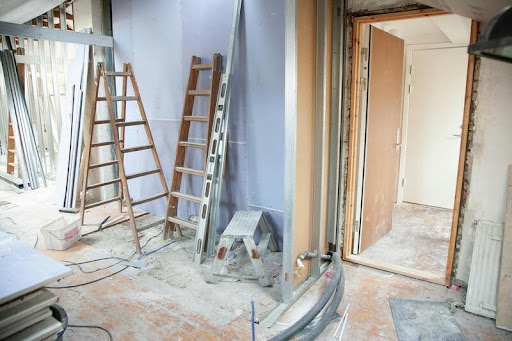
Transforming your home in style: renovation progress that balances luxury, modern design, and smart upgrades.
Transforming your home can be exhilarating. You envision that updated kitchen, a luxurious bathroom, or the spacious living area you’ve always wanted. However, let’s face it, nothing dampens enthusiasm faster than unforeseen expenses arising during your project. In 2025, the home renovation cost landscape is evolving. The prices for materials, labor, and permits are changing, making it crucial to stay updated.
This guide provides essential information about renovation expenses in 2025. By the end, you’ll understand what to plan for financially, what factors influence prices, and how to strategize to prevent surprises.
What’s Changed in Home Renovation Costs for 2025?
The renovation industry is continuously evolving. Various factors influence costs, making budgeting complicated. Inflation persists in affecting material prices, and ongoing labor shortages in construction continue to drive up costs. Additionally, homeowners are increasingly prioritizing energy-efficient improvements and smart home innovations, both of which can strain your budget.
In essence, if you’re planning a renovation in 2025, relying on outdated estimates is not enough. Familiarizing yourself with current benchmarks will aid in realistic planning and help you avoid budget-related shocks.
What Are the Main Cost Influencers in Home Renovations?
Multiple elements determine the overall cost of a project. Understanding these factors will enable you to make informed decisions and maximize your investment.
1. Materials: Prices are in constant flux. This year, costs for lumber, tiles, appliances, and countertops have all varied. Occasionally, selecting alternative materials can save you significant amounts without compromising on design.
2. Labor: Experienced contractors can be costly. Labor costs differ based on location, expertise, and the project’s complexity. Always seek multiple quotes to gauge the market accurately.
3. Design and Planning: A comprehensive plan at the beginning can help you save both time and money. Altering your decisions during the project can be costly, so having clarity is essential.
4. Permits and Regulations: Depending on your area, securing permits can lead to considerable expenses. It’s essential not to overlook this step—work done without proper permits can be expensive to rectify.
What Should You Anticipate Spending Room by Room?
Analyzing costs on a room-by-room basis provides a more precise understanding of what to expect. Remember that these figures are based on 2025 estimates, and actual costs may differ depending on your location and the complexity of the project.
Kitchen Remodels: Kitchens serve as the center of a home, but they also come with a high price tag. Items such as countertops, cabinets, and appliances can accumulate quickly. In 2025, a mid-range kitchen remodel is generally priced between $30,000 and $60,000, while upscale renovations may surpass $100,000.
Bathroom Renovations: Although bathrooms are smaller, enhancements such as plumbing, tiles, and fixtures can also be costly. A comprehensive remodel typically ranges from $15,000 to $35,000, contingent on the choice of materials and fixtures.
Living Spaces: Upgrades like flooring, lighting, and creating open-concept areas can significantly alter your home. For substantial renovations in living spaces, plan for a budget of $10,000 to $30,000.
Bedrooms and Closets: Renovations in these areas tend to be more cosmetic, like paint, flooring, and built-in closet solutions, but costs can escalate if expanding space or incorporating custom elements. Typical budgets range from $5,000 to $15,000.
Outdoor and Exterior Projects: Enhancements such as decks, roofing, siding, and landscaping can greatly improve curb appeal. Anticipate costs between $10,000 and $40,000, depending on the project’s scale and dimensions.
Cosmetic vs. Structural Renovations: The Importance of Understanding the Difference
Not all renovations hold the same value. Cosmetic upgrades, such as painting, flooring, or changing out fixtures, are relatively affordable. In contrast, structural changes, like wall removals, room additions, or foundation upgrades, tend to be more expensive and often necessitate permits.
Consider your preference: “Am I looking for a quick update, or a total overhaul?” Clearly defining your objectives will aid in preventing overspending and potential timing issues.
What Unforeseen Costs Should Homeowners Prepare For?
Even the most thoroughly planned budget can’t always account for unexpected expenses. Hidden costs may emerge and derail your budget if you’re not vigilant.
- Unplanned Repairs: Once work begins, you might uncover plumbing, electrical, or structural issues.
- Temporary Housing or Storage: Some renovations require moving out or storing furniture, which adds costs.
- Design Revisions: Changing your mind mid-project can be expensive.
- Finishing Touches: Cleanup, paint touch-ups, or hardware replacements can add up.
Factoring in a 10–20% contingency fund is a smart way to handle surprises without stress.
How Can You Budget Smartly for 2025 Renovations?
Budgeting isn’t just about adding numbers on a spreadsheet. It’s about realistic planning and prioritization. Here’s a simple approach:
- Start with a Clear Scope: Know exactly what you want and what you can live without.
- Set a Realistic Budget With a Buffer: Unexpected costs happen. Always plan for the extra.
- Get Multiple Quotes: Compare contractors, materials, and timelines to find the best fit.
- Use Digital Tools: Cost calculators and budgeting apps can help track expenses and prevent surprises.
Which Trends Are Shaping Home Renovation Costs?
Trends influence what homeowners choose to renovate, and how much they spend. In 2025, keep an eye on:
- Sustainability: Eco-friendly materials can save energy and boost resale value, but may cost more upfront.
- Smart Homes: Integrating automation, lighting, and security systems is increasingly popular.
- Multifunctional Spaces: Home offices, gyms, and entertainment areas are in demand, affecting both layout and costs.
Being aware of these trends helps you plan for both your immediate needs and future resale value.
What’s a Quick Checklist Before Starting Your Renovation?
Before hiring contractors or ordering materials, run through this simple checklist:
- Define your renovation goals clearly
- Research current 2025 cost benchmarks for your project
- Identify potential hidden costs
- Set a budget with a 10–20% contingency
- Get multiple bids and compare
- Confirm permits and regulations
A checklist keeps you organized and reduces stress once the work begins.
Final Thoughts: Renovate With Confidence, Not Guesswork
Renovations are an investment in your home and lifestyle. By knowing the 2025 cost benchmarks, understanding key cost drivers, and budgeting smartly, you can turn your vision into reality without nasty surprises.
Planning carefully doesn’t mean the process has to be dull. Think of it as equipping yourself with the tools to make smarter choices, enjoy your upgrades, and keep your finances on track.
FAQ: Renovation Costs in 2025
Q: How much should I budget for a kitchen remodel in 2025? A: Mid-range kitchen remodels typically cost $ 30,000–$ 60,000, while high-end projects can reach $ 100,000 or more.
Q: Are bathroom renovations expensive? A: A full bathroom remodel usually ranges from $ 15,000–$ 35,000, depending on materials and fixtures.
Q: What’s the best way to avoid unexpected costs? A: Plan thoroughly, get multiple quotes, and set aside a 10–20% contingency fund for surprises.
Q: How do I know if I need a permit? A: Permits are usually required for structural changes, major electrical or plumbing work, and certain exterior upgrades. Always check local regulations.
Q: Should I prioritize cosmetic or structural updates? A: It depends on your goals. Cosmetic updates refresh your space at a lower cost, while structural changes are more expensive but can add long-term value.
About the Author




