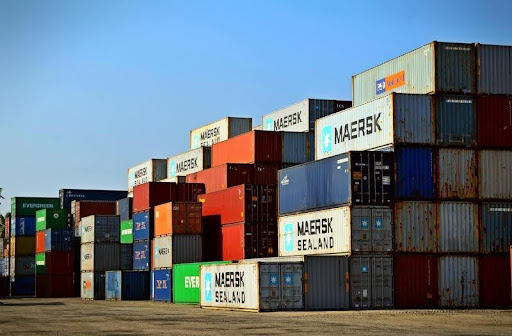
A cargo container stands ready for its next destination.
Yes, and it’s not just hype. AI is already helping companies across the States do smarter routing, demand forecasting, and warehouse work. One recent industry estimate shows that logistics tech investments that include AI grew by nearly 15% in 2024 alone. That kind of growth says these tools aren’t just future stuff, they’re here, and they’re working.
Let’s walk through how this all fits together without sounding like a tech textbook, cool?
What Exactly Is AI in Logistics?
Here’s the simple version: AI in logistics means intelligent systems that crunch tons of operational data, think inventory levels, delivery times, traffic flow, and then help us make better, faster decisions. It’s stuff like machine learning, predictive analytics, computer vision, and sometimes even natural-language processing. The goal? Speed things up, cut mistakes, and know more before stuff moves.
How Is AI Helping with Routes and Deliveries?
AI tools can suggest the most efficient path for trucks or vans. They look at traffic trends, delivery windows, fuel costs, everything, and figure out smarter ways to get things where they need to go. So, what’s the bottom line? Faster delivery, less idling, and lower fuel bills.
What’s the Deal with Warehouse Management?
Here’s something interesting: AI can guide warehouse robots or pick-and-place systems to the right spots. It can track stock and predict when items will run low. That keeps warehouses organized and reduces wasted hours searching for something lost in the stacks. Plus, it helps keep shelves stocked at the right time.
Why Is AI Demand Forecasting a Game-Changer?
Ever wonder how big retailers know to stock pumpkin spice candles before September? AI demand forecasting analyzes past patterns, seasonality, consumer behavior, and even weather trends. Then it predicts demand more accurately. The result: fewer sold-out nightmares, less excess inventory, and smarter ordering.
How Can We Track Goods in Real Time?
GPS, sensors, and AI dashboards do the trick. Need to know exactly where a shipment is and whether it’s on schedule? Just check your screen, it updates in real time. It’s peace of mind, right there on your device.
Why Should U.S. Supply Chain Folks Care?
Because efficiency matters. When the West Coast ports get clogged or a hurricane hits the Gulf, AI helps logistics operators pivot fast. Flexible routes, dynamic inventory policies, quick decisions.
That flexibility keeps goods flowing and customers happy, even when chaos hits
What Are the Biggest Benefits of AI in Logistics?
Here’s a quick list:
- Better efficiency: AI slashes wasted time and energy.
- Lower costs: Fuel, labor, and storage all take a hit.
- Faster, more reliable deliveries: Customers expect speed, AI delivers.
- Smarter responses to change: AI helps adapt during disruptions.
What’s Holding Back AI Adoption?
Real talk: it’s not all sunshine. A few bumps remain:
- High upfront costs: Setting things up, training, integrating, and running take cash.
- Data headaches: Systems need clean, standardized data. Messy or outdated info trips things up.
- Talent gap: Not every company has AI-savvy staff on hand.
- Balancing tech and people: Smart tech is awesome, but it works best with human brains still in the loop.
What’s Next? A Peek Into the Future
Looking ahead, the next wave of AI in logistics could include systems that adjust routes instantly if traffic snarls, fully adaptive supply chains that self-correct when suppliers delay, and deep integrations among transport, warehousing, and ordering systems. Think of a logistics network that thinks for itself. That’s the vision.
Wrapping It Up
AI is no longer sci-fi in U.S. logistics; it’s boosting routing, warehouses, forecasting, and tracking today. Yes, challenges exist, but the payoff is clear: smarter operations, lower costs, and more dependable deliveries. What do you think? Ready to explore how AI can help your operations, or curious about how to get started? Drop a comment or send a message, and let’s chat.
FAQ (for Schema Markup)
Q: What is AI in logistics? A: AI in logistics refers to technologies like machine learning, predictive analytics, and computer vision used to optimize supply-chain tasks such as routing, warehouse operations, demand forecasting, and shipment tracking.
Q: How does AI improve route optimization? A: AI considers traffic, delivery windows, fuel use, and other data to suggest faster, more efficient routes, saving time and money.
Q: What obstacles do businesses encounter when implementing AI? A: High implementation costs, disorganized data, a lack of qualified personnel, and striking the correct balance between automation and human oversight are typical obstacles.
Q: What role will AI play in supply chains in the future? A: Future trends include deeper integrations between shipping, warehousing, and inventory systems; autonomous decision-making across logistics networks; and systems that can instantly adjust to disruptions.
About the Author