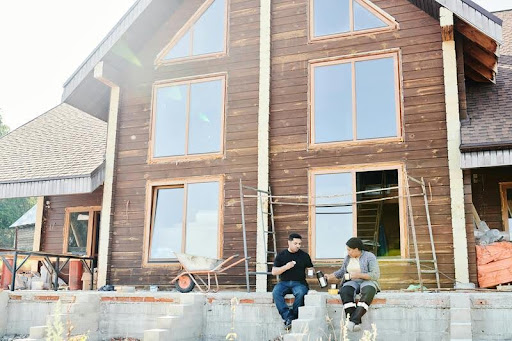
Transformation in progress — where smart renovations turn potential into lasting value and modern elegance.
If you’ve ever fallen down the rabbit hole of home makeover shows or “before-and-after” reels on social media, you’re not alone. There’s something magnetic about seeing a once-tired house come alive again, especially when the transformation doesn’t just look amazing but seriously boosts market value.
Let’s be real: most homeowners dream of improving their space while also building equity. The good news? You don’t need to be a millionaire to pull off a value-boosting renovation. You just need to know which changes actually matter to today’s buyers, and which ones are better left untouched.
So, what kinds of transformations can turn an average property into a high-demand listing? Let’s walk through the full picture, from the “before” problems that drag prices down to the “after” glow-ups that can double your home’s worth.
What Really Drives Home Value in Today’s Market?
Home value isn’t just about square footage or zip codes anymore. It’s about how a home makes people feel. Buyers today look for properties that are stylish, functional, and ready to move into, not fixer-uppers that demand months of work.
That’s why smart renovations strike a balance between design and practicality. A fresh, modern kitchen or energy-efficient upgrade might grab attention, but behind every high sale price is a simple truth: the home fits how people actually live today.
According to Zillow’s 2024 Consumer Housing Trends Report, nearly 65% of buyers said energy efficiency and updated design features were top priorities when making offers. Translation? The more your home checks those boxes, the faster (and higher) it’ll sell.
What’s Holding Your Home Back? Common “Before” Issues That Kill Value
Before a home can shine, it often needs to shed some old habits. Think of these as the “before” problems that quietly eat away at your home’s potential.
Outdated Interiors
Old wallpaper, worn carpets, and heavy wood cabinets can instantly age a home. Buyers today want clean lines, bright spaces, and a sense of openness. When a home feels dark or cramped, it’s tough for anyone to imagine living there, let alone paying top dollar for it.
Poor Layouts
Open-concept living isn’t just a buzzword; it’s what many U.S. buyers expect. A choppy floor plan can make a home feel smaller than it is. Removing unnecessary walls or reconfiguring the flow between the kitchen and living area can make a huge difference.
Deferred Maintenance
Issues like a leaking roof, outdated wiring, or an aging HVAC system can deter buyers more quickly than an unattractive paint job. These “hidden” issues often hold greater significance than visual shortcomings, as they indicate potential larger financial troubles in the future.
Lack of Curb Appeal
First impressions are vital; in fact, curb appeal can influence up to 7% of a property’s sale price, according to research from the Journal of Real Estate Finance and Economics. Faded paint, lifeless landscaping, or old-fashioned doors can dissuade potential buyers before they even enter the house.
What Do Stunning “After” Transformations Have in Common?
Entering a beautifully renovated home immediately evokes a noticeable difference. The environment feels lighter. The rooms appear more spacious. The layout finally functions effectively.
Here’s what successful transformations typically have in common:
Light and Space
Natural light is invaluable in real estate. Simply removing walls, expanding windows, or incorporating brighter finishes can rejuvenate a space.
Modern but Timeless Design
Homebuyers appreciate contemporary trends, but not when they are overly bold or transitory. Clean lines, neutral colors, and warm materials achieve the ideal balance between current design and lasting appeal.
Functionality
Effective storage solutions, seamless flow, and practicality are crucial. A kitchen island that also serves as a workspace? A mudroom equipped with hidden storage? Those features add significant value.
Energy Efficiency
Improvements such as enhanced insulation and smart thermostats can reduce utility costs, appealing to environmentally conscious buyers. It’s beneficial for everyone involved.
Which Renovations Give the Biggest ROI?
Not every renovation guarantees a high return. Certain updates can significantly increase value more than others. Here are the top transformations that genuinely enhance returns.
1. Kitchen Upgrades That Pay Off
It’s well known that the kitchen is the central hub of the home. According to Remodeling Magazine’s 2024 Cost vs. Value Report, a midrange kitchen renovation typically recoups about 85% of its investment.
Improvements such as contemporary cabinets, quartz countertops, energy-efficient appliances, and adequate lighting can rejuvenate an outdated kitchen. However, be cautious about overspending; highly customized designs may not necessarily result in increased offers.
2. Bathroom Updates That Dazzle
An outdated bathroom can be an immediate deterrent. Refreshing it with a walk-in shower, double sinks, and modern tiles can enhance both comfort and perceived luxury.
Incorporating efficient fixtures or additional storage is beneficial as well. Everyone desires a space that feels serene and functional.
3. Enhancements to Curb Appeal
Consider new paint, landscaping, updated hardware, and a sturdy front door. These affordable improvements can create that initial “wow” factor for arriving buyers. Properties with appealing exteriors can fetch up to 10% more, according to Realtor.com.
4. Revamped Living Areas
Revitalizing an underutilized basement or attic can add valuable living space, one of the most straightforward ways to elevate property value. Whether transforming it into a home office, guest suite, or play area, the essential element is usability.
5. Smart and Eco-Friendly Improvements
Smart thermostats, solar energy systems, and high-efficiency windows aren’t just environmentally friendly; they also attract contemporary buyers who appreciate sustainability and reduced utility costs.
The National Association of Realtors states that 63% of homebuyers view energy efficiency as a crucial factor in their purchasing decisions.
Why Are “Before and After” Transformations So Impactful?
There’s a reason transformation photos resonate with people. Beyond visual appeal, they narrate a story of potential.
When prospective buyers encounter a clean, bright, and modernized home, they subconsciously perceive less effort, reduced risk, and increased comfort. It’s all about emotions, and emotions drive home sales.
A disorganized, old-fashioned space communicates “project.” In contrast, a fresh, welcoming environment conveys “move-in ready.” This psychological transition often results in higher offers and quicker sales.
How Can You Optimize ROI Without Breaking the Bank?
Smart renovations hinge on strategy rather than extravagance. Here are ways to make upgrades both affordable and significant.
Begin with a Genuine Assessment
Tour your home from a buyer’s perspective. What captures attention, positively or negatively? Seeking feedback from an inspector or appraiser can help identify critical issues.
Establish Clear Priorities
You don’t need to tackle everything at once. Concentrate on renovations that yield the greatest returns; kitchens, bathrooms, curb appeal, and energy efficiency are top priorities.
Consider the Neighborhood Context
Upgrading beyond the standard in your locale may not always be beneficial.
If most homes on your block have laminate countertops, marble might not yield double the value; it might just raise eyebrows.
DIY Where You Can, Hire Where You Should
Painting walls, updating fixtures, or retiling a backsplash can be DIY-friendly. But for major systems, electrical, plumbing, and structural, hire licensed professionals.
Don’t Forget the Small Stuff
Sometimes, small upgrades make the biggest visual impact:
- Swap out dated light fixtures.
- Add mirrors to make rooms feel bigger.
- Refresh trim and baseboards.
- Use consistent finishes (brushed nickel, matte black, etc.) throughout the house.
These details add polish that buyers notice, even if they can’t quite explain why.
How Do You Plan a Home Transformation Strategically?
Planning is the difference between a smooth upgrade and a stress-fueled money pit.
- Research Local Trends: Check what sells quickly in your area. Online real estate listings are a goldmine for spotting design and feature trends.
- Create a Realistic Budget: Include not just materials and labor, but also unexpected costs (because there will be some).
- Prioritize ROI: Focus first on updates that directly increase perceived and actual value.
- Consult Experts: A short chat with a real estate agent or contractor can save you from costly design missteps.
- Plan for Resale Early: Even if you’re not selling soon, thinking long-term keeps you from over-personalizing.
Final Thoughts: Every “Before” Has an “After” Waiting
Transforming a home isn’t just about making it prettier; it’s about making it more livable, desirable, and valuable. Whether you’re preparing to sell or simply want to love your home more, the right renovations can completely change your financial outlook.
And remember: not every project has to be massive. Sometimes, a coat of paint, a light fixture swap, or a decluttering weekend can spark a transformation that changes how your home feels, and what it’s worth.
So maybe the question isn’t “Can I really double my home’s value?” but rather “What’s the smartest first step to start the transformation?”
The answer might be closer, and simpler, than you think.
FAQs About Home Transformations and Value
Q1: What renovations add the most value to a home in 2025? Kitchen remodels, bathroom upgrades, energy-efficient systems, and curb appeal improvements are leading ROI boosters this year.
Q2: How much should I spend on renovations before selling? Experts recommend spending no more than 10–15% of your home’s current value on total improvements, focusing on high-impact areas.
Q3: Do energy-efficient upgrades really increase home value? Yes. Homes with solar panels or smart energy systems can sell for 3–5% more on average, according to the National Association of Realtors.
Q4: How do I know which renovations fit my neighborhood’s market? Research recent home sales in your area. Aim to match (not exceed) the quality and style of those homes to avoid over-improving.
Q5: What’s the easiest way to boost curb appeal fast? Paint your front door, replace outdated lighting, add fresh plants, and pressure-wash the driveway. These small touches make a huge visual difference.
About the Author




