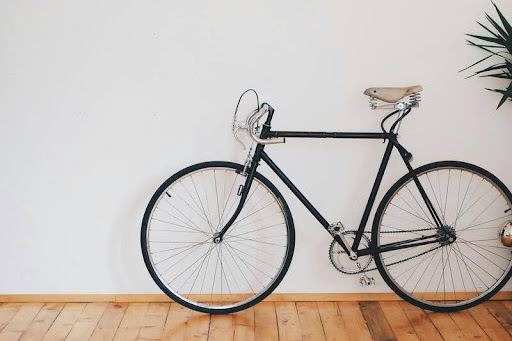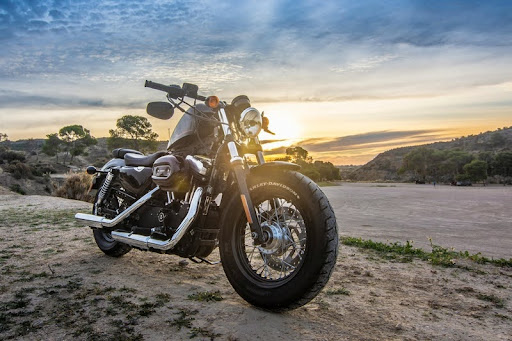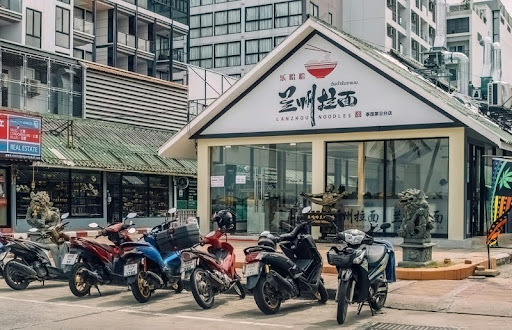
Beginner motorcycles lined up and ready to hit the road—perfect choices for new riders starting their journey.
Getting started on a motorcycle is exciting, but also a little nerve-wracking, right? If you’re new to riding, picking the right bike can make all the difference. The best beginner motorcycles aren’t just about cool looks, they’re about safety, comfort, and confidence on the road. So, how do you find a bike that fits you like a glove, handles smoothly, and won’t overwhelm you?
Let’s break it down together. Here’s what every new rider in the U.S. should know when hunting for that perfect first motorcycle.
What Makes a Motorcycle Good for Beginners?
First off, what exactly should you look for in a beginner motorcycle? The short answer: a bike that’s easy to handle, comfortable, and forgiving.
Beginner motorcycles usually have lightweight frames and a low seat height so you can plant your feet firmly on the ground. This helps you feel stable when you stop and gives you more control.
Power matters too. You want a bike with a manageable engine size, nothing too wild. That means typically something under 500cc to keep the throttle smooth and the ride predictable. Too much power too soon can be scary or even dangerous.
Also, look for balanced handling and responsive brakes. The last thing a new rider wants is a bike that feels twitchy or has brakes that grab too hard, or worse, don’t grab enough.
And of course, beginner bikes are often more affordable and easier to maintain, which helps when you’re just starting out.
How Do I Know What Features to Look for in a Beginner Bike?
Good question. New riders often ask, “What should I prioritize when shopping for my first motorcycle?”
Here are some key features to keep in mind:
- Engine Size: Most new riders do well with engines between 250cc and 500cc. This range offers enough power to merge onto highways but isn’t so much that it’s overwhelming.
- Transmission Type: Most motorcycles have manual transmissions. It’s part of the fun, but can be tricky at first. Some newer beginner bikes offer automatic or semi-automatic options that simplify things.
- Fuel Efficiency: Smaller engines typically mean better gas mileage, which is great if you’re commuting or cruising around town.
- Safety Features: ABS (Anti-lock Braking System) is a fantastic feature for new riders. It prevents wheel lockup during hard braking and helps avoid accidents.
- Display & Controls: Simple, clear digital or analog displays help you stay focused. Avoid bikes with complicated gauges and controls until you’re comfortable.
What Types of Motorcycles Are Best for New Riders?
Not all motorcycles are created equal, especially when it comes to beginners. Here’s a quick rundown of the most beginner-friendly types:
- Standard Bikes: These are your all-rounders. Upright seating, simple controls, and balanced handling make them ideal for learning the ropes.
- Cruiser Bikes: Known for low seat heights and laid-back riding positions, cruisers are great if you want comfort and stability.
- Sport-Style Beginner Bikes: Light and agile, these bikes feel zippy without packing too much punch. Great for riders who want a little thrill with their first bike.
- Dual-Sport or Adventure Bikes: If you think you might explore some dirt trails or mixed terrain, these versatile bikes can be a solid choice. They’re light enough for easy handling and built for a variety of conditions.
- Scooters and Small-Displacement Bikes: Perfect for city dwellers or those wanting simple, easy rides. Plus, they usually come with automatic transmissions, which can ease the learning curve.
Why Is Motorcycle Fit So Important?
You wouldn’t buy a pair of shoes without trying them on first, right? The same goes for motorcycles. Fit isn’t just about comfort, it’s about control and safety.
Sit on the bike and see if you can reach the ground comfortably with your feet. Your knees shouldn’t feel cramped, and you should be able to reach the handlebars without stretching or hunching.
Remember, you’ll be spending a lot of time in that riding position, so good ergonomics can prevent fatigue and make riding more enjoyable.
If the bike feels too big or small, you might struggle to control it, especially in tricky situations like tight turns or stops.
How Can I Stay Safe While Learning to Ride?
Riding a motorcycle comes with risks, but a lot of them can be managed with the right approach. Here’s how you can stay safe as a beginner:
- Take a Motorcycle Safety Course: The Motorcycle Safety Foundation (MSF) offers beginner courses across the U.S. These courses teach you everything from basic controls to emergency maneuvers, and many states offer licensing benefits or insurance discounts after completion.
- Wear Protective Gear: Helmet, gloves, jacket, boots, the right gear can protect you from injuries and the elements. It’s not just about looking cool; it’s about staying safe.
- Start Small: Begin riding in low-traffic areas or parking lots before hitting busy streets. Gradually build your skills and confidence.
- Avoid Risky Situations: Don’t try to keep up with experienced riders or speed.
Your goal is to learn smooth, controlled riding.
What Should I Budget for When Buying My First Motorcycle?
Buying your first motorcycle is just the start. Here’s a quick rundown of costs to expect:
- Bike Price: New beginner bikes usually range between $3,000 and $7,000. Used bikes can be cheaper but might need more maintenance.
- Insurance: Insurance premiums vary, but expect to pay more as a new rider. Factors like age, location, and bike type affect cost.
- Gear and Accessories: Quality helmets, jackets, gloves, and boots can add up. Don’t skimp here; safety first.
- Maintenance: Oil changes, tire replacements, and tune-ups are ongoing costs. Keeping your bike in good shape helps avoid costly repairs.
- Training: Safety courses sometimes come with a fee, but they’re an investment in your riding future.
What Are Common Beginner Mistakes to Avoid?
Even the best riders started somewhere, and mistakes are part of learning. But knowing what to watch out for can save you headaches:
- Choosing a Bike That’s Too Powerful: It’s tempting to pick a flashy bike, but too much power can overwhelm new riders.
- Ignoring Comfort: A bike that doesn’t fit well can cause discomfort and make you less confident on the road.
- Skipping Safety Gear or Training: Some riders think they can “wing it.” Don’t be that person. Proper gear and training save lives.
- Overestimating Your Skill: Ride within your limits and take time to build experience gradually.
Ready to Find Your First Bike?
Finding the right beginner motorcycle takes some thought, but it’s worth the effort. Your first bike should feel like a natural extension of you, easy to control, comfortable, and safe.
Before you buy, visit local dealerships, sit on a few models, and maybe even rent if possible. Take a safety course, gear up, and give yourself plenty of time to get comfortable.
Riding is a fantastic way to explore and enjoy the open road. The right beginner motorcycle sets you up for a lifetime of fun and freedom.
FAQ: Beginner Motorcycles for New Riders
Q: What engine size is best for beginner motorcycles? A: Typically, 250cc to 500cc engines are ideal. They offer enough power for city and highway riding without being overwhelming.
Q: Should beginners choose a manual or automatic transmission? A: A manual is standard and great for learning, but some beginner bikes offer automatic or semi-automatic options that can simplify the learning process.
Q: How important is seat height for new riders? A: Very important. A lower seat height lets you place your feet flat on the ground, which improves balance and confidence.
Q: What safety gear should every beginner rider have? A: At minimum: a DOT-approved helmet, gloves, riding jacket, pants, and sturdy boots.
Q: Do beginner riders need a motorcycle safety course? A: Yes, it’s highly recommended. The MSF courses teach essential skills and can sometimes reduce insurance costs.
About the Author