City commute on two wheels—navigating traffic the fast and free way.
If you’ve ever sat in bumper-to-bumper traffic, staring at the clock while your coffee gets cold, you might have thought: Is there a better way to get around? The answer, for a lot of folks in cities across the U.S., is yes, and it’s on two wheels.
Biking to work (or anywhere) isn’t just for hardcore cyclists or weekend riders. More and more people are switching to bikes for their daily commute. It’s cheaper, healthier, and honestly, kind of freeing. But the real question is: what kind of bike is best for city commuting?
Let’s break it down.
What makes a good city commuter bike?
A good city bike should be reliable, comfortable, and easy to maneuver in urban settings. Think of it as your daily companion, it should work with you, not against you.
Here’s what to look for:
- Lightweight frame: Navigating city traffic and carrying the bike upstairs is way easier if it doesn’t weigh a ton.
- Durable tires: City streets can be rough. Potholes, curbs, and debris happen.
- Upright riding position: Keeps your back happy and gives you better visibility.
- Simple gearing: You don’t need a mountain of gears to get across town.
- Built-in mounts: Handy for racks, baskets, and fenders.
Bottom line? Your city bike should feel like an extension of you, quick, responsive, and ready to roll.
What type of bike is best for commuting in the city?
It depends on your commute, lifestyle, and how much storage space you have. Here are the most common options that work well in U.S. cities:
Hybrid Bikes: The all-around option
Hybrids are super popular for a reason. They blend the speed of a road bike with the comfort of a cruiser. If you’re looking for something versatile that can handle everything from bike lanes to park paths, a hybrid might be your best bet.
Single-Speed and Fixies: Low maintenance, high vibe
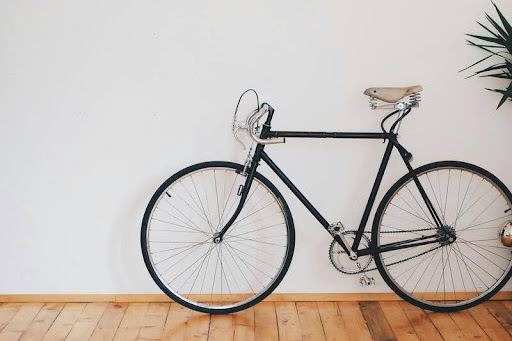
Live in a flat city? A single-speed bike (or a fixie) can be your go-to. They’re lightweight, simple to maintain, and great for weaving through traffic. Just don’t expect help on hills.
Folding Bikes: Space-saving champs
If your commute includes a train or bus, or if you live in a tiny apartment, folding bikes are a game-changer. They collapse in seconds and can fit under your desk or in a closet.
Electric Commuter Bikes (E-bikes): Power for the people
Want to ride without breaking a sweat? E-bikes are becoming a common sight in cities like New York, L.A., and Chicago. They offer pedal assistance, which means you can go farther and tackle hills without getting drenched in sweat.
Cruiser Bikes: Comfy and cool
For short, easy rides, cruisers are hard to beat. They’ve got wide seats, relaxed handlebars, and a super chill vibe. Perfect if you’re not in a rush.
How do I choose the right bike for my commute?
Great question. It helps to ask yourself a few quick ones first:
- How far do I need to ride?
- Is the route hilly or mostly flat?
- Will I need to carry it inside or upstairs?
- What’s my budget?
- Do I want something low-maintenance?
If your commute is under 5 miles on flat streets, a single-speed or cruiser could work. If it’s longer or hillier, consider a hybrid or e-bike. And if storage is tight, folding bikes win every time.
What should I consider before buying a commuter bike?
There’s more to picking a commuter bike than just hopping on the first one you see. Here are some real-life things to think about:
Distance & terrain
Shorter commutes on flat roads open up more options. But if you’re dealing with inclines or need to go 10+ miles each way, prioritize comfort, gears, and even motor assistance.
Storage & theft protection
Live in an apartment? Make sure your bike is light enough to carry up stairs. Also, plan to invest in a solid lock. Bike theft is no joke, especially in dense cities.
Weather preparedness
If you plan to ride year-round, look for bikes with fenders and room for wider tires that grip better in wet conditions. You might also want integrated lights.
Maintenance needs
Some bikes require more tinkering than others. If you want something low-key, go for single-speed or belt-drive systems.
Budget
Price matters, but so does value. Cheap bikes often break down faster. Think of your bike as a long-term investment in your daily life.
What are the must-have commuter bike accessories?
Even the best commuter bike needs a few extras to make your ride smooth, safe, and efficient. Here’s what you shouldn’t skip:
- Helmet: Safety first. Always.
- Bike lock: Get a strong one. U-locks or folding locks are the standard.
- Lights: Front and rear lights are essential, especially in winter or early mornings.
- Bell or horn: For alerting pedestrians and other cyclists.
- Rack or panniers: Skip the backpack. Carry your stuff on the bike.
- Fenders: Keep mud and water off your clothes.
- Phone mount: Handy for navigation.
What are the best tips for biking safely in the city?
Commuting by bike is awesome, but urban streets can be unpredictable. Stay smart with these tips:
- Follow traffic laws: Stop at red lights. Yield to pedestrians.
Ride with traffic.
- Stay visible: Use lights, wear bright gear, and make eye contact with drivers.
- Use bike lanes: If your city has them, use them. But stay alert, they’re not always respected.
- Be predictable: Signal your turns and avoid weaving in and out.
- Plan your route: Apps like Google Maps or dedicated bike apps can help you find low-traffic, bike-friendly streets.
So, what’s the best way to commute by bike in a U.S. city?
Keep it simple: match the bike to your commute, gear up smart, and ride confidently. Cities are becoming more bike-friendly, and you don’t need fancy gear or cycling know-how to start.
Whether you’re cruising a couple of miles to work or dodging traffic for a longer ride, the right bike can totally change your daily routine.
FAQs: Best Bikes for City Commuting
What is the best type of bike for city riding? Hybrid bikes are great for most commutes, but single-speed, folding, and electric bikes are solid options depending on your needs.
How much should I spend on a commuter bike? A quality commuter bike usually starts around 0–500 and can go much higher depending on features.
Can I use a mountain bike for city commuting? Yes, but it might be heavier and slower on pavement. Swapping to road tires can help.
Do I need special clothing to commute by bike? Not really. Just dress for the weather and make sure your pants won’t get caught in the chain (hint: use a strap or tuck them in).
Is biking to work really practical in big cities? Absolutely. Many U.S. cities are adding bike lanes, and with the right setup, biking can be faster than driving or taking transit.
About the Author