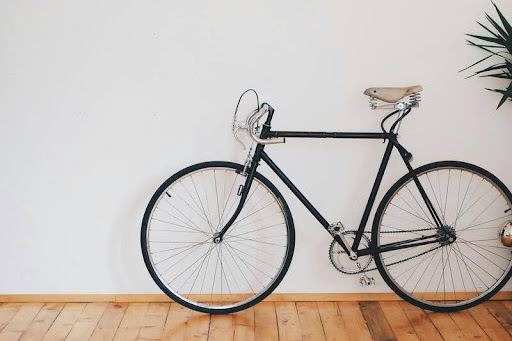
Cruising through campus life—biking makes getting around college easy and fun.
If you’re a college student in the U.S., chances are you’re always looking for smart ways to save money while still getting around easily. So, why not consider a budget bike? Bikes are a practical, eco-friendly way to navigate campus and nearby spots without shelling out for gas, parking, or rideshares. But with so many options out there, how do you find a budget bike that really fits your needs?
Don’t worry. This guide breaks down everything you need to know, what to look for, which types work best, and how to make your bike last through those busy school years. Ready to roll? Let’s dive in.
Why Should College Students Choose a Budget Bike?
Choosing a budget bike for college isn’t just about saving cash upfront, though that’s a big part of it. A budget bike means you get reliable transportation without the extra bells and whistles that might not matter when you’re hustling between classes.
Think about it: Are you really going to need a high-end mountain bike if your main routes are paved sidewalks and bike paths? Probably not. Plus, budget bikes tend to be easier to maintain. When you’re juggling homework, part-time jobs, and social life, the last thing you want is a complicated bike repair.
And here’s a fun fact: Around 15% of U.S. college students bike regularly, showing just how popular and practical biking is on campuses nationwide. Saving money, getting exercise, and helping the environment? That’s a win-win-win.
What Should You Look for When Buying a Budget Bike for College?
So, you’ve decided a budget bike is the way to go. Great! But what exactly should you check before buying? Here’s a quick checklist of the key features:
- Frame Material: Steel frames are super durable but heavier, while aluminum frames are lighter and rust-resistant. For most college students, aluminum strikes a good balance between weight and durability.
- Gears: Do you need a bunch of gears? If your campus is mostly flat, a single-speed or 3-gear bike might be enough. But if you’re in a hilly area, having more gears (7-21) helps tackle inclines without breaking a sweat.
- Brakes: V-brakes are common and affordable, but disc brakes offer better stopping power, especially in rainy weather. If your budget allows, consider disc brakes for extra safety.
- Tires: Wider tires offer more comfort on bumpy roads, while narrower tires are faster on smooth pavement.
Hybrid tires are a versatile choice for mixed terrains.
- Weight: You might need to carry your bike upstairs or load it onto a bus. A lighter bike is easier to handle daily.
- Comfort: Look for a comfortable saddle and adjustable handlebars. After all, you’ll spend a lot of time on it.
Keep these in mind, and you’ll avoid getting stuck with a bike that feels more like a hassle than a help.
What Types of Bikes Work Best for College Students on a Budget?
Not all bikes are created equal. Which type suits your lifestyle and campus environment? Here’s a breakdown:
- Hybrid Bikes: The crowd favorite. They mix road bike speed with mountain bike durability. Perfect if your campus has a mix of pavement and rough paths.
- Road Bikes: Lightweight and fast, great for longer commutes but less comfy on rough terrain. Best if you’re zipping mainly on smooth roads.
- Cruiser Bikes: Think classic, comfortable, and casual rides. These are easy to hop on and off, great for flat campuses or quick errands.
- Mountain Bikes: Built tough for trails and hills. If your campus is surrounded by off-road paths or you like weekend adventures, these could be worth considering.
- Folding Bikes: Space-saving champs. If your dorm has limited storage or you rely on public transit sometimes, folding bikes fold up small for easy carrying.
Got a favorite? Choosing the right type depends on your daily routine, terrain, and storage options.
How Can You Get the Best Deal When Buying a Budget Bike?
Finding a good budget bike doesn’t mean you have to settle for the first thing you see. Here are some smart ways to shop:
- Set Your Budget: Most budget bikes fall between $200 and $500. Knowing your price range upfront narrows down your choices.
- New vs. Used: New bikes come with warranties and the latest features, but cost more. Used bikes can offer big savings, but inspect them carefully for wear and tear. Campus bike sales and local classifieds often have solid deals.
- Where to Buy: Local bike shops give you hands-on help and tune-ups, while online stores offer more variety. Campus forums and student groups sometimes host bike exchanges, too.
- Check for Warranty & Return Policies: These can save you headaches if something goes wrong after purchase.
- Don’t Forget Accessories: A good helmet, a sturdy lock, and bike lights are must-haves for safety and security.
Remember, the best budget bike is the one that fits your needs and won’t leave you stranded with surprise costs.
What Are Easy Maintenance Tips to Keep Your Budget Bike Running Smoothly?
Once you’ve got your bike, keeping it in good shape is key. Luckily, basic maintenance is pretty straightforward:
- Keep it Clean: Wipe down your bike regularly to avoid dirt buildup, which can wear down parts.
- Check Tire Pressure: Properly inflated tires improve efficiency and prevent flats. A quick pump every week can make a big difference.
- Lubricate the Chain: A little bike-specific lubricant keeps the chain smooth and quiet.
- Inspect Brakes and Gears: Make sure brakes respond well and gears shift cleanly.
- Store it Properly: Use a bike rack or keep it indoors if possible. Avoid leaving it out in the rain or snow for long stretches.
With just a little effort, your bike can stay reliable for all four years of college and beyond.
How Do You Stay Safe While Biking Around Campus?
Safety is huge. With so many pedestrians, cars, and other cyclists, staying visible and alert is a must.
- Wear a Helmet: It’s simple, and it could save your life. Many campuses require helmets by policy.
- Use Lights and Reflectors, Especially if you ride early in the morning or at night.
- Follow Traffic Rules: Obey signals, use bike lanes, and always signal turns.
- Be Aware of Your Surroundings: Avoid headphones so you can hear cars and people.
- Lock Your Bike: Campus bike theft is real. Invest in a solid lock and use it every time.
Staying safe means you get to enjoy the freedom biking brings without the stress.
Wrapping It Up: What’s the Best Budget Bike for Your College Life?
So, what’s the bottom line? The best budget bike for college students in the U.S. is one that fits your campus terrain, daily needs, and budget. Whether that’s a lightweight hybrid, a comfy cruiser, or a compact folding bike, the right ride can make your college years easier, healthier, and even a bit more fun.
Don’t rush it. Take time to check features, try out different styles, and shop smart. And remember, regular maintenance and safety gear keep you rolling smoothly.
Thinking about getting a bike for campus? What’s the one feature you can’t live without? Drop your thoughts or questions below!
FAQ: Budget Bikes for College Students
Q: What’s the best price range for a budget college bike? A: Most budget bikes suitable for college fall between 0 and 0, balancing affordability with quality.
Q: Should I buy a new or used bike for college? A: Both have pros. New bikes come with warranties and are less likely to have hidden issues, but used bikes can save money if inspected carefully.
Q: How often should I maintain my bike?A: Basic maintenance like cleaning, tire pressure checks, and chain lubrication should be done weekly or biweekly, depending on use.
Q: Are bike helmets required on college campuses? A: Requirements vary by school, but wearing a helmet is highly recommended for safety.
Q: What accessories are essential for college biking? A: Helmet, bike lock, front and rear lights, and a bell or horn are the basics to keep you safe and secure.
About the Author