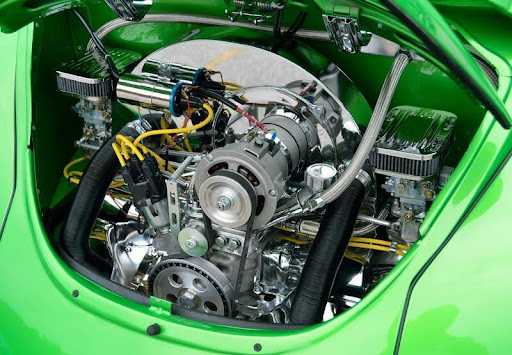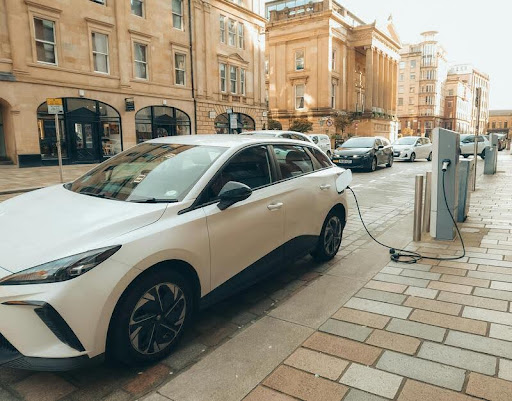
Charging up for the road ahead—EVs are becoming a smart pick for first-time car buyers in 2025.
Buying your first car? That’s a huge step. It’s exciting, a little nerve-wracking, and, let’s be honest, kind of overwhelming. With so many choices out there, it’s easy to get stuck asking, “What’s actually the best car for a first-time buyer?”
That’s exactly what this guide is here for. We’ll walk you through what matters most when shopping for your first ride in 2025, break down the types of cars that make the most sense, and help you avoid common rookie mistakes. No fluff, just the stuff you need to know.
What Should First-Time Car Buyers Look for in 2025?
When you’re new to car buying, it’s tempting to focus on looks or brand names. But here’s what actually matters:
- Affordable Pricing: Stick with cars that won’t blow your budget. That means looking beyond just the sticker price, factor in taxes, registration, insurance, and monthly payments.
- Low Cost of Ownership: Choose a car that won’t nickel and dime you on repairs or guzzle gas. Reliability is key.
- Safety Features: Look for vehicles with strong crash-test ratings and modern safety tech like lane-keeping assist, blind-spot monitoring, and automatic emergency braking.
- Fuel Efficiency: With gas prices staying unpredictable, better MPG equals money saved long-term.
- Easy to Drive: If you’re new behind the wheel, you want something with good visibility, smooth handling, and tech that makes driving easier, not more complicated.
The bottom line? You want a car that’s budget-friendly, dependable, and easy to live with.
What Are the Best Types of Cars for First-Time Buyers?
Here’s a quick breakdown of car types that tend to be a good fit for new drivers:
Compact Sedans
They’re small enough to be easy to park, but still comfortable enough for everyday driving. Compact sedans usually get great fuel economy and are among the cheapest to insure.
Subcompact and Compact SUVs
If you want a bit more height and cargo space, a small SUV could be the way to go. These are becoming super popular with younger buyers and small families because they offer the best of both worlds: more space without the bulk.
Hybrids and EVs
Worried about gas prices or want something more eco-conscious? A hybrid or electric vehicle might appeal to you. Just keep in mind things like charging access and how much you drive daily.
Certified Pre-Owned Cars (CPO)
Want the reliability of a new car without the new-car price? Certified pre-owned vehicles are inspected, refurbished, and often come with warranties, making them a smart compromise for first-time buyers.
What Features Should First-Time Buyers Prioritize in 2025?
Technology changes fast, and cars are packed with it in 2025. But don’t get overwhelmed. These are the features that matter most:
- Advanced Safety Tech: Think automatic emergency braking, adaptive cruise control, and lane-keeping assist.
- Infotainment Compatibility: Make sure the car supports Android Auto or Apple CarPlay so you can safely use your phone’s GPS or music apps.
- Comfort and Visibility: A car should feel good to sit in and be easy to see out of. Adjustable seats, big windows, and simple controls go a long way.
- Warranty Coverage: Look for cars with solid warranties that cover at least three years or 36,000 miles. It’s peace of mind in case something goes wrong.
Remember—cool gadgets are fun, but basic safety and comfort always come first.
What Mistakes Do First-Time Buyers Need to Avoid?
There’s a lot to learn your first time out. Here’s what you don’t want to do:
- Overspending: Don’t get caught up trying to keep up with friends or trends. Buy what fits your lifestyle and your wallet.
- Skipping the Research: Don’t just go for the first car you test drive. Compare your options, read reviews, and check for recalls.
- Ignoring Insurance Costs: That sporty coupe might be fun, but it could double your insurance bill. Always check rates before buying.
- Skipping a Test Drive: Even if you’re buying online or through a dealership you trust, get behind the wheel first. You need to know how it feels.
A little caution now can save you thousands down the road.
What’s the Best Way to Finance a First Car?
Unless you’re paying cash (nice!), you’ll probably need a car loan. Here’s how to handle it smartly:
- Set a Realistic Budget: Aim for a monthly payment that’s no more than 15% of your take-home pay.
- Check Your Credit Score: A better credit score = lower interest rates. Know where you stand before applying.
- Get Pre-Approved: This helps you shop with confidence and avoids surprises at the dealership.
- Understand Loan Terms: Don’t just focus on monthly payments, look at interest rates and total cost.
- Leasing vs. Buying: Leasing can mean lower monthly payments, but comes with mileage limits. Buying gives you full ownership and no restrictions.
Take your time. A little prep goes a long way in getting a fair deal.
So, How Do You Choose the Best First Car in 2025?
Start with your needs, not your wants. Think about where and how you’ll drive most. Is it city traffic, long commutes, or weekend road trips?
Then factor in your budget and focus on reliability and safety.
A good first car doesn’t need to be flashy, it needs to be practical. Something that gets you from A to B without draining your bank account.
And hey, your first car won’t be your last. Make it one that helps you build credit, learn the ropes, and gain the confidence to make even better choices down the road.
Frequently Asked Questions (FAQ)
What’s the best budget for a first car in 2025? Most first-time buyers should aim for ,000 or less, depending on whether they’re buying new or used.
Is leasing a good idea for first-time buyers? It can be, especially if you want a new car with lower monthly payments, but be careful of mileage limits and long-term costs.
Should I buy new or used for my first car? Used cars can save money upfront. New cars offer more reliability and warranty coverage. CPO vehicles offer a good middle ground.
How important is gas mileage for first-time buyers? Very important. Better fuel economy saves you money, especially if you drive a lot. Look for cars with at least 30 MPG combined.
Do first-time car buyers get special financing options? Some lenders and dealerships offer programs for new buyers, but you’ll still need decent credit or a co-signer.
About the Author