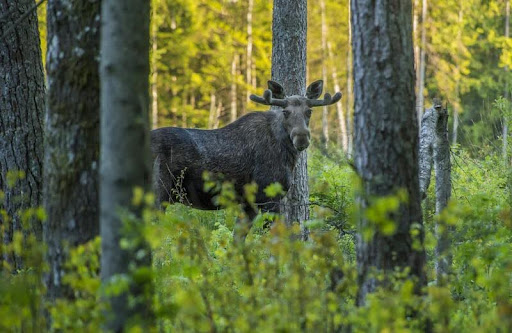
First-time park visitors might spot majestic wildlife like this moose while exploring beginner-friendly trails.
Thinking about dipping your toes into the world of national parks, but not sure where to start? You’re not alone. With over 400 national park units across the U.S., figuring out which ones are beginner-friendly can feel a little overwhelming. Good news: you don’t need to be a hardcore hiker or expert camper to enjoy the beauty and peace of a national park. This guide is all about helping you find the best national parks for first-time visitors, ones that are easy to get to, full of unforgettable views, and perfect for a relaxing (or mildly adventurous) escape.
What makes a national park good for beginners?
If you’re new to national parks, the best ones to start with are easy to navigate, have plenty of visitor resources, and offer a solid mix of sights and activities without requiring extreme physical effort. Here’s what to look for:
- Accessibility: Easy to reach by car or near an airport.
- Facilities: Visitor centers, restrooms, signage, and park rangers who can answer questions.
- Simple trails: Well-marked, short hikes that don’t need advanced gear or skills.
- Varied landscapes: Think mountains, forests, lakes, or deserts, something to keep things interesting.
- Wildlife viewing: A chance to see animals safely, from a distance.
- Beginner-friendly activities: Scenic drives, ranger talks, easy walking paths, and maybe a good picnic spot.
Parks that check these boxes tend to be more enjoyable and less intimidating for first-timers. Plus, you’re more likely to come back for more.
How do you choose the right park for your travel style?
Your ideal park might depend on what kind of trip you want. Want something peaceful and scenic? Or are you more about active days and cool nature experiences? Let’s break it down:
- Love driving and sightseeing? Go for parks with scenic loop roads and overlooks. No hiking boots required.
- Traveling with kids? Choose parks with short, stroller-friendly paths and educational exhibits.
- Looking for peace and quiet? Smaller, less crowded parks can offer a calming escape.
- Prefer a touch of adventure? Pick parks with short hikes that offer big payoffs, like waterfalls or panoramic views.
- Planning a day trip? Go to parks close to cities or major highways.
Knowing your vibe before picking a park can help set the tone for a more fun and relaxing first visit.
What should first-time visitors know before going?
Planning ahead is the best way to make your first park visit smooth and stress-free.
Here’s what you need to think about:
- Check the park’s website first: Hours, entrance fees, trail conditions, and alerts can change fast.
- Book early: Some parks require reservations, especially for parking or popular sites.
- Pack the basics: Water, snacks, sunscreen, a map (yes, a paper one), and layers. Cell service can be spotty.
- Respect the rules: Stay on marked paths, keep your distance from animals, and follow Leave No Trace principles.
- Know your limits: Start small, don’t let a too-long hike ruin your day.
Most first-time missteps can be avoided with just a little prep. Trust us, your future self will thank you.
When is the best time to visit a national park in the U.S.?
This depends on where you’re headed, but generally:
- Spring and fall are great across much of the country: mild temps, fewer crowds.
- Summer is peak season, especially at popular parks. Be ready for crowds and higher lodging costs.
- Winter can be magical (and uncrowded), but check for closures or weather issues.
Tip: Visit on a weekday and arrive early in the day to beat the rush. Bonus points for packing a breakfast and catching sunrise from a viewpoint.
What are some common mistakes first-time park visitors make?
Even with the best intentions, new visitors can run into a few snags. Here are a few things to avoid:
- Winging it: Don’t assume everything will be open or available. Always check ahead.
- Underestimating distances: Parks are big. Driving from one spot to another could take longer than you think.
- Skipping hydration: Even on a cool day, you need more water than you think.
- Wearing the wrong shoes: Leave the flip-flops at home. Even easy trails need a good grip.
- Forgetting sunscreen and bug spray: Nature’s great, but so are sunburns and mosquito bites, if you’re a bug.
A little preparation goes a long way in making your visit safe and enjoyable.
How can you make the most of your first national park visit?
Make it fun. Make it simple. Don’t try to do everything in one trip. Here are a few ideas to get more out of your visit:
- Join a ranger program: Many parks offer free talks or walks that help you learn more about what you’re seeing.
- Plan just 1–2 main activities: Leave time to wander and relax. Don’t overbook yourself.
- Pack a lunch and picnic: Dining with a view? Yes, please.
- Stop at the visitor center: It’s a great way to get tips from park rangers and pick up a trail map.
- Use the park app (if available): Some parks have free official apps with maps, audio tours, and more.
Most importantly? Slow down. Take it all in. There’s no need to rush through nature.
Ready to hit the trail? Final thoughts for first-time visitors
There’s a national park out there that’s perfect for your first adventure. Whether you’re looking for epic views, a gentle walk, or a peaceful place to unwind, the U.S. park system has something for everyone. You don’t need to be super outdoorsy or have all the gear, just a little curiosity and a willingness to explore.
Remember, this first visit is just the beginning. Chances are, once you get a taste of what these parks have to offer, you’ll be back for more.
FAQ: First-Time National Park Visitors
What’s the best national park for beginners? Parks that are easy to reach, have good visitor facilities, and offer short trails or scenic drives are great for beginners.
Do I need a reservation to visit a national park? Some parks require reservations, especially during peak seasons. Always check the park’s website before you go.
How much does it cost to get into a national park? Entrance fees vary by park. Most range from per vehicle. Consider getting an America the Beautiful pass if you plan to visit more than one park.
Can I visit a national park without hiking? Absolutely. Many parks have scenic drives, overlooks, visitor centers, and short walks that require no serious hiking.
What should I bring for a first visit? Water, snacks, sunscreen, layers, a map, and sturdy shoes. Don’t forget your camera and sense of wonder.
About the Author