Chasing horizons—touring bikes are built for the long road ahead.
Ready to hit the open road and ride coast to coast? There’s nothing quite like a cross-country motorcycle trip. The freedom, the scenery, the thrill of the unknown, it’s all part of the adventure. But before you pack your bags and fire up the engine, there’s one big question you need to answer: what’s the best touring motorcycle for the journey?
Let’s break it down in plain English, with all the practical info you need to choose the right ride. No fluff. No hard sell. Just straight-up advice to get you road-ready.
What makes a good motorcycle for long-distance travel?
A good touring bike is all about comfort, reliability, and capability. You need something that can handle hours on the highway without beating you up in the process. Think of it like picking a home away from home, one that rolls on two wheels.
Here are the key things to look for:
- Comfort and ergonomics: Long hours in the saddle require a seat that doesn’t make you regret your life choices. Look for adjustable handlebars, footpeg positions that match your posture, and a cushy seat.
- Fuel capacity: You don’t want to stop every 100 miles for gas. Bigger tanks (or more fuel-efficient engines) mean fewer fuel stops and more open-road cruising.
- Storage: You’ll need space for gear, snacks, tools, and maybe even a change of clothes. Hard saddlebags or integrated luggage systems are a must.
- Wind protection: A good windshield makes a world of difference. It cuts down wind fatigue, noise, and weather exposure.
- Smooth ride: Quality suspension absorbs the bumps, keeping both you and your passenger happy.
- Tech features: Cruise control, heated grips, GPS, and safety aids like ABS can make a big difference when you’re logging serious miles.
What types of motorcycles are best for cross-country trips?
There’s no one-size-fits-all bike for touring. It depends on your style, your needs, and your budget. Here are the main types to consider:
Full-Dress Tourers
These bikes are made for comfort over long distances. They’re big, heavy, and loaded with features. Think spacious seats, full fairings, big windshields, and lots of storage. If you want to glide down I-90 in total comfort, this is your category.
Adventure Tourers
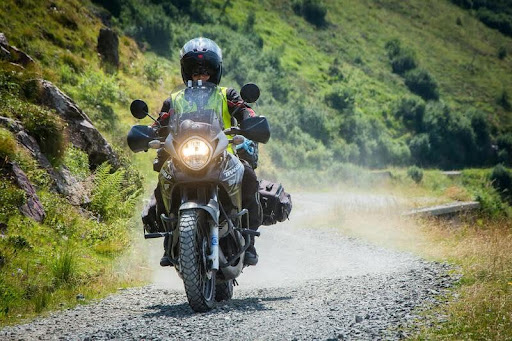
Adventure (ADV) bikes are designed to handle both pavement and dirt roads. They sit tall and offer a more upright riding position. Great if your route includes off-the-beaten-path detours or some national park exploring.
- Riding two-up? Make sure there’s enough space and comfort for your passenger.
- Camping along the way? You’ll want solid luggage options.
- Staying in hotels? You might be able to pack lighter and go with a more nimble bike.
Also, take your body size and riding experience into account. A tall ADV bike might be great on paper, but if you can’t flat-foot it at stoplights, it’s going to get old fast. Likewise, a heavyweight touring rig might feel like a beast if you’re not used to riding big bikes.
What features are must-haves for a touring motorcycle?
Here’s a quick checklist of things that make a touring bike actually enjoyable over long distances:
- A comfortable, wide seat that won’t wreck your backside after 300 miles.
- Adjustable handlebars and controls to fine-tune your comfort.
- Cruise control to give your throttle hand a break.
- Windshield and fairing to reduce fatigue.
- Saddlebags or a luggage rack so you’re not strapping a duffel to the passenger seat.
- Heated grips or seats if you’ll be riding in cooler climates.
- A navigation system or smartphone mount is needed to stay on course.
- Bright LED lights for better visibility on rural highways.
You don’t need every bell and whistle, but these features can make or break a long trip.
How should I prepare my bike for a cross-country trip?
Once you’ve picked the right touring motorcycle, prep it like you would a car for a long road trip.
- Get a full inspection. Check tires, brakes, oil, lights, chain or belt, and battery.
- Pack the essentials. Don’t forget tools, a tire repair kit, first aid, water, and weather-appropriate gear.
- Plan your route. Know your fuel stops, overnight stays, and any must-see attractions.
- Use a check-in system. If you’re riding solo, let someone know where you are each day.
A bit of prep up front can save you a ton of stress on the road.
Sport Touring Bikes
Sport tourers are the sweet spot between performance and comfort. Lighter and more agile than full tourers, but still built for distance. Perfect if you like to carve through twisty roads without sacrificing comfort.
Cruiser-Based Tourers
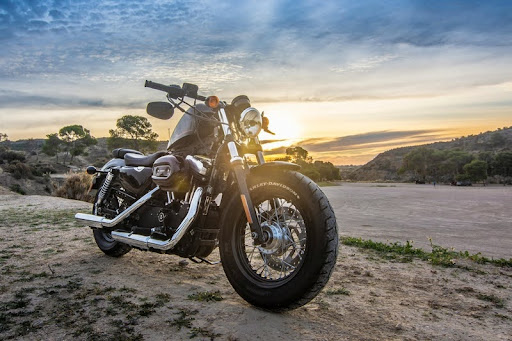
Classic cruiser looks with touring upgrades. Low seats, relaxed ergonomics, and often outfitted with saddlebags and windshields. These are great for relaxed riding and have a timeless U.S. highway vibe.
How do I match a motorcycle to my travel style?
Simple. Think about the kind of trip you’re planning.
- Sticking to the interstates? Go for a full-dress tourer.
- Hitting state parks or backroads? Adventure bikes might be more your speed.
Final thoughts: What should you prioritize in a touring motorcycle?
At the end of the day, your best touring motorcycle is the one that fits you. Your body. Your ride style. Your plans.
Don’t fall into the trap of chasing features you’ll never use or buying more bike that you can comfortably handle. Focus on the basics: comfort, dependability, and the ability to carry what you need. That’s what makes the miles melt away.
And remember, the best part of a cross-country trip isn’t the machine. It’s the ride.
So pick a bike that lets you enjoy the journey, and then get out there.
FAQs About Touring Motorcycles (Schema-Friendly Format)
What’s the best type of motorcycle for cross-country travel? Touring motorcycles with comfort features and high storage capacity are best for long-distance trips.
How do I stay comfortable on long motorcycle rides? Use a bike with ergonomic seating, wind protection, and cruise control. Take regular breaks and wear padded gear.
How much storage do I need for a cross-country ride? Aim for enough space to carry clothes, tools, first-aid, and travel gear. Saddlebags and top cases help a lot.
Do I need GPS or navigation on my motorcycle? It’s not required, but having a built-in GPS or a smartphone mount with a charger is extremely helpful for route planning.
What’s the ideal fuel range for a touring motorcycle? A range of 200+ miles per tank is ideal to avoid constant fuel stops on long routes.
About the Author