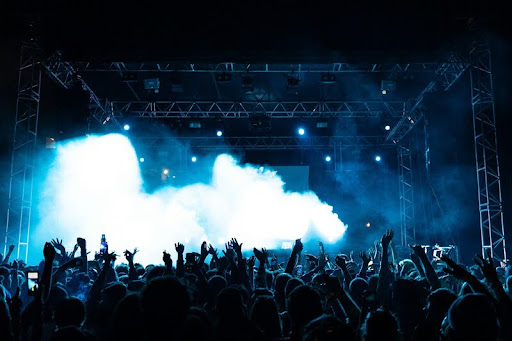
Thousands gather under the open sky for an unforgettable music festival experience
There’s something magical about standing in a crowd, music pulsing through the air, everyone singing along to the same beat. Music festivals in the U.S. have become more than just weekend events; they’re full-on experiences. Whether you’re all about dance beats or acoustic sets, there’s a massive festival out there waiting for you.
But how do you know which one to go to? What’s the best way to attend without blowing your budget or losing your mind in the crowd? Let’s break it all down, from what makes a festival “big” to how to plan like a pro.
What qualifies as one of the biggest music festivals in the U.S.?
When people talk about the “biggest” music festivals, they’re not just counting ticket sales. Size definitely matters, but there’s more to it.
Big festivals usually:
- Draw huge crowds (think tens of thousands per day)
- Span multiple days, sometimes even a whole week
- Feature dozens, if not hundreds, of artists across multiple stages
- Get national or global media attention
Some festivals have grown into cultural landmarks. You’ll see influencers, celebs, and folks flying in from all over just to be part of the scene. Big festivals tend to become annual traditions, gaining a loyal fan base and selling out fast.
What types of music festivals are there in the U.S.?
It’s not just about size, vibe, and music style matter just as much. Here’s how U.S. music festivals typically break down:
By Genre
You’ll find festivals focused on:
- EDM (electronic dance music)
- Rock and alternative
- Hip-hop and R&B
- Country
- Indie and folk
- Jazz, blues, or fusion
Some events mix genres, which can be great if your Spotify playlist jumps from Drake to Fleetwood Mac.
By Setting
U.S. festivals pop up in all kinds of places:
- Big-city parks or stadiums
- Open fields in rural areas
- Beaches, deserts, or mountain resorts
The setting plays a big role in the festival’s energy. Urban fests can feel fast-paced and wild, while rural ones might be more relaxed and scenic.
By Vibe
Do you want an all-night rave or a laid-back picnic with live sets? Some fests are family-friendly; others are more adult and party-focused. Some are known for art installations, wellness corners, or even full-blown immersive experiences.
How do I choose the right music festival to attend?
Great question, and super important. The “best” festival isn’t the one that sells out fastest or has the biggest headliner. It’s the one that fits your personal vibe.
- Am I okay with camping, or do I want hotel comfort?
- Do I want to dance all night or chill in the grass with food and tunes?
Consider Your Budget
Music festivals can be pricey. Passes alone can range from $100 for a single day to $ 1,000+ for full VIP access. Then you’ve got travel, food, merch, and maybe even camping gear.
Plan ahead and stick to a spending limit. Many festivals offer payment plans, which can be a game-changer.
Think About Timing
Most major festivals happen in spring and summer, but some run through fall. If you’re still in school or have limited PTO, check those dates early. Some sell out in hours, especially if they drop big names in the lineup.
What’s the best way to get tickets to a major music festival?
The golden rule? Buy early. Most festivals release tickets in tiers:
- Early bird: Cheapest prices, but limited quantity
- General admission (GA): Standard access, priced based on demand
- VIP or special access: Extra perks like private bathrooms, shaded lounges, express entry, etc.
Sign up for email alerts from your favorite festivals so you’re first to know when passes go live.
Watch out for resale scams; only buy from verified ticketing platforms. And avoid third-party sellers unless the festival officially supports them.
How should I plan travel and accommodation for a U.S. music festival?
Once you lock in your ticket, start planning how you’re getting there and where you’ll stay. The earlier, the better; hotels fill up fast.
Getting There
- If you’re flying, book your flights at least 6–8 weeks in advance.
- Road-tripping? Budget for gas, snacks, and tolls.
- Some festivals offer shuttle services from nearby cities, worth checking!
Where to Stay
You’ve got options:
- Hotels or Airbnbs: More comfort, more $$$
- Camping: Budget-friendly and immersive, but definitely not for everyone
- RV rentals: Great for groups, but spots may be limited
If you’re camping, research what’s included. Some sites are basic (BYO everything), while others offer glamping with pre-set tents, showers, and even Wi-Fi.
What should I pack for a multi-day music festival?
Packing smart can make or break your experience. Here’s a short checklist of must-haves:
- Weather-appropriate clothes (layers are your friend)
- Comfortable shoes (you’ll be walking… a lot)
- Reusable water bottle or hydration pack
- Sunscreen and sunglasses
- Phone charger or power bank
- Light snacks
- Small backpack or crossbody bag
- Rain poncho (trust us)
Ask yourself:
- What kind of music do I love the most?
- Portable fan (summer fests get hot)
If you’re camping, add in your tent, sleeping bag, toiletries, and camping stove or cooler.
And don’t forget ID and your ticket, yes, it happens!
What’s it really like inside a major U.S. music festival?
Let’s be real, it can be thrilling and overwhelming all at once. Here’s what to expect and how to stay on top of it.
Getting In
Be ready for bag checks, long entry lines, and heat. Many festivals now have apps with maps, set times, and real-time updates. Download it ahead of time.
During the Day
The key is pacing. You can’t catch every set, and that’s okay. Highlight your must-see acts and leave time to explore, eat, and just vibe.
Stay hydrated, wear sunscreen, and keep your phone charged in case you get separated from your group. Set a meeting point in case texts don’t go through.
At Night
Nighttime usually brings the biggest headliners, light shows, and energy peaks. Know your limits. It’s okay to leave early or find a quiet corner to chill. Festivals aren’t about FOMO, they’re about fun.
How do I recover after a music festival?
Let’s not sugarcoat it, festival recovery is real.
Post-Festival Tips:
- Hydrate like it’s your job
- Get some real sleep (hotel beds never felt so good)
- Eat something green
- Give your ears a break from loud music
- Back up your photos and videos
- Reflect on what you loved, and what you’d do differently next time
What’s the best way to make the most of your first festival?
If this is your first big music festival, here are some tips to keep it smooth and memorable:
- Go with a group, if possible. It’s safer and more fun to share the experience.
- Don’t overschedule. Be flexible, some of the best memories are unplanned.
- Take breaks. Find shade, rest your feet, and enjoy the food scene.
- Be present. It’s tempting to film everything, but sometimes it’s better to just soak it in.
- Respect the space and people around you. Festivals are about community.
And above all? Have fun.
FAQ: Music Festivals in the U.S.
What is the biggest music festival in the U.S.? While many festivals attract massive crowds, “biggest” can vary by attendance, lineup, or location. Focus on the one that fits your vibe best.
When do U.S. music festivals usually happen? Most take place between March and September, with summer being peak season.
How much do music festivals cost? Tickets range from $100 to over $1,000, depending on how many days and the level of access. Don’t forget to factor in travel and accommodations.
Are music festivals safe to attend alone? Yes, but stay aware of your surroundings, keep your phone charged, and let someone know your plans.
Can I bring food and drinks to a music festival? Rules vary. Most allow sealed water bottles and small snacks, but check the festival’s official guidelines.
Ready to hit your first (or next) festival?
Whether you’re a seasoned festival-goer or planning your very first one, now you’ve got the tools to do it right. From choosing the perfect event to packing smart and staying safe, you’re ready to jump into the music and make memories that’ll stick long after the final encore.
About the Author