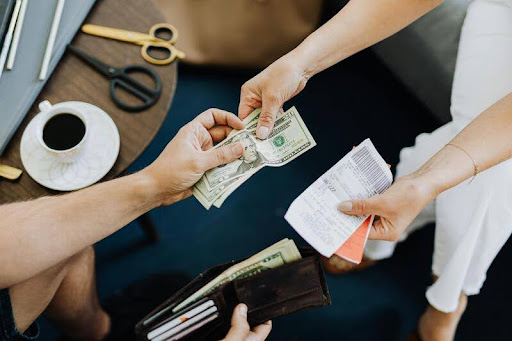
Thinking of paying off your loan early? Make sure you're giving your money to the right place at the right time.
So, you’ve got a loan, and you’re wondering if you can kick it to the curb before the end of its term. Maybe you’ve come into a bit of extra cash, or maybe you’re just tired of seeing that monthly payment hanging over your head. Either way, you’re not alone in asking: Can I pay off a loan early? And more importantly, should** I?**
Let’s break this down in plain English. We’ll walk through what it means to pay off a loan ahead of schedule, when it makes sense, when it doesn’t, and how to do it smartly if you decide to go for it.
Can you legally or contractually pay off a loan early?
Yes, in most cases, you can, but check the fine print first.
Most U.S. loans (like personal loans, car loans, and even some mortgages) allow early repayment. But, and this is a big “but”, some lenders charge a penalty if you pay off your loan too soon. That’s because early payoff means they earn less interest from you.
Before you send in a big payment, review your loan agreement. Look for terms like prepayment clause or prepayment penalty. If you don’t see them clearly stated, don’t be shy, call your lender and ask.
What is a prepayment penalty, and why do lenders charge it?
A prepayment penalty is a fee you might pay for settling your loan before its scheduled end.
Lenders include these fees to protect their profits. Think about it: interest is how they make money, and if you cut that short, they lose out. So some charge a fee, either a flat amount, a percentage of the loan balance, or a few months’ worth of interest.
Quick example:
Let’s say your auto loan has a $15,000 balance, and your prepayment penalty is 2%. You could owe an extra $300 just to close the loan early.
Not all loans have this, but it’s common in:
- Private student loans
- Certain personal loans
- Some mortgages (especially older ones or subprime loans)
So again, read your loan agreement carefully or talk to your lender directly.
What are the benefits of paying off a loan early?
Paying early can save money and boost your financial freedom.
Here’s what’s great about getting rid of debt ahead of schedule:
- You’ll pay less in interest. Even shaving off a few months can save you hundreds or more over the life of a loan.
- No more monthly payments. That frees up your budget for other things, like savings, travel, or just breathing easier.
- Less debt = less stress. Mentally, it feels good to close the books on a loan.
- It can improve your debt-to-income ratio. That matters when applying for a mortgage or other big loans.
So yeah, early payoff can feel like a win. But that doesn’t mean it’s always the smartest financial move.
Are there downsides to paying off a loan early?
Yes, especially if you haven’t looked at the bigger picture.
Let’s get real for a second. Being debt-free sounds great, but paying off a loan early isn’t always the best move. Here’s why:
- Prepayment penalties might eat into your savings. If you’re saving $500 in interest but the penalty is $400, you’re not gaining much.
- You could hurt your credit mix. Part of your credit score is based on having different types of credit. Paying off your only installment loan might cause a small dip in your score.
- You lose liquidity. Paying off a $10,000 loan early might mean emptying your savings. And that could leave you vulnerable in a real emergency.
- The money might work harder elsewhere. For example, could that K grow more in a high-yield savings account, investment, or even go toward higher-interest debt?
It comes down to opportunity cost: what else could that money be doing for you?
When is it a smart move to pay off a loan early?
Early payoff makes sense when the math and your situation line up.
Here are some green flags:
- Your loan has no prepayment penalties.
- You’ve got a strong emergency fund (at least 3–6 months’ expenses).
- You’re not sacrificing contributions to retirement or other long-term goals.
- Your loan has a high interest rate and is costing you more than your other financial obligations.
- You’re not planning to take out new credit where closing the loan would affect your score negatively.
If that sounds like you, early payoff might be a solid win.
When might it be better not to pay early?
If paying off early would hurt your financial balance elsewhere, it might not be worth it.
Here are some red flags to look out for:
- You’d have to drain your savings to do it.
- You’re on a 0% interest promo period, so you’re not paying interest anyway.
- Your loan has a high prepayment penalty.
- You’re nearing the end of the loan term, in which case most of your interest has already been paid, and you’re mainly paying down principal now.
- You have higher-interest debts (like credit cards) that should take priority.
This isn’t just about emotion, it’s about doing what’s smartest for your long-term financial health.
What’s the best way to pay off a loan early?
There’s more than one way to do it, and some are smarter than others.
You don’t have to pay off the whole thing in one lump sum. Here are a few strategies that help chip away faster:
1. Make extra payments toward principal
Tell your lender the extra goes to the principal, not future interest. That’ll save you more over time.
2. Round up your monthly payments
If your monthly bill is $376, round it up to $400. That extra $24 adds up over months or years.
3. Make biweekly payments
Split your monthly payment in half and pay every two weeks. You’ll make 13 payments instead of 12 each year, sneaky but effective.
4. Refinance if your loan terms aren’t flexible
This might lower your interest rate or give you better terms for early payoff.
Just be sure any strategy you pick aligns with your lender’s policies. And always check if there are fees involved in sending extra payments.
How do you decide if early repayment is the right move?
Ask yourself a few key questions:
- Does your loan have prepayment penalties?
- How much will you save in interest?
- Will you still have enough cash left over for emergencies?
- Do you have higher-interest debts that need attention first?
- Could the money be better invested elsewhere?
Taking the time to run the numbers and considering your personal goals can save you from making a feel-good move that isn’t financially wise.
Quick FAQ: Loan Payoff Questions People Ask
Here are some common questions folks have when thinking about early loan repayment:
Can you pay off a personal loan early without penalty?
Sometimes, yes. Many lenders don’t charge penalties, but read the loan agreement or ask your lender to be sure.
Will paying off a loan early hurt my credit score?
It might cause a slight dip if it reduces your credit mix, but generally, it’s not a big deal, and your debt-free status can improve your profile long term.
Is it better to pay off debt or invest?
It depends. If your debt interest is higher than expected investment returns, pay off debt first. If the debt has low interest, investing might yield more over time.
Does paying off a loan early save money?
Yes, if there are no penalties, you’ll pay less in interest by cutting the loan short.
Final Thoughts: So, Should You Pay Off a Loan Early?
Here’s the bottom line: you usually can pay off a loan early, but whether you should depends on your financial situation, your loan terms, and your goals.
Paying off debt early can feel like a huge weight off your shoulders, and in many cases, it saves you money. But don’t rush it if it means sacrificing your emergency fund, racking up other debt, or missing better financial opportunities.
About the Author




