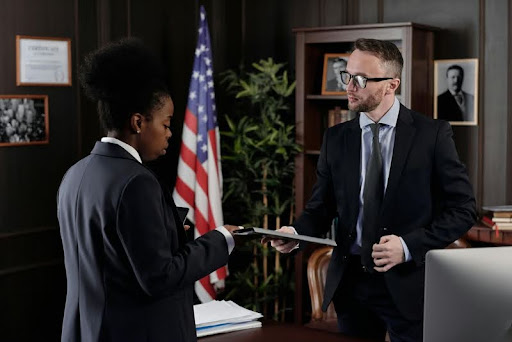
Teamwork in action: Trainees dive into hands-on learning from day one.
Operating a business in the United States involves numerous responsibilities, with compliance with labor regulations being among the most significant. Sounds tedious? Perhaps. However, keeping abreast of these regulations is essential for avoiding legal issues and fostering a well-functioning workplace. Whether you’re bringing on your first employee or managing a larger team, this handbook will guide you through the fundamentals of U.S. labor laws in a straightforward, clear, and genuinely helpful manner.
What Are U.S. Labor Laws and Why Are They Important for Employers?
U.S. labor laws consist of regulations that dictate the relationship between employers and employees. These laws encompass matters such as wages, working hours, discrimination, safety, and employee rights. They are designed to safeguard workers but also provide employers with a framework and direction.
So, why does it matter? Because ignorance of the laws will not shield you from penalties or lawsuits. Being knowledgeable about labor laws aids in preventing expensive errors and ensures your business operates legally and ethically.
What Sets Federal and State Labor Laws Apart?
Federal labor laws are applicable to all employers in the United States, regardless of location. However, each state can enact its labor laws, and many do so. When there’s a conflict between federal and state regulations, the rule that offers greater protection to the worker is generally the one that prevails.
For instance, if your state sets a minimum wage that is higher than the federal standard, you are required to pay the higher amount. It’s as straightforward as that.
Which Agencies Are Responsible for Enforcing Labor Laws in the U.S.?
Numerous federal agencies oversee various components of labor law:
Department of Labor (DOL): Manages wage regulations, leave policies, and general employment standards.
Equal Employment Opportunity Commission (EEOC): Addresses issues related to workplace discrimination and harassment.
Occupational Safety and Health Administration (OSHA): Concentrates on health and safety in the workplace.
Many states also have their own equivalents of these agencies. As an employer, it’s prudent to understand who regulates what, so you know where to seek assistance if questions arise.
How Can You Properly Classify Employees?
Incorrectly classifying workers is one of the most frequent (and expensive) errors that employers commit.
There are two primary distinctions you need to grasp:
Employees vs. independent contractors: Employees work under your direction and control, while contractors are self-employed and provide services to various clients.
Exempt vs. non-exempt employees: This pertains to eligibility for overtime pay. Exempt employees (such as specific salaried professionals) do not qualify for overtime pay.
Non-exempt employees are.
Misclassifying someone can lead to penalties, back pay, and even lawsuits. When in doubt, check the IRS guidelines or consult legal counsel.
What Are the Key Wage and Hour Laws Employers Must Follow?
Wage and hour laws are some of the most heavily enforced regulations out there. Here are the basics:
- Minimum wage: The federal minimum wage is .25/hour, but many states and cities require more.
- Overtime: Non-exempt employees must be paid time-and-a-half for hours over 40 in a workweek.
- Breaks and meal periods: Not required under federal law, but many states have their own rules.
- Recordkeeping: Employers must keep accurate records of hours worked and wages paid.
Tip: Use a reliable time-tracking system. It protects you and your team.
What Are Your Responsibilities for Workplace Safety?
Every worker deserves a safe environment. Under OSHA, employers must:
- Provide a hazard-free workplace
- Train employees on safety procedures
- Maintain equipment and report serious injuries
This isn’t just about avoiding fines. Creating a safe workspace boosts morale, cuts down on injuries, and keeps productivity up.
What Counts as Discrimination or Harassment in the Workplace?
It’s illegal to discriminate based on race, color, religion, sex (including pregnancy, sexual orientation, and gender identity), national origin, age (40+), disability, or genetic information. That’s a long list, but it matters.
Harassment is any unwanted conduct based on one of those protected traits. As an employer, you’re responsible for:
- Preventing and addressing harassment
- Investigating complaints
- Taking action when needed
Having a clear anti-discrimination policy and training staff goes a long way.
What Should Employers Know About Family and Medical Leave?
The Family and Medical Leave Act (FMLA) gives eligible employees up to 12 weeks of unpaid, job-protected leave for:
- A serious health condition
- Caring for a family member
- Birth or adoption of a child
To qualify, employees must have worked at least 12 months and 1,250 hours at a company with 50+ employees. Employers must:
- Provide written notice of FMLA rights
- Keep health benefits during leave
- Reinstate the employee after leave
What Are Employee Rights Under U.S. Labor Laws?
Employees have the right to:
- Organize or join a union
- Bargain collectively
- Report unsafe conditions or violations (whistleblower protection)
- Be free from retaliation for asserting their rights
Even if your workplace isn’t unionized, you can’t stop employees from talking about wages or working conditions.
Knowing where the line is protects you from accidental violations.
How Should Employers Handle Hiring and Firing Legally?
You can’t just go with your gut. U.S. labor laws guide how to hire and fire fairly:
- Hiring: Avoid questions or practices that could be discriminatory. Stick to job-related criteria.
- Firing: Document performance issues and follow internal procedures. Avoid anything that looks like retaliation or discrimination.
Having a solid employee handbook helps here. Lay out your policies and stick to them.
What’s the Best Way to Stay Compliant with Labor Laws?
Let’s be honest: Labor laws change. What was fine five years ago might get you in trouble today.
Here’s how to stay on top of things:
- Review your policies annually
- Offer training for HR and managers
- Follow updates from the DOL and EEOC
- Consult an employment lawyer when needed
Better safe than sorry, right?
Final Thoughts: Why Understanding Labor Laws Matters
Labor laws might not be the flashiest part of running a business, but they’re essential. Get them wrong, and the fallout can be serious. But get them right, and you’ll build a stronger, more stable, and more respected workplace.
Stay informed. Ask questions. Make compliance part of your culture.
FAQs About U.S. Labor Laws for Employers
Q: What’s the minimum wage in the U.S. in 2025? A: The federal minimum wage is still .25/hour, but many states and cities have set higher rates.
Q: Do I have to give employees breaks? A: Federal law doesn’t require breaks, but many state laws do. Check your state’s rules.
Q: Can I fire someone without a reason? A: Most states follow “at-will” employment, but firing can’t be discriminatory or retaliatory.
Q: What’s the difference between an exempt and non-exempt employee? A: Exempt employees aren’t eligible for overtime pay. Non-exempt employees are.
Q: Do small businesses have to follow the FMLA? A: Only businesses with 50 or more employees are covered by the FMLA.
About the Author