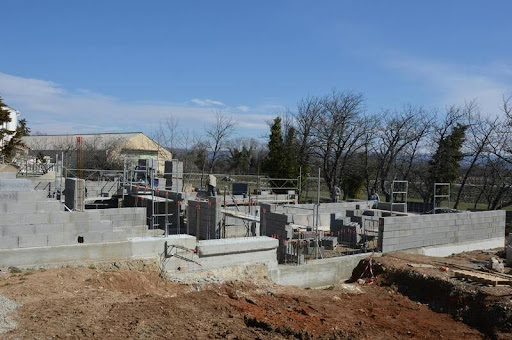
Stillness between progress and potential—a moment that defines how time shapes every construction project.
Let’s face it, construction delays happen. Whether you’re building a new home, remodeling an office, or managing a large development project, few things feel more frustrating than watching your timeline slip further and further away.
But here’s the good news: most delays aren’t random. They’re predictable. And when you understand why they happen, you can actually do something about them.
So, what really causes construction projects to go over time? And how can you stop it before it drains your budget, or your patience? Let’s unpack the truth behind those missed deadlines and explore practical ways to stay on track.
What Exactly Is a Construction Delay?
A construction delay is any situation that pushes a project beyond its planned completion date. It sounds simple, but not all delays are created equal. Some are unavoidable, like a week of unexpected storms, while others stem from poor planning or miscommunication.
Professionals typically break delays into a few categories:
- Excusable delays: Things outside your control, like severe weather or permit issues.
- Non-excusable delays: Problems caused by the contractor, such as poor management or resource shortages.
- Compensable delays: When one party is responsible and the other deserves extra time or payment.
Understanding which kind of delay you’re dealing with isn’t just paperwork; it determines how you handle costs, contracts, and accountability.
Why Do Construction Projects Go Over Time?
If you’ve ever asked yourself, “Why is my construction project taking so long?”, you’re not alone. According to a recent industry study by the Associated General Contractors of America, over 70% of U.S. construction projects experience schedule delays. That’s a big number.
Let’s look at the most common reasons projects fall behind, and what you can do about each one.
1. Poor Planning and Scheduling
Every successful project starts with a solid plan. When that plan is rushed or overly optimistic, delays are almost guaranteed.
Missing details, unrealistic timelines, or failure to anticipate potential hiccups (like supply chain slowdowns) can throw off even the best teams. Without a detailed schedule that includes contingencies, one small issue can snowball into weeks of lost time.
How to fix it: Start with a detailed project roadmap. Break the project into milestones and assign clear responsibilities. Use scheduling software like Procore, Buildertrend, or Monday.com to keep everything transparent and trackable.
2. Design Changes and Scope Creep
Ever heard the phrase “just one more change”? It’s a classic delay trigger. When clients tweak designs mid-project, whether it’s changing finishes or altering layouts, it disrupts everything from material orders to labor schedules.
Even small changes can add up fast, especially if approvals or redesigns take time.
How to fix it: Finalize your design and scope before construction begins. If changes are necessary, use a change order system to track them formally and update the schedule immediately.
3. Labor Shortages
Skilled labor has been a recurring issue in the U.S. construction industry. The National Association of Home Builders reported that nearly 60% of builders face labor shortages, especially in framing, plumbing, and electrical work.
When there aren’t enough qualified workers on-site, everything slows down. Simple as that.
How to fix it: Plan with realistic staffing levels. Work with reliable subcontractors and maintain a backup list of qualified professionals. Training and retention also go a long way; keeping skilled workers happy means they’ll be there when you need them.
4. Material Availability and Supply Chain Issues
The pandemic exposed just how fragile global supply chains can be, and while things have improved, material delays still happen. Late deliveries, shipping backlogs, or price spikes in items like lumber and steel can all cause costly pauses.
How to fix it: Order materials as early as possible and confirm delivery timelines in writing. Build relationships with multiple suppliers so you’re not stuck waiting on one vendor.
5. Weather and Environmental Factors
Mother Nature doesn’t follow project schedules. Extreme heat, heavy rain, or snow can grind construction to a halt, especially for outdoor projects.
While the weather is one of the few truly uncontrollable factors, it doesn’t have to wreck your timeline.
How to fix it: Include weather contingencies in your schedule. Track forecasts closely and plan weather-sensitive tasks for favorable seasons when possible.
6. Permit and Regulatory Delays
Anyone who’s built in the U.S. knows how long permitting can take. Whether it’s zoning reviews, environmental assessments, or safety inspections, red tape can stretch timelines by weeks or even months.
How to fix it: Start the permitting process early, ideally before construction begins.
Know your local building codes and maintain open communication with municipal offices. The earlier you spot a potential holdup, the easier it is to work around it.
7. Communication Breakdowns
It only takes one missed email or misunderstanding to create a chain reaction of delays. When contractors, designers, suppliers, and clients aren’t aligned, mistakes and rework follow.
How to fix it: Establish one primary communication channel. Regular project updates, progress meetings, and digital collaboration tools keep everyone on the same page and reduce confusion.
8. Budget Overruns
Money issues can stop a project cold. When funding falls short or costs rise unexpectedly, progress slows or stops entirely.
How to fix it: Set a realistic budget with a contingency fund, around 10% to 15%, to cover unexpected expenses. Keep a close track of spending throughout the project so financial surprises don’t derail progress.
What Are the Hidden Costs of Construction Delays?
Delays don’t just cost time; they cost money, trust, and peace of mind.
- Financial strain: Every extra day on-site means higher labor and equipment costs.
- Contractual penalties: Many contracts include liquidated damages for late completion.
- Reputation damage: Frequent delays can hurt a contractor’s credibility.
- Stress and burnout: Constant rescheduling takes a toll on everyone involved.
The longer a project drags on, the more these invisible costs pile up. That’s why prevention isn’t just smart, it’s essential.
How to Prevent Construction Delays Before They Start
Here’s where things get proactive. The best way to handle a delay is to stop it before it happens.
1. Plan Thoroughly
Start strong with a detailed timeline that includes every stage, from design approvals to final inspections. Build in time for risks and “what-ifs.”
2. Use Project Management Software
Digital tools aren’t just for big firms. They help track milestones, flag potential issues, and make updates instantly visible to the whole team.
3. Prioritize Communication
Hold regular check-ins with stakeholders. The more connected your team is, the less likely small issues are to go unnoticed.
4. Secure Permits Early
Get a head start on paperwork and follow up often. Waiting until the last minute to handle permits is a recipe for delays.
5. Build Flexibility into Schedules
Even with perfect planning, something unexpected will happen.
Make sure to leave some room in your timeline to process any impacts without disrupting the entire project.
6. Regularly Track Progress
Don’t postpone evaluations until the end of a phase. Frequent updates and on-site assessments ensure the work remains on track with the schedule.
7. Resolve Issues Promptly
The quicker you tackle a problem, the less it escalates. When delays happen, revise the timelines and communicate any changes clearly.
Why Teamwork and Responsibility Are Essential
A successful project relies heavily on collaboration. When everyone understands their responsibilities and is accountable, projects progress more efficiently.
Establish clear responsibility at all levels. Who is in charge of approvals? Who will relay changes to the schedule? When these roles are well-defined, there is less confusion and blame when challenges arise.
Effective communication not only prevents errors but also fosters trust. In the construction industry, trust is vital for maintaining project momentum.
What to Do When Delays Are Inevitable
At times, despite thorough planning, delays may occur. It could be due to a delay in essential materials or adverse weather conditions. Such situations are part of the process.
In these cases, the best approach is to be transparent. Notify your client or team immediately, clarify the reason, and provide a revised completion date. Document all changes to safeguard everyone involved.
Being proactive and honest transforms a challenging situation into a manageable one and helps preserve professional relationships, even during stressful times.
Final Thoughts: Timeliness Is About Strategy, Not Chance
Although construction delays are often unavoidable, they don’t have to be. With effective planning, clear communication, and a degree of adaptability, you can keep your project on track, even when obstacles arise.
Consider it this way: adhering to the schedule transcends mere deadlines; it embodies leadership, collaboration, and foresight. When every aspect of a project functions cohesively, time becomes an ally rather than an adversary.
Frequently Asked Questions (FAQ)
Q1: What is the primary reason for construction delays? The leading cause of late projects is inadequate planning and scheduling. Incorrect timelines and missed details create a chain reaction throughout the construction process.
Q2: How can contractors mitigate weather-related delays? Incorporate buffer days in the schedule, monitor forecasts, and schedule outdoor tasks during optimal seasons.
Q3: What tools assist in managing construction schedules? Common choices include Procore, Buildertrend, and Monday.com, which provide real-time monitoring and features for team collaboration.
Q4: Are construction delays sometimes inevitable? Indeed. Factors like weather, regulatory delays, and unexpected site conditions can lead to unavoidable setbacks, but effective communication can reduce their effects.
Q5: What amount of contingency time should be added to a construction schedule? Typically, including a buffer of 10–15% in your project timeline helps address unforeseen issues without causing significant disruptions.
About the Author




