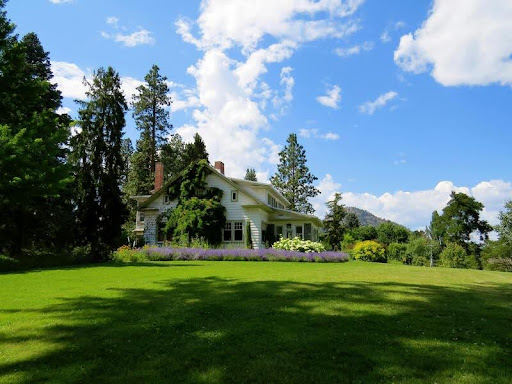
Where modern luxury meets nature: a serene home perfectly framed by lush landscapes and minimalist design.
Introduction
You know that moment when someone pulls up to your house and your exterior says something, maybe “welcome,” maybe “well‑kept,” or maybe “meh”? That moment is all about curb appeal. And here’s the thing: curb appeal in 2025 isn’t just about a fresh coat of paint on the front door or a perfect green lawn. We’re in the era of Curb Appeal 2.0, where landscaping and exterior design merge with sustainability, tech, and personal style to reshape those first impressions in fresh ways. So, how can your home’s exterior really deliver the “wow” without going overboard? Let’s dive in.
Why is curb appeal evolving?
It’s simple: homeowners and buyers today expect more than just a tidy front yard. They expect a space that’s functional, sustainable, and reflects who you are. Older expectations, clip the grass, trim the hedges, maybe plant some flowers, still hold, but now we’re layering in things like eco‑friendly choices, outdoor living, smart lighting, and materials that make sense for both style and climate. The bottom line: your home’s exterior can work harder for you. It doesn’t just greet people, it communicates value, personality, and care.
What landscaping trends are redefining first impressions?
Here are some of the biggest shifts happening right now beneath the shrubs and trees.
Sustainable & low‑maintenance landscaping: what does that mean?
Answer: It means less lawn‑mowing, fewer gallons of water, and more native or drought-tolerant plants. In the U.S., the landscaping services industry is valued at about 4 billion in 2025. (Workyard) More importantly, industry commentary says “sustainable landscaping is gaining significant momentum.” (YourAspireSoftware) That adds up to you thinking: why keep a lush green carpet if it takes tons of water, chemicals, and hours of effort? In many places, especially dry or warm states, homeowners are shifting toward designs that look good but work smarter.
Layered and textured planting designs: how do you do that?
Answer: Mix plant heights, mix colors and textures, create visual depth without chaos. Rather than a flat sea of lawn + shrubs, imagine: a low‑groundcover, a mid‑shrub or ornamental grass, and a taller accent plant or small tree. Throw in a pathway or some lighting for contrast. It gives the eye something to eat. And when you mix textures, smooth leaves, spiky grasses, and rounded blooms, you get richness without needing a ton of upkeep.
Outdoor living spaces: why are they important for first impressions?
Answer: Because the front (and side) yard isn’t just a view, it can be an extension of your everyday life. More homeowners are turning yards into usable spaces: seating areas, fire pits, cozy corners. In fact, a recent survey found that 41% of homeowners plan to create backyard sanctuaries, while 38% are adding fire pits/heating elements. (New York Post) Although that stat is from “backyard” focus, the principle applies to the front too: when a front‑yard or side‑yard design invites you in (even visually), it strengthens that first impression.
Smart and functional landscaping: what to consider?
Answer: Lighting, pathways, irrigation, all designed for form + function. Smart lighting can turn dusk into a mood moment. Motion‑sensing lights and warm LEDs are both safe and stylish. Pathways guide the eye (and footsteps). Smart irrigation systems that adjust for weather and run efficiently are part of the savings and sustainability story. Putting it all together: Your yard doesn’t just look good, it works for you.
What exterior design trends are making a statement?
Inside out. Let’s flip your attention to the house itself and how the exterior finishes, materials, and technology are raising the bar.
Modern facades and material choices: what are people doing?
Answer: The era of one‑material, one‑style homes is fading. Homeowners are blending wood, stone, metal, recycled composites, bold accents, and neutral bases. For example: natural wood siding or accents + metal trim or panels + large windows = contemporary but warm. Or: dark charcoal siding with crisp white trim and a bold door color = edgy but clean. The key is that materials and finishes are chosen with both style and durability in mind.
Architectural features that pop: how can you make yours stand out?
Answer: It might be the front door, the windows, the roofline, the shutters, or even the proportions. A unique front door (color or material) can become a focal point. Oversized windows or a “floating” porch cover can add drama. Minimalist rooflines or interesting eaves create angles that catch the eye. The idea: details matter. They tell someone, “This home is cared for and thoughtfully designed.”
Lighting and technology integration: why does it matter?
Answer: Because lighting doesn’t just illuminate, it dramatizes. And tech doesn’t just function, it elevates. Energy‑efficient LED lighting around pathways and façades can set a mood and improve safety. Smart exterior lighting tied to apps or sensors can adapt to time or motion. Tech also shows up in garage doors, home automation, exterior speakers, or security features, all of which subtly boost perceived value and “modern-ness.”
Why does first impression psychology matter?
Think about this: when you walk up to someone’s house, what do you notice first?
Is it the paint, the cleanliness, the landscape? Yes, but also the vibe. Does the home feel welcoming? Does it feel cared for? Does it feel like “someone lives here who pays attention”? Those feelings arrive quickly, sometimes within seconds. Research supports this: for example, professional landscaping and well‑maintained gardens are shown to boost property resale values by 10‑20%. (Raleigh Realty) So when you invest in curb appeal, you’re not just beautifying, you’re influencing perception. You’re saying: “I value this home.” That message counts, whether you plan to sell or simply enjoy your space.
How to plan your curb appeal upgrade?
Here’s where it gets practical. You’ve seen what’s trending. Now: how do you make smart choices that fit you and your property?
- Start with what you already have. Is your landscaping mostly traditional lawn and shrubs? Then maybe begin with one big change, swap part of the lawn for native plants or redefine a pathway.
- Align trends with your climate and region. If you’re in the American Southwest, water‑wise plants and xeriscaping make more sense than lush turf. If you’re in the Midwest, you might blend native pollinators with a usable seating zone.
- Balance bold choices with long‑term practicality. That front door is great, but will you repaint it often? That mix of materials is stylish, but will it age together? Choose materials and features that work for your maintenance comfort level.
- Think outside just the front yard. Curb appeal includes side yards, walkways, lighting, and how your home meets the street. A well‑lit path, a modest seating area visible from the curb, and clean outdoor lines all add up.
- Use SRP: style, resources, personality. Style = how it looks; Resources = what budget/time you have; Personality = your taste. Match all three.
- Invite interaction. Ask yourself: “If I were stopping at this home for the first time, what would I notice? What would catch me off guard (in a good way) or turn me off?” Then act on that.
Conclusion
So there you have it, Curb Appeal 2.0 in action. We’ve walked through landscaping trends (like sustainability and layered planting), exterior design shifts (material blends, modern details, tech integration), and why all of this matters for that all‑important first impression. If you’re thinking about upgrading your home’s exterior, start small. Pick one or two elements to update, keep your personal style in focus, and choose things that will age well. Because when your home says “hello” in just the right way? That’s when it makes an impact. Ready to re‑see your front yard? It may just be the part of your home that does the most talking.
FAQ
Q: What is the best way to improve curb appeal on a budget? A: Focus on lighting, front‑door paint (or color change), and trimming/defining your plant beds. These tweaks often deliver big visual impact for modest cost.
Q: How much should homeowners spend on landscaping upgrades for resale? A: While it varies, some reports show that homeowners spend thousands but can see returns of 10‑20% increase in perceived value through thoughtful landscaping. (Raleigh Realty)
Q: Are native plants really better for curb appeal? A: Yes, native or climate‑adapted plants often need less water and care, support local biodiversity, and align with current design trends. (Novatr)
Q: How do I choose exterior materials that will last and still look modern? A: Look for durable materials like fiber‑cement siding, metal accents, natural stone, or treated wood. Match them to your climate and maintenance level. Q: Does front‑yard landscaping actually impact home sale price? A: Yes, well‑done front‑yard landscaping can make a strong first impression, which influences buyer perception and can boost resale value. (Better Homes & Gardens)
About the Author




