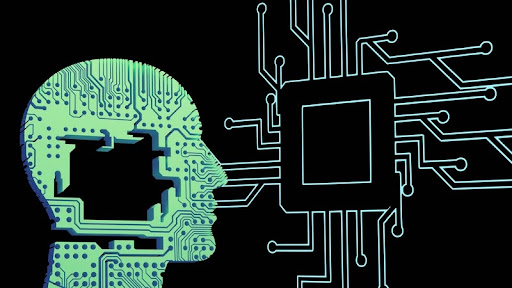
“Behind every click, there’s a line of code shaping what you see.”
We all know the internet is full of information, videos, updates, and recommendations. But have you ever stopped to wonder why you see certain things and not others? Why are your search results in a specific order? Or how your feed seems to “know” what you like?
The answer comes down to a single word: algorithms.
Let’s break it all down, no tech degree required.
What Is an Algorithm in Simple Terms?
An algorithm is a set of step-by-step instructions designed to solve a problem or complete a task. Think of it as a recipe for your computer or phone. You give it ingredients (data), and it follows a process to serve you the final dish (the output).
In the digital world, algorithms decide how to sort, rank, and display information. They don’t just work in the background; they actively shape what you see, hear, and interact with online.
What Are the Main Types of Algorithms You See Online?
When people search “types of algorithms,” they’re usually trying to understand what’s running behind the apps and websites they use every day. While there are many kinds, a few pop up most often in your digital life:
- Search algorithms – Decide which pages appear and in what order when you type something into a search bar.
- Recommendation algorithms – Suggest content you might like based on your past actions.
- Sorting and filtering algorithms – Organize items to easily find what fits your needs.
- Ranking algorithms – Assign priority to certain items or posts so they appear higher on a list.
These aren’t isolated systems. Often, they work together to make the online world feel “tailored” just for you.
How Do Algorithms Work Behind the Scenes?
Even though they can seem like magic, algorithms follow a clear process:
- Data collection – They gather information about your activity, preferences, and context.
- Processing – They apply a set of rules or patterns to that data.
- Output – They give you results, whether that’s a search list, a recommended video, or an article link.
- Feedback loop – Your new interactions feed more data back into the system, making the algorithm “smarter” over time.
The process is fast, lightning fast, but it’s still a sequence of steps, repeated millions of times a day.
Where Do You Encounter Algorithms Every Day?
The short answer: almost everywhere online.
Your search results? Algorithms. The order of posts in your feed? Algorithms. The suggested “you might also like” items?
Yep, algorithms again.
In the U.S., most people spend hours each day interacting with algorithm-driven systems without even realizing it. According to a 2024 Pew Research study, over 70% of adults say they feel technology “curates” their online experience, whether they want it to or not.
Why Do Algorithms Matter So Much?
Because they act like digital gatekeepers. They influence what information reaches you first, and sometimes what never reaches you at all.
They matter because:
- They personalize your online world.
- They save you time by showing what’s “most relevant.”
- They can subtly guide your decisions, what to read, buy, or even believe.
Understanding how they work isn’t just for tech professionals. It’s a way to become a smarter digital citizen.
What Are the Benefits of Algorithms?
When designed well, algorithms can make life easier and more enjoyable:
- Efficiency – They help you find what you need faster.
- Personalization – They tailor experiences to your interests.
- Organization – They manage huge amounts of information in a way that feels manageable.
Imagine searching through millions of web pages without an algorithm to rank them; you’d be lost in the noise.
What Are the Drawbacks of Algorithms?
For all their benefits, algorithms aren’t perfect. They can have some big downsides:
- Bias – If the data is biased, the results will be too.
- Filter bubbles – They can trap you in a loop of similar content, limiting perspective.
- Loss of control – You may not know why you’re seeing what you see.
The tricky part? Most algorithms are proprietary, meaning companies don’t always share how they work. That makes it hard to spot problems from the outside.
How Can You Better Understand and Navigate Algorithm-Driven Spaces?
You don’t have to be a programmer to take control of your online experience. Here’s how you can be more aware:
- Look for patterns – Notice what types of content are consistently shown to you.
- Mix things up – Search for topics outside your usual interests to broaden your feed.
- Adjust your settings – Many apps allow you to change recommendation preferences or opt out of personalization features.
Think of it as being an active driver in your digital life, not just a passenger.
The Bottom Line
Algorithms aren’t inherently good or bad; they’re tools. The impact they have on your life depends on how they’re designed and how you interact with them.
The more you understand them, the better you can navigate the digital landscape with intention.
So next time your feed seems to “read your mind,” remember, it’s not magic. It’s math.
FAQ, Algorithms, and Your Digital Life
Q1: What is the simplest definition of an algorithm? An algorithm is a set of step-by-step instructions that a computer follows to complete a task or solve a problem.
Q2: Why do algorithms matter in everyday life? They decide what information, posts, or products you see first, shaping your online experience.
Q3: Can I control the algorithms that affect me? You can’t fully control them, but you can adjust app settings, diversify your searches, and be mindful of your activity to influence results.
Q4: Are algorithms always accurate? No. They rely on data, and if the data is biased or incomplete, the results may be flawed.
Q5: Do all websites use algorithms? Almost all modern websites and apps use algorithms in some way, from search functions to recommendations.
About the Author