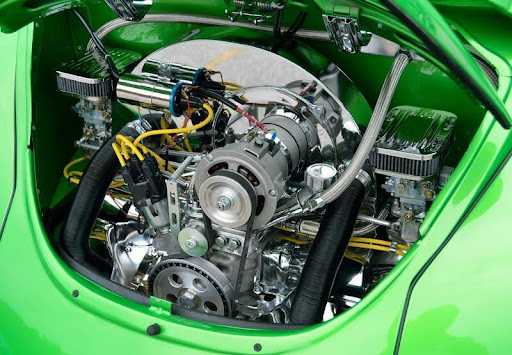
Taking car maintenance into his own hands, this experienced driver handles simple repairs with confidence
Have you ever wondered how much of your car’s upkeep you can handle on your own? Maybe you’re tired of spending time and money at the shop for simple fixes. The good news is, you can actually take care of quite a bit yourself, without needing to be a mechanic. But where do you start? And more importantly, what tasks are truly safe to do at home?
Let’s break it down, step by step, so you can confidently tackle your car’s basic maintenance and keep it running smoothly, all while knowing when it’s best to call in a pro.
Why Should You Consider DIY Car Maintenance?
First off, why even bother doing car maintenance yourself? For one, it saves money. Routine shop visits add up, and you don’t want to pay a mechanic for something simple like topping off your windshield fluid. Plus, learning how to care for your car builds confidence. Knowing what’s under the hood means you’re less likely to ignore a small issue that could turn into a costly repair down the road.
And finally, regular maintenance done on time can extend the life of your vehicle. According to the U.S. Department of Energy, proper maintenance can improve fuel efficiency by up to 10%, saving you even more in the long run.
How Do You Get Ready for DIY Car Maintenance?
Before you pop the hood, preparation is key. Safety should be your number one priority. Always work on a flat, stable surface; your driveway or garage floor is perfect. Use gloves to protect your hands and safety glasses to keep dirt or fluid out of your eyes.
Next, gather the right tools. You don’t need a full mechanic’s toolbox for basic tasks, but a few essentials will make your life easier: a jack and jack stands, a tire pressure gauge, screwdrivers, wrenches, and a funnel. And don’t forget to check your car’s owner’s manual. It’s your best friend for vehicle-specific instructions and maintenance schedules.
What Easy Maintenance Tasks Can You Safely Do Yourself?
You might be surprised at how many simple tasks you can manage on your own, no experience needed.
Checking and Topping Off Fluids
Is your engine oil low? What about coolant or windshield washer fluid? Checking and refilling fluids is a quick and safe job anyone can do. Just be sure to use the correct type for your car (your manual will tell you), and don’t overfill. For example, the engine oil should be between the “Min” and “Max” marks on the dipstick.
Changing Windshield Wiper Blades
Are your wipers streaking or leaving spots?
Swapping them out is straightforward. Most auto parts stores sell blades that fit your vehicle. It usually takes less than 10 minutes.
Inspecting and Inflating Tires
How often do you check your tire pressure? Keeping tires properly inflated not only improves gas mileage but also safety. Use a tire pressure gauge and inflate tires to the recommended psi listed on the driver’s door jamb.
Replacing Air Filters
A clogged air filter can hurt your engine’s performance. Changing it yourself is simple, usually just opening the airbox, removing the old filter, and popping in a new one.
Checking Battery Terminals
Corroded battery terminals can cause starting problems. Cleaning them with a wire brush and tightening the connections is a safe way to prevent issues.
What About More Advanced Tasks? Can You Change Oil or Brake Pads Yourself?
If you’re ready to step it up, some intermediate tasks are doable, but they require more care.
How to Change Engine Oil and Oil Filter Safely
Changing your oil can save a fair bit each year. You’ll need an oil catch pan, new oil, and a replacement filter. After warming up the engine (but not too hot!), you drain the old oil, swap the filter, and refill with fresh oil. It’s a bit messy, but doable with patience. Just remember to properly dispose of used oil; it’s illegal to pour it down the drain.
Can You Replace Brake Pads at Home?
Brake pads wear out and need replacing roughly every 30,000 to 70,000 miles, depending on your driving habits. While you can change them yourself, it involves lifting the car, removing wheels, and handling brake components. It’s crucial to follow detailed guides and take safety seriously here. If you’re unsure, this might be a good time to visit a professional.
What About Spark Plugs and Tire Rotation?
Replacing spark plugs isn’t complicated, but it requires the right tools to avoid damaging the plug or cylinder. Tire rotation is easier; just move your tires from front to back or diagonally based on your car’s drivetrain. Both help maintain smooth driving and prolong tire life.
Which Car Repairs Should You Avoid Doing Yourself?
Some repairs just aren’t worth the risk if you don’t have the training.
Why Avoid Engine or Transmission Repairs?
These are complicated systems with many interconnected parts. One wrong move could lead to expensive damage.
What About Electrical or Suspension Work?
Beyond basic battery care, electrical issues can be tricky and dangerous. Suspension repairs need special tools and knowledge to keep your ride safe and stable.
Air Conditioning Service?
Handling refrigerants requires certification and special equipment. Leave this to the pros.
When Is It Time to Call a Professional Mechanic?
You might be thinking, “Okay, but how do I know when it’s time to stop DIY and get help?” If you notice warning lights that stay on, strange noises, fluid leaks, or any repair that involves complex diagnostics, it’s best to consult an expert. Mechanics have the tools and know-how to fix issues properly and safely.
Wrapping It Up: What’s the Best Way to Keep Your Car Healthy?
DIY maintenance doesn’t have to be intimidating. By handling the easy stuff like fluid checks, wiper blade replacements, and tire care, you can keep your car running longer and save money. For intermediate jobs, do your homework and stay safe. And remember, no shame in calling a pro when things get complicated.
Ready to start your DIY car care journey? Grab your tools, your owner’s manual, and give it a go. Your car (and your wallet) will thank you.
FAQ: DIY Car Maintenance Questions Answered
Q: How often should I check my car fluids? A: Aim to check fluids like oil, coolant, and washer fluid at least once a month or before long trips.
Q: What’s the easiest car maintenance task for beginners? A: Changing windshield wiper blades or checking tire pressure are great starting points.
Q: Can I use any oil for my car? A: No. Always use the oil grade recommended in your owner’s manual.
Q: How do I dispose of used motor oil safely? A: Take it to a local recycling center or auto shop that accepts used oil.
Q: How often should I rotate my tires? A: Every 5,000 to 7,000 miles is generally recommended.
About the Author